Best Wireless Headphones in 2026
We may earn a commission from links on this page, at no extra cost to you. Learn more.
Wireless headphones have come a long way, and in 2026 the best models rival wired audio while adding the freedom of going cable-free. This roundup focuses entirely on Bluetooth over-ear and on-ear models, judged on sound, battery, comfort, and connectivity. We weighed everyday usability features like multipoint pairing and quick charging alongside raw audio quality. Whatever your budget, one of these seven cordless pairs deserves a place on your shortlist.
Quick comparison
| Keyboard | Best for | Rating | Price | |
|---|---|---|---|---|
| 1Sony WH-1000XM6Sony | Best Overall | 4.8 | $$$ | Check Price |
| 2Sennheiser Momentum 4Sennheiser | Best Battery Life | 4.6 | $$$ | Check Price |
| 3Bose QuietComfort Ultra (2nd Gen)Bose | Best Premium | 4.7 | $$$ | Check Price |
| 4Sony WH-1000XM5Sony | Best Value | 4.6 | $$$ | Check Price |
| 5Apple AirPods Max (USB-C)Apple | Best for Apple Users | 4.5 | $$$ | Check Price |
| 6JBL Tour One M3JBL | Best Sport and Travel | 4.5 | $$$ | Check Price |
| 7Sony WH-CH720NSony | Best Budget | 4.4 | $$$ | Check Price |
Our top 7 picks, reviewed
Sony WH-1000XM6
Sony's WH-1000XM6 is the best wireless pair you can buy in 2026. It nails the fundamentals with excellent sound, leading noise cancellation, and dependable Bluetooth, then adds a foldable design and strong call quality. For most people who want a cordless do-it-all pair, this is the one to get.
- Type
- Over-ear wireless
- ANC
- Yes
- Battery
- 30h
- Weight
- 254g
What we liked
- Best-in-class noise cancellation
- Refined natural sound
- Reliable multipoint pairing
- Foldable for travel
Worth noting
- Premium price tag
- Touch controls take practice
Sennheiser Momentum 4
If you hate charging, the Momentum 4 is your pair. Its 60-hour battery is the longest in the category by a wide margin, and the sound is rich and engaging with plenty of EQ flexibility. The design is plain and the ANC merely good, but for endurance and audio quality this Sennheiser is a standout.
- Type
- Over-ear wireless
- ANC
- Yes
- Battery
- 60h
- Weight
- 293g
What we liked
- Marathon 60-hour battery
- Detailed warm sound signature
- Highly customizable EQ app
- Comfortable for long wear
Worth noting
- Understated plain styling
- ANC not class-leading
Bose QuietComfort Ultra (2nd Gen)
Bose builds the most comfortable wireless headphones around, and the QuietComfort Ultra pairs that with excellent noise cancelling and a convincing spatial audio mode. Battery life is shorter than rivals, but few headphones feel this good over a full workday. It is the premium pick for comfort seekers.
- Type
- Over-ear wireless
- ANC
- Yes
- Battery
- 24h
- Weight
- 250g
What we liked
- Plush class-leading comfort
- Immersive spatial audio
- Powerful adaptive ANC
- Premium build and finish
Worth noting
- Battery trails competitors
- Spatial mode shortens runtime
Sony WH-1000XM5
With the XM6 now on shelves, the XM5 has become an outstanding value buy. It still delivers superb sound, strong noise cancellation, and one of the best microphones in any wireless headphone. For shoppers who want flagship-level wireless without flagship pricing, the XM5 is the smart choice.
- Type
- Over-ear wireless
- ANC
- Yes
- Battery
- 30h
- Weight
- 250g
What we liked
- Near-flagship performance
- Excellent ANC and calls
- Lightweight comfortable design
- Great app and codec support
Worth noting
- Does not fold flat
- Case is bulky
Apple AirPods Max (USB-C)
For people deep in the Apple ecosystem, the AirPods Max offer wireless convenience no rival can match. Automatic switching between iPhone, iPad, and Mac is seamless, and spatial audio shines with movies and supported tracks. They are heavy and the case is odd, but the integration is unmatched for Apple loyalists.
- Type
- Over-ear wireless
- ANC
- Yes
- Battery
- 20h
- Weight
- 385g
What we liked
- Effortless ecosystem switching
- Excellent spatial audio
- Premium aluminum build
- Strong adaptive transparency
Worth noting
- Heavy for long sessions
- Case offers little protection
JBL Tour One M3
JBL's Tour One M3 is a feature-packed travel companion with strong ANC, a long battery, and a lively, fun sound profile. Its app is among the most flexible for tuning, and the build feels solid for life on the road. If you want an exciting sound and lots of features at a fair price, it is well worth a look.
- Type
- Over-ear wireless
- ANC
- Yes
- Battery
- 40h
- Weight
- 278g
What we liked
- Long 40-hour battery
- Energetic punchy sound
- Effective adaptive ANC
- Robust feature-rich app
Worth noting
- Bass can overwhelm
- Bulkier than rivals
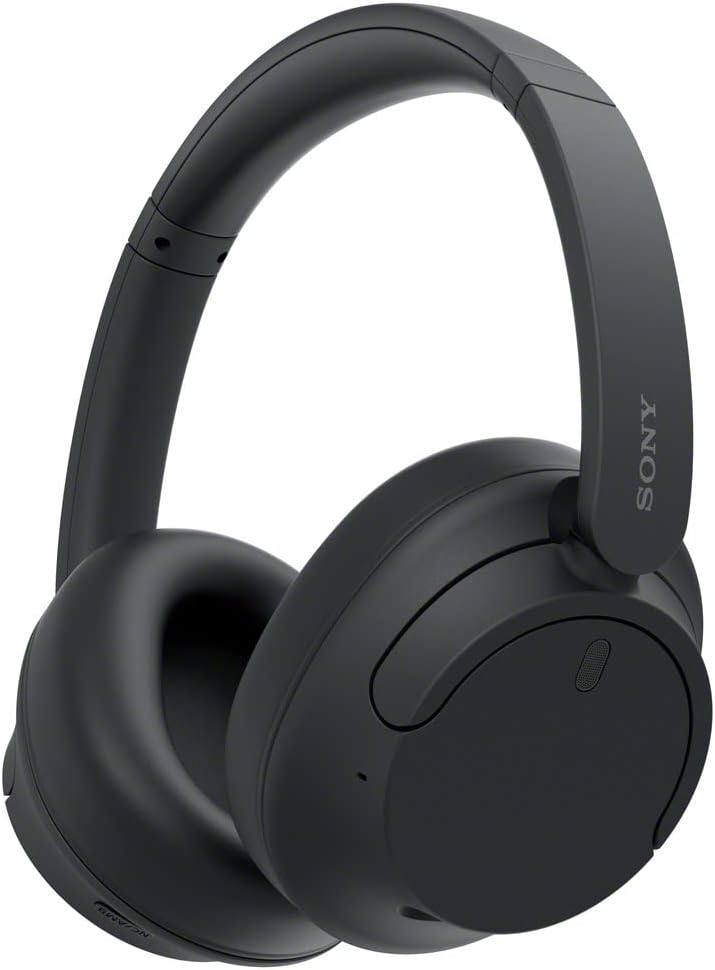
Sony WH-CH720N
The CH720N delivers a lot of wireless headphone for a budget price. It is impressively light, has usable noise cancellation, and gets Sony's app for EQ tweaks. The plastic build betrays its price point, but as an affordable everyday cordless pair it is genuinely hard to beat.
- Type
- Over-ear wireless
- ANC
- Yes
- Battery
- 35h
- Weight
- 192g
What we liked
- Very light and comfortable
- Decent ANC for the money
- Long 35-hour battery
- Sony app support
Worth noting
- Plastic feels inexpensive
- Bass lacks tightness
How to Choose the Best Wireless Headphones in 2026
Going wireless used to mean accepting worse sound in exchange for convenience. That trade-off is gone. In 2026, the best Bluetooth headphones deliver audio that satisfies all but the most demanding audiophiles, plus noise cancellation, smart features, and battery life that lasts for days of casual use. But the wireless category is also crowded and confusing, full of overlapping models and marketing buzzwords. This guide explains what actually matters when shopping for cordless headphones so you can find the right pair without overpaying.
We will start with the wireless-specific features that wired buyers never think about, then move through sound, comfort, and the practical details that make a pair pleasant to live with day after day.
Battery Life and Charging That Fit Your Routine
Battery life is the headline spec of any wireless headphone, but the right number depends on your habits rather than a simple bigger-is-better rule. Premium models typically range from twenty to forty hours per charge, while endurance champions stretch to sixty hours. If you listen a couple of hours a day and charge regularly, almost any modern pair will keep up. If you travel often, forget to charge, or want to go a full week between top-ups, prioritize the longer end of the range.
Two charging features matter as much as raw capacity. Quick charging gives you hours of playback from just minutes on the cable, which is invaluable when you realize the battery is dead right before leaving the house. Wired-mode playback lets some headphones keep working over a cable when the battery dies, while others go silent. If being cut off mid-flight is unacceptable, confirm the model still plays passively when drained.
Bluetooth Codecs and Connection Quality
The Bluetooth codec is the format your headphones use to receive audio, and it affects both quality and latency. The basic SBC codec works on everything but is the lowest quality. AAC is widely supported and sounds good, particularly on Apple devices. Higher-end codecs such as LDAC and aptX Adaptive carry more detail and reduce lag, but both your phone and your headphones must support the same codec for any benefit. Before chasing a premium codec, check that your phone supports it, since many do not.
Connection stability matters more than most spec sheets reveal. Dropouts and stutters are maddening, and they tend to appear in crowded places like trains and offices where wireless interference is high. Newer Bluetooth versions and quality antenna design improve stability, but real-world reviews are the best guide here. A pair that sounds perfect at home but stutters on your commute will quickly frustrate you.
Multipoint Pairing for Multiple Devices
Multipoint is one of the most useful features in modern wireless headphones, and it is easy to overlook. It lets your headphones stay connected to two devices simultaneously, such as a laptop and a phone, and switch between them automatically. When a call arrives on your phone while you are watching a video on your laptop, multipoint pauses the video and routes the call to your ears without any manual reconnecting.
If you live across multiple devices throughout the day, multipoint eliminates a constant small friction that you may not even realize is bothering you. Not all headphones implement it equally well, so look for reviews that confirm switching is fast and reliable. Some models also let you customize which two devices stay connected, which adds flexibility.
Noise Cancellation in Wireless Headphones
Active noise cancellation is far more common in wireless headphones than wired ones because the electronics are already there. ANC uses microphones and processing to cancel low-frequency noise like engine drone and HVAC hum, which makes it transformative for commuting and travel. The best systems work so smoothly you forget they are on, while weaker ones introduce a faint pressure sensation or audible hiss.
Pair ANC with a good transparency or ambient mode, which uses the same microphones to let outside sound through so you can hear announcements or hold a quick conversation without removing the headphones. Adaptive systems that adjust automatically to your surroundings are increasingly common and genuinely convenient. If you spend significant time in noisy environments, weight ANC quality heavily. If you mostly listen at home, you can save money by deprioritizing it.
Sound Quality and App-Based EQ
Wireless headphones are tuned just like wired ones, and the sound signature matters enormously. Some lean balanced and accurate, others boost bass for a fun, energetic feel, and others emphasize treble for crispness. There is no correct choice, only what suits your music and taste.
A major advantage of wireless headphones is the companion app most brands provide. These apps usually include an EQ that lets you reshape the sound to your preference, which means a pair tuned slightly wrong for you can often be corrected in software. Look for an app with a flexible multi-band EQ rather than a few fixed presets. Apps also handle firmware updates, ANC settings, and feature customization, so a well-designed one improves the whole ownership experience.
Comfort for All-Day Wireless Use
Because wireless headphones are often worn for long stretches without the tether of a cable, comfort is especially important. The same principles apply as with any over-ear: moderate clamping force, even weight distribution, and soft, deep earpads that surround the ear rather than pressing on it. Heavier models become noticeable after an hour or two, so if you plan long sessions, watch the weight figure closely.
Glasses wearers should prioritize softer earpads, since stiff cushions press the arms of frames into the head. Memory foam pads conform better and distribute pressure more evenly. If you can try a pair before buying, wear them for at least fifteen minutes, since pressure points often only appear after the initial novelty fades.
Microphone and Call Performance
One of the main reasons people choose wireless headphones is hands-free calling, yet microphone quality varies wildly and rarely tracks with music performance. A pair can sound superb for music and still make you sound muffled or distant on a call. The best models use multiple microphones with beamforming and noise suppression to isolate your voice in noisy environments.
If you take frequent calls or live on video meetings, treat microphone quality as a top priority and seek out reviews that test it specifically. Wind noise handling matters too if you take calls outdoors. Do not assume an expensive pair automatically has a good microphone, because many do not.
Controls and Smart Features
Wireless headphones use either physical buttons or touch-sensitive panels for controls. Buttons are tactile and reliable but can be fiddly to find by feel. Touch controls look clean but can misfire from accidental taps or in cold weather with gloves. Neither is objectively better, so consider which you would prefer to live with.
Many models add convenience features worth noting. Wear detection pauses music when you take the headphones off and resumes when you put them back on. Voice assistant integration lets you summon Siri, Google, or Alexa hands-free. Some include find-my-device tracking, which helps when you misplace them. These extras will not make or break a purchase, but they add polish to daily use.
Setting Your Wireless Budget
Wireless headphones span a wide price range, and value follows the usual curve of diminishing returns. Budget models under 100 dollars now offer genuinely capable sound, decent battery, and even basic noise cancellation. Mid-range models around 150 to 250 dollars add better ANC, longer battery, and stronger app features. Flagships at 350 dollars and up deliver the best noise cancelling, premium materials, and top-tier call quality.
Decide which features you truly need before spending up. If you do not travel, you may not need flagship ANC. If you rarely take calls, microphone quality matters less. Spending strategically on the features you will actually use beats buying the most expensive pair and ignoring half of what it offers.
Latency and Wireless Gaming or Video
One often-overlooked aspect of wireless headphones is latency, the small delay between the audio signal and what you hear. For music this delay is irrelevant, but for video and gaming it can cause audio to lag behind the picture, which is distracting and breaks immersion. Most modern Bluetooth headphones include some form of low-latency handling, and many video apps automatically compensate, so casual viewing is usually fine.
Gaming is more demanding. Competitive players who need precise audio cues are generally better served by wired connections or dedicated low-latency wireless dongles rather than standard Bluetooth, which simply was not designed for instant response. If you plan to game wirelessly, look for headphones that advertise a low-latency mode or a dedicated transmitter. For watching movies and shows, almost any current pair will keep audio and video in sync well enough to enjoy.
Firmware Updates and Long-Term Support
A wireless headphone is partly a software product, and the quality of its ongoing support matters more than people realize. Good manufacturers release firmware updates that fix bugs, improve connection stability, and sometimes add features long after purchase. A pair that launches with rough edges can become genuinely excellent over time if the maker keeps improving it.
When choosing a brand, consider its track record for support. Established companies tend to maintain their apps and push updates for years, while lesser-known brands may abandon a model shortly after release, leaving early bugs unfixed. Since you will likely keep a quality wireless pair for several years, buying from a brand that supports its products is a quiet but real advantage that protects your investment.
Caring for Wireless Headphones
Wireless headphones demand a little more care than wired ones because of their batteries. Lithium batteries degrade fastest when exposed to heat or left fully drained for long periods, so avoid leaving your headphones in a hot car and try not to store them completely empty. There is no need to fully drain them before charging, contrary to old advice about older battery chemistries.
Beyond the battery, the usual care applies: store them in their case to protect the hinges and earpads, wipe the pads occasionally to remove oils and sweat, and keep the charging port free of lint. Replacing worn earpads when they flatten refreshes both comfort and sound, and many popular wireless models have affordable replacement pads available. Treated well, a good wireless pair will serve you reliably for years before the battery noticeably fades.
Final Thoughts
The best wireless headphones marry the convenience of going cable-free with sound and comfort that no longer require compromise. Start by matching battery life and charging to your routine, then confirm the codec and connection quality suit your phone and environment. Prioritize multipoint if you juggle devices, weight ANC if you travel, and treat microphone quality seriously if you take calls. Add comfort and a flexible EQ app to the mix and you have the full picture. Get those fundamentals right and any pair on this list will reward you with years of untethered listening.
How we picked
We judged each wireless pair on sound quality, real-world battery life, comfort over long sessions, and the strength of features like multipoint and app EQ. We tested Bluetooth stability and codec support, plus microphone performance for calls. Rankings balance overall experience against price rather than rewarding specs in isolation.
Frequently asked questions
What are the best wireless headphones in 2026?
The Sony WH-1000XM6 is our top wireless pick for 2026 thanks to its blend of excellent sound, leading noise cancellation, and reliable Bluetooth. It handles music, calls, and travel better than any other cordless pair we tested.
How long do wireless headphones last on a charge?
Most premium wireless headphones deliver 24 to 40 hours per charge, while endurance models like the Sennheiser Momentum 4 reach 60 hours. Quick charging features can also give you several hours of playback from just a few minutes plugged in.
What is Bluetooth multipoint and do I need it?
Multipoint lets headphones stay connected to two devices at once and switch automatically, such as pausing music on your laptop to take a call on your phone. If you regularly use more than one device, multipoint removes a constant small annoyance and is well worth having.
Do wireless headphones sound as good as wired?
The best wireless headphones now sound excellent and satisfy the vast majority of listeners. Wired models still offer slightly better sound per dollar because no money goes toward batteries or Bluetooth, but the gap at the high end is small.
Which Bluetooth codec is best for sound quality?
Higher-quality codecs like LDAC and aptX Adaptive carry more audio detail than standard SBC, but both your headphones and your phone must support the same codec. Apple devices rely on AAC, which sounds good but tops out below the highest-resolution codecs.