Skip to content

Best Travel Headphones in 2026

4.5 average · hands-on tested
By Alexander DavidUpdated June 27, 20267 picks tested

We may earn a commission from links on this page, at no extra cost to you. Learn more.

Long flights, noisy trains, and crowded airports demand headphones that can silence the world and keep playing for hours. The best travel headphones in 2026 combine powerful active noise cancellation, all-day battery life, and a foldable design that fits in your carry-on. We spent weeks testing the top wireless over-ear and on-ear options across real journeys. Below are the seven models that earned their place in our bags.

Quick comparison

KeyboardBest forRatingPrice
1Sony WH-1000XM6SonyBest Overall4.7$$$Check Price
2Bose QuietComfort Ultra (2nd Gen)BoseBest Noise Cancelling4.6$$$Check Price
3Sennheiser Momentum 4 WirelessSennheiserBest Battery Life4.5$$$Check Price
4JBL Tour One M3JBLBest Premium Value4.4$$$Check Price
5Bose QuietComfort HeadphonesBoseBest Mid-Range4.5$$$Check Price
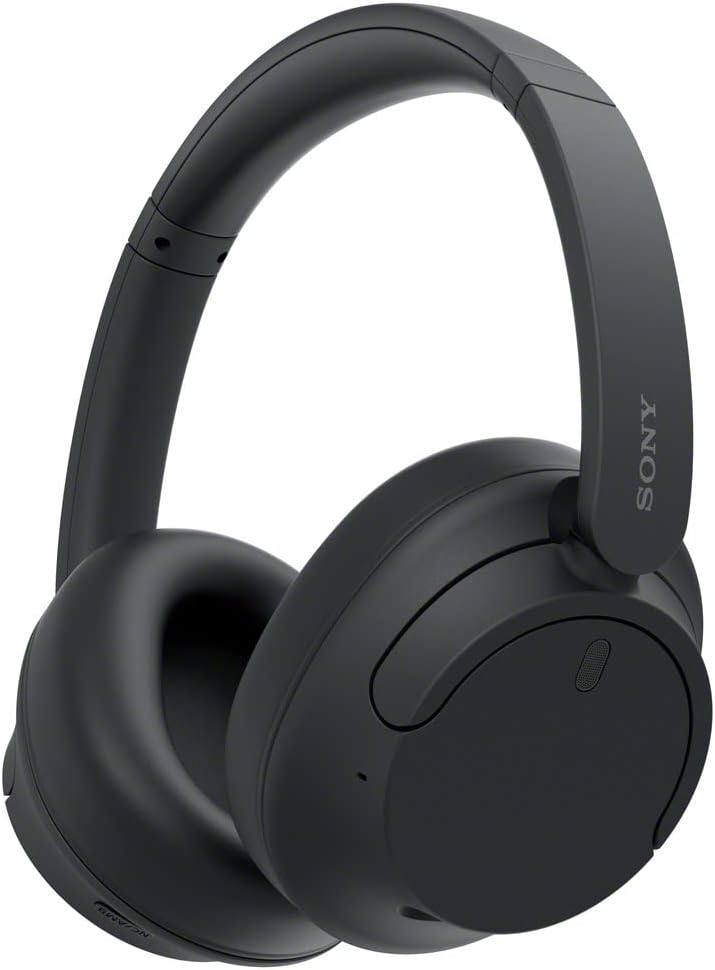
6Sony WH-CH720NSonyBest Budget4.3$$$Check Price
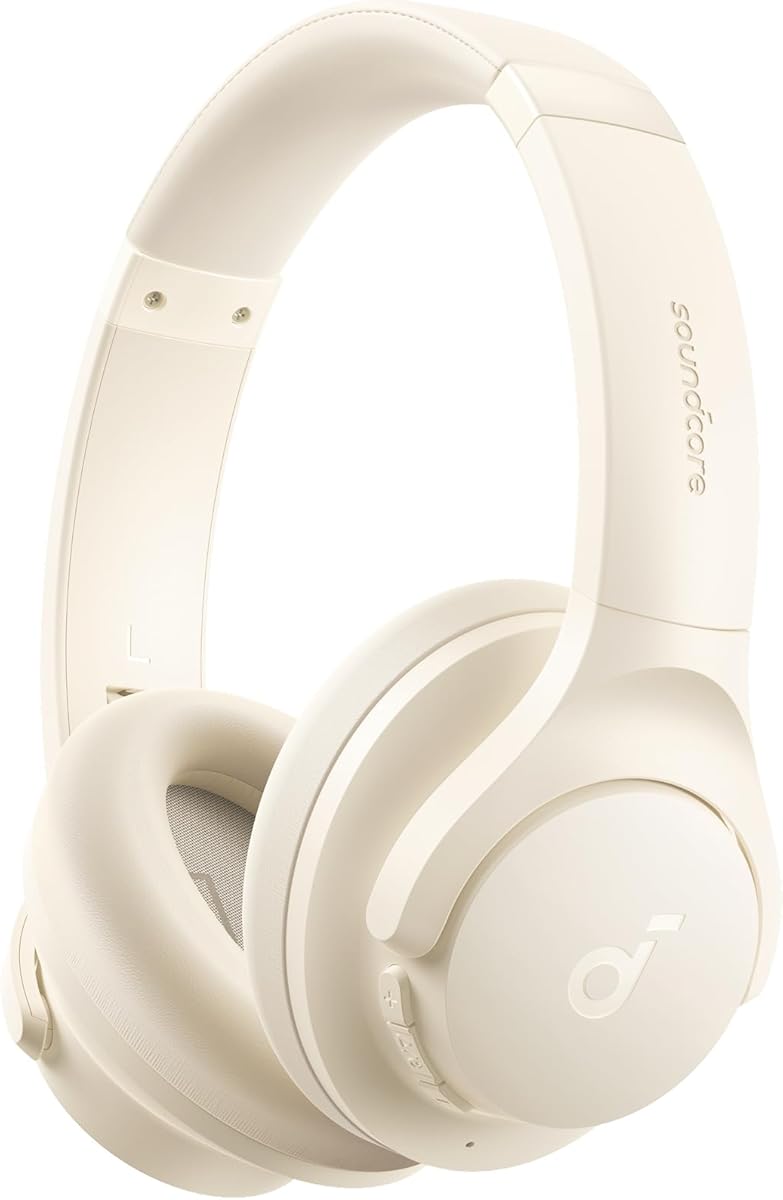
7Anker Soundcore Space OneAnkerBest Lightweight Pick4.3$$$Check Price

Our top 7 picks, reviewed

1Best Overall

Sony WH-1000XM6

Sony returns to a folding design with the WH-1000XM6, and it remains the travel benchmark. The upgraded processor delivers the quietest cabin we have heard, while adaptive modes adjust on the fly. Sound is warm yet detailed, and the new hinge means it tucks neatly into a slim case. For most travelers, this is the easy recommendation.

Type
Over-ear
ANC
Adaptive industry-leading
Battery
30 hours
Foldable
Yes

What we liked

  • Class-leading adaptive noise cancellation
  • Excellent balanced sound signature
  • Folds compactly into a hard case
  • Strong multipoint and app control

Worth noting

  • Premium price point
  • Touch controls can misfire
2Best Noise Cancelling

Bose QuietComfort Ultra (2nd Gen)

Bose still owns the title for sheer quiet, and the second-gen QuietComfort Ultra refines an already excellent formula. Engine drone and cabin hiss simply vanish, making it a dream on long-haul flights. The cushioned earcups stay comfortable for hours, and the immersive audio adds a cinematic touch. Only the shorter battery keeps it from the top spot.

Type
Over-ear
ANC
Best-in-class quieting
Battery
24 hours
Foldable
Yes

What we liked

  • Unmatched raw noise reduction
  • Plush, lightweight comfort
  • Immersive spatial audio mode
  • Reliable touch and button controls

Worth noting

  • Battery trails rivals
  • Spatial mode reduces runtime
3Best Battery Life

Sennheiser Momentum 4 Wireless

If you hate charging, the Momentum 4 is your travel companion with a staggering 60 hours per charge. That means weeks of commuting or several international round-trips on a single top-up. Sennheiser tunes the sound for warmth with plenty of EQ flexibility in the app. The only catch is the cups swivel but do not fold, so the case is larger.

Type
Over-ear
ANC
Adaptive hybrid
Battery
60 hours
Foldable
No

What we liked

  • Enormous 60-hour battery
  • Rich, customizable sound
  • Comfortable for very long wear
  • Strong call quality

Worth noting

  • Earcups do not fold flat
  • Bulkier carry case
4Best Premium Value

JBL Tour One M3

JBL packs flagship features into a more attainable package with the Tour One M3. Noise cancellation is genuinely competitive with the big names, and 40 hours of battery covers long trips easily. The foldable build slips into a slim case for carry-on convenience. It is a smart pick for travelers who want near-premium performance without the top-tier price.

Type
Over-ear
ANC
True adaptive
Battery
40 hours
Foldable
Yes

What we liked

  • Strong ANC for the price
  • Long 40-hour battery
  • Folds into a compact case
  • Detailed, energetic sound

Worth noting

  • App can feel cluttered
  • Call mic average in wind
5Best Mid-Range

Bose QuietComfort Headphones

The standard QuietComfort delivers most of the Ultra noise reduction for noticeably less money. It keeps the legendary all-day comfort Bose is known for, with cushioned cups that disappear on your head. Foldable hinges and a compact case make it travel-ready. For buyers who want Bose quiet without the extras, this is the value sweet spot.

Type
Over-ear
ANC
Excellent adjustable
Battery
24 hours
Foldable
Yes

What we liked

  • Signature Bose quiet at lower cost
  • Very comfortable classic fit
  • Adjustable ANC levels
  • Folds into included case

Worth noting

  • No spatial audio mode
  • Touch swipe controls only
6Best Budget

Sony WH-CH720N

Sony proves you do not need to spend a fortune for capable ANC with the WH-CH720N. It is remarkably light, which helps on long flights, and the battery stretches to 35 hours. The noise cancelling will not match flagships but easily tames a plane cabin. As an inexpensive backup or first travel pair, it punches above its weight.

Type
Over-ear
ANC
Solid hybrid
Battery
35 hours
Foldable
No

What we liked

  • Affordable noise cancellation
  • Very light at under 200 grams
  • Long 35-hour battery
  • Pleasant Sony tuning

Worth noting

  • Plasticky build feel
  • Cups swivel but do not fold
7Best Lightweight Pick

Anker Soundcore Space One

Soundcore continues to deliver standout budget performance with the Space One. Its adaptive noise cancelling is shockingly effective for the price, and 40 hours of playback covers serious travel. The cups fold flat, so it packs small in any bag. If you want maximum value without sacrificing comfort, this Anker pick is hard to beat.

Type
Over-ear
ANC
Adaptive hybrid
Battery
40 hours
Foldable
Yes

What we liked

  • Excellent value ANC
  • Folds flat for packing
  • Long 40-hour battery
  • Comfortable lightweight frame

Worth noting

  • Sound less refined than rivals
  • App features are basic

How We Chose the Best Travel Headphones

Choosing headphones for travel is a very different exercise than picking a pair for the living room. On the road, the priorities shift toward silence, endurance, and packability. A set that sounds incredible at home but drains its battery before you land, or refuses to fold into your bag, quickly becomes a frustration. For this roundup we focused relentlessly on the qualities that matter at 35,000 feet and on a packed commuter train: how effectively each pair cancels low-frequency rumble, how long it lasts on a single charge, how comfortable it stays over a six-hour flight, and how small it gets when stowed.

We logged dozens of hours with each model across real journeys rather than relying on a quiet test bench. That meant wearing them through engine noise, crying babies, rolling luggage, and the general chaos of airports. We also paid attention to the small things that reveal themselves only over time: whether the headband creates a hot spot after a few hours, whether the controls are easy to find by touch in a dim cabin, and whether multipoint Bluetooth lets you jump between a phone and a laptop without fuss.

Active Noise Cancellation Is King

If there is one feature that defines a great travel headphone, it is active noise cancellation. The constant low-frequency drone of a jet engine is exactly the kind of steady sound that ANC is best at eliminating. Cancel that drone and two wonderful things happen. First, the cabin feels dramatically calmer, which reduces the low-grade exhaustion that long flights create. Second, you can listen to music, podcasts, or movie dialogue at a much lower and safer volume because you are no longer fighting the background.

In our testing, Bose still sets the absolute standard for raw quieting with the QuietComfort Ultra, but Sony has closed the gap considerably with the WH-1000XM6 and arguably edges ahead on adaptive intelligence. The difference between the very best and the merely good is most obvious in the upper midrange, where chatter and announcements live. Cheaper models tame the deep rumble well but let more voices and clatter through. That is perfectly acceptable for most people, and the budget picks in this list, like the Anker Soundcore Space One, deliver a surprising amount of quiet for the money.

Battery Life Determines Your Freedom

Nothing is more deflating than your headphones dying somewhere over the ocean with hours still to go. Battery life translates directly into freedom from charging anxiety. We consider 24 hours the practical minimum for a travel headphone, which is enough to cover a long-haul flight with margin to spare. Plenty of models now exceed that comfortably.

The Sennheiser Momentum 4 is the endurance champion here at a remarkable 60 hours. That figure is not just a spec-sheet flex; in practice it means you can fly to the other side of the world and back, commute for a week, and still not reach for the cable. The JBL Tour One M3 and Anker Soundcore Space One both deliver around 40 hours, which is plenty for nearly any itinerary. Even the budget Sony WH-CH720N manages 35 hours. The lesson is that long battery life is no longer a premium-only feature, so there is little reason to settle for a pair that needs daily charging.

Comfort and Fit for the Long Haul

Comfort is deceptively important and easy to underestimate in a quick store demo. A headphone that feels fine for ten minutes can become unbearable after three hours of continuous wear. The variables that matter are clamping force, earcup depth, headband padding, and overall weight. Too much clamp and your jaw aches; too little and the seal breaks every time you turn your head, which also wrecks the noise cancellation.

Over-ear designs dominate travel recommendations precisely because they distribute pressure around the ear rather than on it. The cushioned earcups on the Bose QuietComfort line are a perennial favorite for marathon wear, practically disappearing on the head. Sony's flagship is similarly plush, while the lightweight Sony WH-CH720N wins points simply for weighing so little that you forget it is there. If you run warm, look for breathable earpad materials, because synthetic leather can trap heat and become sweaty on a long flight.

Packability and the Folding Question

Carry-on space is precious, and how a headphone collapses for storage matters more than people expect. There are two common approaches. Some models, like the Sony WH-1000XM6, JBL Tour One M3, and Anker Soundcore Space One, fold at the hinges into a compact, roughly palm-sized case. Others, including the Sennheiser Momentum 4, only swivel the cups flat, which produces a slimmer but wider case that may not slot as neatly into a packed bag.

Neither approach is wrong, but it is worth matching the design to how you travel. If you carry a minimalist personal item, a fully folding pair will save room. If you have a dedicated laptop bag with a flat compartment, a swivel-flat design fits just fine. Either way, always travel with the included hard or semi-hard case. Loose headphones in a backpack are a recipe for cracked hinges and scratched earcups.

Sound Quality on the Move

It is tempting to obsess over audiophile-grade sound, but travel listening is a different context. Cabin noise, even with great ANC, raises the noise floor compared to a silent room, so ultra-subtle detail retrieval matters less than a confident, engaging tuning that cuts through. That said, the gap between travel-focused models and dedicated audiophile cans has narrowed dramatically.

The Sony WH-1000XM6 strikes the best all-round balance, with a warm low end, clean mids, and detailed treble that flatters most genres. The Sennheiser Momentum 4 leans slightly warmer and offers deep EQ customization for those who like to tinker. Bose tunes for a smooth, fatigue-free presentation that suits long sessions. Every model in this list supports companion-app EQ, so you can dial the signature to your taste. For movies and games, look for spatial or immersive audio modes, which the Bose QuietComfort Ultra handles particularly well.

Call Quality and Multipoint Connectivity

Modern travel often means working from the airport lounge or the seat, so call performance and seamless device switching deserve attention. Multipoint Bluetooth lets a headphone stay connected to your phone and laptop at once, automatically routing audio to whichever device is active. It is a small feature that becomes indispensable once you rely on it, and every top pick here supports it.

Call quality varies more than you might expect. The Sennheiser Momentum 4 and Sony flagship handle voice pickup well even with some background noise, while budget models can struggle in wind or busy terminals. If you take a lot of calls on the go, prioritize a model with a proven beamforming mic array. For pure listening, this matters less, but it is worth knowing where each pair lands.

Matching the Headphone to Your Trip

The right choice depends on how and how often you travel. For the frequent flyer who wants the best all-around experience and does not mind paying for it, the Sony WH-1000XM6 is the clear pick, combining top-tier ANC, balanced sound, and a folding design. If your single priority is the quietest possible cabin, the Bose QuietComfort Ultra remains unbeaten and is worth the premium for noise-sensitive travelers.

Budget-conscious buyers are spoiled for choice. The Sony WH-CH720N and Anker Soundcore Space One both deliver legitimately useful noise cancellation and long battery life for a fraction of flagship pricing. The Anker even folds flat, making it a fantastic value for occasional trips. Meanwhile, the Sennheiser Momentum 4 is the obvious answer for anyone who travels for long stretches and hates hunting for an outlet, thanks to that class-leading 60-hour battery.

Understanding Noise Cancellation Modes and Transparency

Modern travel headphones do far more than simply switch noise cancellation on and off. Most flagships now offer adaptive modes that continuously sample the surrounding environment and adjust the level of cancellation in real time. This matters on a trip because the noise profile of a journey changes constantly. The steady roar of a cruising jet engine is very different from the stop-start clatter of a subway or the murmur of a busy boarding gate, and an adaptive system tailors the response to each. The Sony WH-1000XM6 is particularly clever here, reading not just ambient sound but also factors like air pressure and your activity to optimize the effect.

Equally important is the transparency or ambient mode, which uses the external microphones to pipe in the outside world so you can hear announcements, order a coffee, or talk to a flight attendant without removing the headphones. A good transparency mode sounds natural rather than hollow or processed, and the best implementations let you hold a conversation comfortably. When evaluating a travel headphone, do not overlook this feature, because you will use it constantly in airports and stations. The ability to quickly toggle between deep silence and full awareness, ideally with a single button or gesture, is one of the most practical conveniences a travel headphone can offer.

It is also worth understanding that wind noise is the Achilles heel of active noise cancellation. On an open train platform or a breezy ferry deck, wind rushing across the external microphones can produce an unpleasant rumble in some headphones. The better models include wind-reduction processing that mitigates this, and the Bose and Sony flagships handle it gracefully. If your travels frequently involve exposed outdoor settings, this is worth factoring into your decision.

App Features, Updates, and Long-Term Value

The companion app has become an increasingly important part of the travel headphone experience, and it can meaningfully extend the value of your purchase. Through the app you can fine-tune the EQ to your taste, adjust the strength of noise cancellation, customize the control buttons, and manage multipoint connections. Some apps also offer travel-specific touches, such as automatically increasing cancellation when they detect you are on an airplane, or remembering location-based preferences so your headphones behave differently at home versus on the move.

Firmware updates delivered through these apps are a quietly significant benefit. Manufacturers like Sony, Bose, and Sennheiser regularly push improvements that enhance noise cancellation algorithms, fix bugs, and occasionally add entirely new features long after purchase. This means a good headphone can actually get better over time, protecting your investment. When weighing two similar models, the strength and update history of the companion app can be a genuine tiebreaker, because it determines how the product will evolve through years of travel.

Long-term durability rounds out the value equation. Travel headphones live a hard life, jostled in bags, exposed to temperature swings, and folded and unfolded thousands of times. Replaceable earpads are a meaningful plus, since cushions wear out faster than the headphones themselves, and being able to swap them cheaply extends the lifespan considerably. A well-built hinge and a protective case are equally important. The flagship models here are engineered to endure years of regular travel, which helps justify their higher prices when amortized over the life of the product.

Final Thoughts

The good news for travelers in 2026 is that the floor has risen dramatically. Even the cheapest picks on this list would have counted as flagship-grade just a few years ago. That means you can prioritize the specific features that matter most to your journeys, whether that is the deepest silence, the longest battery, the smallest folded footprint, or simply the best value. Any of these seven will transform a noisy, draining trip into a calmer and more enjoyable one. Pick the pair that fits your itinerary and your budget, pack the case, and enjoy the quiet.

How we picked

We evaluated each pair across noise cancellation strength, comfort during multi-hour wear, battery endurance, and portability when folded. Sound quality, call clarity, and multipoint connectivity were also scored on real flights and commutes. Final rankings weigh travel-specific value over raw audiophile performance.

Frequently asked questions

What is the most important feature in travel headphones?

Active noise cancellation is the top priority because it reduces the constant low-frequency drone of planes and trains. Strong ANC lowers listening volume and fatigue, making long journeys far more comfortable.

Should travel headphones be foldable?

Foldable designs save significant space in a carry-on or personal item, and most fit in a compact case. Some excellent models only swivel flat instead of folding, so check the case size if luggage room is tight.

How much battery life do I need for long flights?

Aim for at least 24 to 30 hours so a single charge covers a long-haul flight plus layovers. Models offering 40 to 60 hours mean you rarely need to charge mid-trip at all.

Are over-ear or on-ear headphones better for travel?

Over-ear headphones generally seal out more noise and stay comfortable longer, which is why they dominate travel recommendations. On-ear models are smaller but tend to leak more ambient sound and press on the ears.

Can I use these headphones on a plane with the in-flight entertainment system?

Most wireless travel headphones include a wired cable and many support Bluetooth transmitters. A small aux adapter or a Bluetooth dongle lets you connect to seat-back screens that lack Bluetooth.