Skip to content

Best Over-Ear Headphones in 2026

4.6 average · hands-on tested
By Alexander DavidUpdated June 27, 20267 picks tested

We may earn a commission from links on this page, at no extra cost to you. Learn more.

Over-ear headphones surround your ears completely, delivering the most spacious sound and the most comfortable long-session fit of any headphone style. In 2026 the category spans wireless flagships, wired studio classics, and affordable all-rounders. This roundup ranks the best full-size over-ear models on sound, comfort, build, and value. Whether you want the convenience of Bluetooth or the pure audio quality of a wired pair, these seven picks lead the field.

Quick comparison

KeyboardBest forRatingPrice
1Sony WH-1000XM6SonyBest Overall4.8$$$Check Price
2Bose QuietComfort Ultra (2nd Gen)BoseBest Premium4.7$$$Check Price
3Sennheiser HD 560SSennheiserBest for Audiophiles4.6$$$Check Price
4Sony WH-1000XM5SonyBest Value Wireless4.6$$$Check Price
5Audio-Technica ATH-M50xAudio-TechnicaBest for Studio4.5$$$Check Price
6Beyerdynamic DT 770 ProBeyerdynamicBest Long-Wear Comfort4.6$$$Check Price
7Sony WH-CH720NSonyBest Budget4.4$$$Check Price

Our top 7 picks, reviewed

1Best Overall

Sony WH-1000XM6

The WH-1000XM6 is the best over-ear pair for most people in 2026. It combines a refined sound, leading noise cancellation, and all-day comfort in a foldable, travel-ready design. As a single do-everything over-ear, nothing else matches its blend of performance, features, and convenience.

Type
Over-ear wireless
ANC
Yes
Battery
30h
Weight
254g

What we liked

  • Refined balanced sound
  • Class-leading noise cancellation
  • Comfortable lightweight design
  • Excellent call quality

Worth noting

  • Premium price
  • No wired high-res without dongle
2Best Premium

Bose QuietComfort Ultra (2nd Gen)

Bose makes the most comfortable over-ear headphones you can buy, and the QuietComfort Ultra adds immersive spatial audio and excellent noise cancelling on top. The plush earpads and even clamp make it ideal for marathon sessions. If comfort and a wide soundstage top your list, this is the premium over-ear to beat.

Type
Over-ear wireless
ANC
Yes
Battery
24h
Weight
250g

What we liked

  • Best-in-class comfort
  • Immersive spatial audio
  • Powerful adaptive ANC
  • Premium materials

Worth noting

  • Battery shorter than rivals
  • Spatial mode drains charge
3Best for Audiophiles

Sennheiser HD 560S

For pure listening at home, the open-back HD 560S delivers a wide, detailed soundstage that punches well above its price. Sennheiser's reference tuning is accurate and engaging, and the lightweight fit stays comfortable for hours. The open design leaks sound and needs a quiet room, but for audiophile value it is exceptional.

Type
Over-ear wired open-back
ANC
No
Battery
N/A
Weight
240g

What we liked

  • Spacious detailed soundstage
  • Accurate reference tuning
  • Comfortable lightweight fit
  • Outstanding value for audio

Worth noting

  • Open-back leaks sound
  • Needs a decent source
4Best Value Wireless

Sony WH-1000XM5

With the XM6 now leading the lineup, the XM5 has become a fantastic value over-ear. It keeps the excellent sound, strong noise cancelling, and top-tier microphone that made it a favorite. For shoppers who want flagship wireless quality at a reduced price, the XM5 is a smart over-ear choice.

Type
Over-ear wireless
ANC
Yes
Battery
30h
Weight
250g

What we liked

  • Near-flagship sound and ANC
  • Lightweight comfortable design
  • Excellent microphone
  • Strong app and codecs

Worth noting

  • Does not fold flat
  • Case is bulky
5Best for Studio

Audio-Technica ATH-M50x

The ATH-M50x is a studio classic that has earned its reputation through detailed, honest sound and tank-like durability. The closed-back design isolates well, the swappable cables add versatility, and the audio quality per dollar is outstanding. There is no wireless here, but for serious wired listening it remains a benchmark.

Type
Over-ear wired closed-back
ANC
No
Battery
N/A
Weight
285g

What we liked

  • Detailed accurate monitoring
  • Durable proven build
  • Three detachable cables
  • Good passive isolation

Worth noting

  • No wireless or ANC
  • Tight clamp out of box
6Best Long-Wear Comfort

Beyerdynamic DT 770 Pro

The DT 770 Pro is beloved for its soft velour earpads and supreme long-wear comfort, making it a desk and studio favorite. The sound is detailed with strong bass and crisp treble, and the German build quality lasts for years. The fixed cable is the main drawback, but for all-day wired comfort it is hard to top.

Type
Over-ear wired closed-back
ANC
No
Battery
N/A
Weight
270g

What we liked

  • Plush velour earpads
  • Excellent long-session comfort
  • Detailed punchy sound
  • Built to last for years

Worth noting

  • Fixed non-detachable cable
  • Treble can be bright
7Best Budget

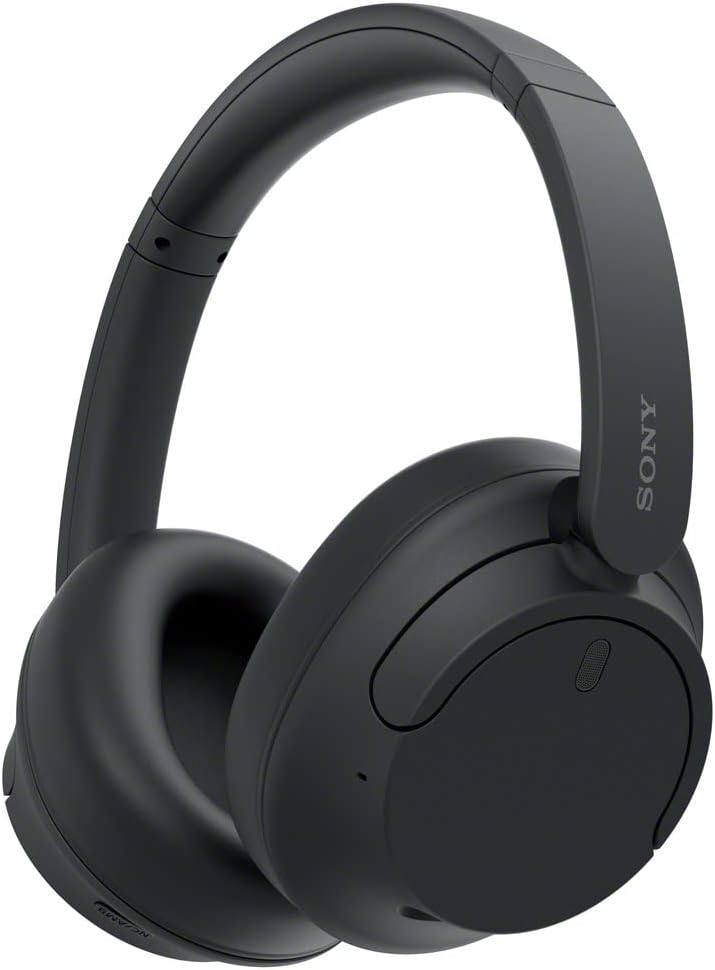
Sony WH-CH720N

The CH720N is a capable budget over-ear that gets the essentials right. It is impressively lightweight, has usable noise cancellation, and lasts 35 hours per charge with Sony's app for EQ tweaks. The plastic build reveals its budget price, but as an affordable everyday over-ear it offers strong value.

Type
Over-ear wireless
ANC
Yes
Battery
35h
Weight
192g

What we liked

  • Very light and comfortable
  • Decent ANC for the price
  • Long 35-hour battery
  • Sony app support

Worth noting

  • Plastic construction
  • Bass can sound loose

How to Choose the Best Over-Ear Headphones in 2026

Over-ear headphones, also called full-size or circumaural headphones, surround your ears entirely with a cushioned earcup rather than resting on them. This single design choice gives them their defining advantages: the most comfortable long-session fit, the widest and most spacious sound, and the strongest passive isolation of any headphone style. If you value immersive listening and all-day comfort over pocket-sized portability, over-ear is the format for you. This guide explains everything that goes into choosing the right pair, from the fundamental open versus closed decision to the practical details that make a pair a joy to live with.

We will begin with the design choices unique to over-ear headphones, then move through sound, comfort, build, and the wireless features that increasingly define the category.

Open-Back Versus Closed-Back

The most important decision in over-ear headphones is open-back versus closed-back, and it shapes everything about how a pair performs. Closed-back headphones seal the rear of each earcup, trapping sound inside. This gives them strong isolation, keeps your music private, and makes them suitable for travel, offices, and any shared space. The trade-off is a slightly more enclosed sound that can feel less spacious.

Open-back headphones have perforated or mesh earcups that let air and sound pass through freely. This produces a wider, more natural, more three-dimensional soundstage that audiophiles prize, because the sound feels like it surrounds you rather than sitting inside your head. The catch is significant: open-back headphones leak sound in both directions, so everyone nearby hears your music and you hear them. They are strictly for quiet, private rooms and make no sense for commuting or shared spaces.

Choose closed-back if you need versatility, isolation, or portability. Choose open-back only if you listen alone in a quiet room and prioritize the most spacious, natural sound. Many enthusiasts eventually own one of each for different situations.

Soundstage and Sound Signature

Over-ear headphones are known for soundstage, the perceived sense of space and positioning in the audio. A wide soundstage makes instruments feel spread out and distinct, almost like listening to speakers, while a narrow one places everything close to your ears. Open-back designs naturally produce wider soundstages, but earcup size and driver design influence closed-back models too.

Beyond soundstage, sound signature describes the tonal balance. Balanced or reference tunings aim for accuracy and are favored for critical listening and studio work. Bass-forward tunings add warmth and impact for popular genres. Bright tunings emphasize detail but can fatigue. There is no correct choice, only what suits your music and ears. Many wireless over-ears include an app with EQ so you can adjust the signature, which adds welcome flexibility.

Comfort for Long Sessions

Comfort is where over-ear headphones shine, but not all of them get it right. Because the earcups surround your ears rather than pressing on them, a good over-ear can be worn for hours without fatigue. The factors that determine this are clamping force, weight, earpad material, and headband padding.

Clamping force should be firm enough to seal and stay put but not so tight that it creates pressure on your temples and jaw. Weight matters over long sessions, where even fifty extra grams becomes noticeable, so lighter is generally better for marathon listening. Earpad material makes a big difference: plush memory foam conforms to your head, while velour stays cool and breathable over long periods. The headband should distribute weight evenly across the top of your head without a hot spot.

Glasses wearers should pay special attention to earpad softness, since firm pads press the frame arms into the head and can also break the seal, hurting both comfort and sound. Models praised for plush, deep earpads tend to accommodate glasses best.

Wired Versus Wireless Over-Ear

Over-ear headphones come in both wired and wireless forms, and the choice mirrors the broader headphone market. Wired over-ears deliver the best sound per dollar because none of your money goes toward batteries or Bluetooth, and they never need charging. They are the natural choice for home listening, studio work, and anyone who prioritizes pure audio quality. The cable limits movement and many modern phones lack a jack, but for stationary use those are minor concerns.

Wireless over-ears add the freedom of going cable-free, plus noise cancellation, hands-free calling, and app-based features. The best now sound excellent, though slightly behind equivalent wired models in pure value. They are ideal for commuters, travelers, and anyone who wants one versatile pair for music, calls, and travel. If you cannot decide, consider that wired excels at the desk and wireless excels on the move.

Noise Isolation and Cancellation

Closed-back over-ear headphones provide strong passive isolation simply by sealing your ears, which blocks a meaningful amount of outside noise across all frequencies. Wireless models often add active noise cancellation on top, using microphones to cancel low-frequency drone like engine and HVAC noise. The combination of good passive isolation and effective ANC makes over-ear the most capable style for blocking out the world.

If you spend time in noisy environments, prioritize closed-back models with strong ANC. If you listen mainly at home in quiet, isolation matters less and you can favor open-back designs for their superior soundstage. Open-back headphones provide essentially no isolation, so they are never the right choice for noisy settings.

Build Quality and Durability

Over-ear headphones take abuse, getting stuffed into bags, set on desks, and pulled off in a hurry. Build quality determines whether yours last for years or fail in months. Inspect the headband hinges and the points where the earcups swivel, since these are the most common failure points. Metal reinforcement in the headband signals longevity, while all-plastic frames are more likely to crack over time.

Replaceable earpads are a major durability feature, because pads wear out and flatten long before the rest of the headphones do. Being able to swap them cheaply extends the useful life by years. On wired models, a detachable cable is another win, since a frayed cable becomes an inexpensive replacement rather than a dead pair. Studio-oriented over-ears tend to excel at both replaceable pads and detachable cables.

Battery Life and Features for Wireless Models

If you choose a wireless over-ear, battery life and smart features come into play. Battery ranges from around twenty hours to sixty hours depending on the model, with most flagships landing near thirty. For most people, anything above thirty hours is ample since you charge between uses, but frequent travelers benefit from longer batteries. Quick charging that yields hours of playback from minutes on the cable is a valuable convenience.

Other wireless features worth weighing include multipoint pairing, which keeps the headphones connected to two devices at once, app-based EQ for tuning the sound, and wear detection that pauses music when you remove the headphones. Microphone quality matters if you take calls, and it does not always track with music performance, so check reviews specifically if calls are important to you.

Setting Your Budget

Over-ear headphones span a wide range. Excellent wired models for home and studio start around 100 to 200 dollars and deliver outstanding sound for the money. Mid-range wireless models around 150 to 250 dollars offer good ANC and features. Flagship wireless pairs at 350 dollars and up provide the best noise cancellation, materials, and call quality.

The right budget depends on your use. If you mostly listen at home and care about sound, a quality wired pair offers the best value by far. If you want one versatile pair for travel, calls, and music, a wireless flagship justifies its price. Decide which strengths you truly need before spending up, since the best value often lies below the top of the range.

Do You Need an Amp or DAC

A question that comes up often with over-ear headphones, especially wired audiophile models, is whether you need a separate amplifier or digital-to-analog converter, known as a DAC. The short answer is that most people do not. The vast majority of over-ear headphones are easy to drive and sound great straight from a phone, laptop, or basic dongle. Amps and DACs become relevant only for high-impedance or hard-to-drive audiophile headphones that demand more power than a phone can supply.

If you buy a demanding open-back or studio model and find it sounds quiet or thin from your phone, a modest headphone amp or USB DAC can unlock its full potential. But this is a niche concern, and you should never feel obligated to buy extra gear for a typical pair. Start with what you have, and only consider an amp or DAC if a specific pair clearly needs more power than your source provides.

Earpad Material and Replaceability

Earpads have an outsized effect on both comfort and sound in over-ear headphones, and they are worth understanding. Memory foam pads conform closely to your head and provide a strong seal, which improves bass and isolation but can trap heat over long sessions. Velour pads are softer and far more breathable, staying cool over hours of listening, but they isolate slightly less. Protein leather pads, common on many models, balance comfort and durability.

Just as important is whether the pads can be replaced. Earpads are the first part of any over-ear to wear out, flattening and peeling after a couple of years of use. Models with replaceable pads let you restore comfort and sound cheaply rather than discarding the whole pair, which dramatically extends their useful life. Many popular over-ears have a healthy aftermarket of replacement and upgrade pads, and choosing one with that support is a quiet but meaningful advantage.

Caring for Over-Ear Headphones

A little care keeps over-ear headphones performing and looking good for years. Store them in a case or on a stand rather than tossing them in a bag loose, which stresses the hinges and flattens the pads. Wipe the earpads and headband periodically to remove oils and sweat that degrade the material over time. For wireless models, mind the battery by avoiding heat and not storing them fully drained.

The most impactful maintenance is replacing worn earpads when they flatten, since this restores both the comfort and the seal that good sound depends on. Keep cables, whether detachable or fixed, free of sharp bends that can fray the wire inside. Treated as a long-term purchase rather than a disposable gadget, a quality over-ear pair easily lasts five years or more, making the upfront cost a sound investment.

Final Thoughts

Over-ear headphones remain the most rewarding format for anyone who values comfort and immersive sound. Start with the open versus closed decision, since it shapes everything else, then choose between wired and wireless based on whether you prioritize value and audio quality or freedom and features. Weight comfort heavily, since the format's signature advantage is long-session wearability, and confirm the build will survive your daily life. Match noise control and wireless features to your environment, and set a budget that respects diminishing returns. Get those choices right and any pair on this list will serve you beautifully for years.

How we picked

We evaluated each over-ear pair on sound quality and soundstage, long-session comfort, build durability, and overall value. For wireless models we factored in battery life, noise cancellation, and call quality, while wired models were judged on pure audio performance. Rankings reflect the complete package at the price.

Frequently asked questions

What are the best over-ear headphones in 2026?

The Sony WH-1000XM6 is our top over-ear pick for 2026 thanks to its refined sound, leading noise cancellation, and all-day comfort. It is the most complete full-size pair for everyday use, travel, and calls alike.

Are over-ear headphones better than on-ear or earbuds?

Over-ear headphones generally offer the best comfort for long sessions, the widest soundstage, and the strongest passive isolation because they fully surround the ear. On-ear and earbud designs are more portable but tend to be less comfortable over hours and isolate less effectively.

What is the difference between open-back and closed-back over-ear headphones?

Closed-back headphones seal the earcups for isolation and privacy, making them suitable for travel and noisy spaces. Open-back models let air pass through for a wider, more natural soundstage, but they leak sound both ways and are best used in a quiet room at home.

Are over-ear headphones comfortable for glasses wearers?

They can be, but fit matters. Look for soft memory foam or velour earpads and moderate clamping force, since stiff pads press the arms of glasses into your head. Models praised for comfort tend to accommodate glasses better than tight, firm designs.

Do I need wireless over-ear headphones or will wired do?

Wired over-ear headphones offer better sound per dollar and never need charging, making them ideal for home and studio use. Wireless models add freedom of movement, noise cancellation, and hands-free calls, which suit commuters and anyone who wants one pair for everything.