Best Open-Back Headphones in 2026
We may earn a commission from links on this page, at no extra cost to you. Learn more.
Open-back headphones are beloved by audiophiles for one simple reason: they sound natural. By letting air flow freely through the ear cups, they create a wide, spacious soundstage that places instruments around you rather than inside your head. This roundup gathers seven of the best open-back headphones available in 2026, from affordable gateways to refined planar flagships. If you listen in a quiet room and crave the most lifelike, immersive sound, you are in the right place.
Quick comparison
| Keyboard | Best for | Rating | Price | |
|---|---|---|---|---|
| 1Sennheiser HD 600Sennheiser | Best Overall | 4.7 | $$$ | Check Price |
| 2Sennheiser HD 560SSennheiser | Best Value | 4.6 | $$$ | Check Price |
| 3HiFiMan SundaraHiFiMan | Best Planar | 4.6 | $$$ | Check Price |
| 4HiFiMan Edition XSHiFiMan | Best Premium Planar | 4.6 | $$$ | Check Price |
| 5AKG K712 ProAKG | Best for Vocals | 4.5 | $$$ | Check Price |
| 6Philips SHP9500Philips | Best Budget Pick | 4.6 | $$$ | Check Price |
| 7Grado SR80xGrado | Best for Rock | 4.4 | $$$ | Check Price |
Our top 7 picks, reviewed
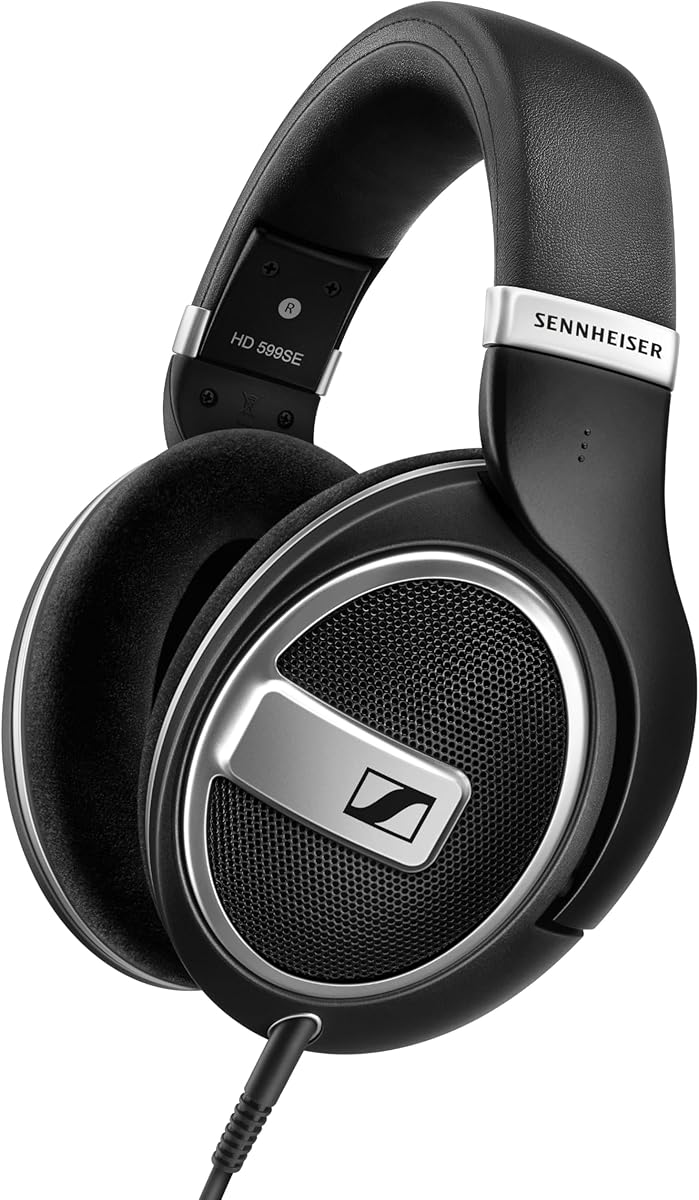
Sennheiser HD 600
The Sennheiser HD 600 is the open-back headphone that defined reference sound for a generation. Its midrange neutrality is so accurate that engineers use it as a measuring stick, and vocals and acoustic instruments sound effortlessly real. The 300-ohm design needs a good amplifier to shine. For listeners who want honest, natural sound above all, it is the definitive open-back choice.
- Type
- Open-back
- Driver
- Dynamic
- Impedance
- 300 ohms
- Back type
- Fully open
What we liked
- Reference-grade midrange accuracy
- Natural, lifelike vocals
- Time-proven reliability
- Comfortable for long listening
Worth noting
- Requires a proper amplifier
- Modest sub-bass extension
Sennheiser HD 560S
The Sennheiser HD 560S brings reference accuracy to a wallet-friendly price, making it the value champion of open-back headphones. Its precise imaging and neutral tuning reveal exactly what is in your recordings. The bass is lean by design, favoring accuracy over warmth. For anyone wanting an honest open-back without spending a fortune, the HD 560S is hard to beat.
- Type
- Open-back
- Driver
- Dynamic
- Impedance
- 120 ohms
- Back type
- Fully open
What we liked
- Accurate, neutral reference tuning
- Precise stereo imaging
- Outstanding value for money
- Light and comfortable
Worth noting
- Lean, analytical bass
- No isolation whatsoever
HiFiMan Sundara
The HiFiMan Sundara is a gateway to planar magnetic sound, delivering speed and detail that dynamic drivers struggle to match. Its airy soundstage and neutral tuning make it superb for critical listening. The bass is clean but lacks visceral impact. For listeners ready to experience planar technology in an open-back form, the Sundara is an outstanding choice.
- Type
- Open-back planar
- Driver
- Planar magnetic
- Impedance
- 37 ohms
- Back type
- Fully open
What we liked
- Fast, detailed planar sound
- Wide and airy soundstage
- Neutral, balanced tonality
- Relatively easy to drive
Worth noting
- Bass lacks physical slam
- Pads wear over time
HiFiMan Edition XS
The HiFiMan Edition XS expands on the planar formula with an even larger, more holographic soundstage that envelops the listener. Its clarity and dynamics make for an engaging, immersive experience across genres. The frame is large and the treble can be forward. For those who prioritize spaciousness and detail, the Edition XS delivers a thrilling open-back performance.
- Type
- Open-back planar
- Driver
- Planar magnetic
- Impedance
- 18 ohms
- Back type
- Fully open
What we liked
- Enormous, holographic soundstage
- Excellent detail and clarity
- Engaging, dynamic presentation
- Easy to power from many sources
Worth noting
- Large, somewhat clunky frame
- Treble can be forward
AKG K712 Pro
The AKG K712 Pro is cherished for its sweet, engaging midrange and expansive soundstage that suits vocals, classical, and acoustic music beautifully. Its plush velour pads make for all-day comfort. The bass is a little loose and the treble slightly forward. For listeners who love an immersive, vocal-focused open-back, the K712 Pro is a delight.
- Type
- Open-back
- Driver
- Dynamic
- Impedance
- 62 ohms
- Back type
- Fully open
What we liked
- Sweet, engaging midrange
- Spacious, wide soundstage
- Very comfortable velour pads
- Great for classical and acoustic
Worth noting
- Bass can sound loose
- Treble is slightly elevated
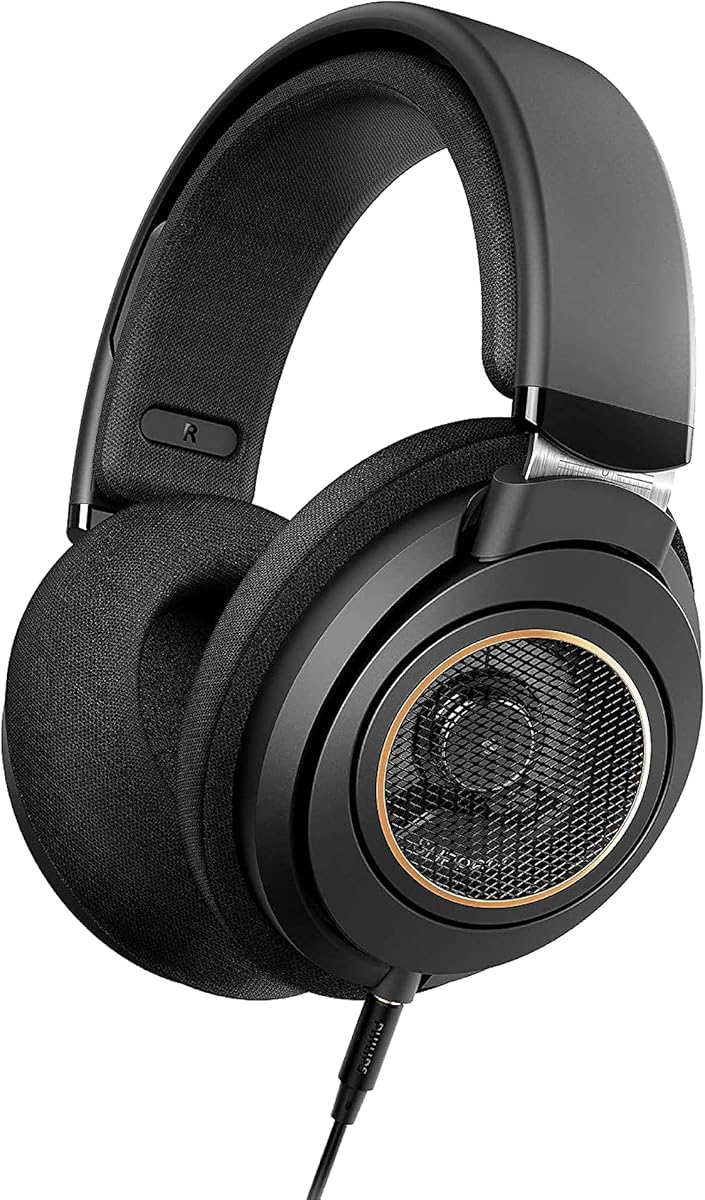
Philips SHP9500
The Philips SHP9500 proves you do not need to spend much to enjoy open-back sound. It offers a spacious soundstage, clear detail, and exceptional comfort for an astonishingly low price. The build feels plasticky and bass is light. As a first open-back headphone or a casual everyday pair, the SHP9500 delivers remarkable value.
- Type
- Open-back
- Driver
- 50mm dynamic
- Impedance
- 32 ohms
- Back type
- Fully open
What we liked
- Surprisingly spacious soundstage
- Very comfortable and light
- Easy to drive from any source
- Detachable cable for swaps
Worth noting
- Light bass response
- Cheap-feeling plastic build
Grado SR80x
The Grado SR80x brings energy and excitement to open-back listening, making rock, punk, and acoustic music come alive with vivid detail. Its retro hand-built design is unmistakable and charming. The on-ear foam pads are an acquired taste. For listeners who want a lively, forward open-back with personality, the SR80x is a long-standing favorite.
- Type
- Open-back
- Driver
- Dynamic
- Impedance
- 38 ohms
- Back type
- Fully open
What we liked
- Lively, energetic sound
- Excellent detail retrieval
- Easy to drive from phones
- Distinctive hand-built charm
Worth noting
- On-ear foam pads divide opinion
- Zero isolation from open back
How to Choose the Best Open-Back Headphones
Open-back headphones occupy a special place in the hearts of audio enthusiasts. Where most consumer headphones seal your ears off from the world, open-back designs do the opposite: they deliberately let air and sound pass through the ear cups. The result is a sound that feels more like listening to speakers in a room than wearing headphones at all. Instruments spread out into a believable space, the music breathes, and long listening sessions feel relaxed and immersive rather than claustrophobic.
This openness comes with trade-offs, of course, and open-back headphones are not for every situation. But for the right listener in the right environment, nothing else delivers the same sense of realism. This guide explains what makes open-back headphones special, how to pick the best one for your needs, and which of our seven top models suits your music and setup.
What Open-Back Really Means
The defining feature of an open-back headphone is the ear cup itself. Instead of a solid, sealed enclosure, the back of each cup is perforated with grilles, vents, or mesh that allow air to move freely between the driver and the outside world. This eliminates the pressure buildup and internal reflections that can make closed-back headphones sound boxed-in.
The audible result is a wider, more open soundstage and a more natural decay of notes. Reverb tails sound realistic, stereo imaging is more precise, and the overall presentation feels effortless. The Sennheiser HD 600 is the textbook example: its sound is so natural and uncolored that it has become a reference for the entire industry. Every headphone in this roundup shares that fundamental open character to some degree.
The Soundstage Advantage
Soundstage is the perceived size and shape of the space in which music plays, and it is where open-back headphones truly shine. A wide, deep soundstage makes a recording feel three-dimensional, with vocals centered in front of you and instruments positioned to the sides and behind. This is especially rewarding for classical, jazz, live recordings, and any music with complex spatial information.
Among our picks, the HiFiMan Edition XS is renowned for its enormous, holographic soundstage that seems to extend well beyond your head. The AKG K712 Pro offers a similarly spacious presentation that flatters orchestral and acoustic music. Even the budget Philips SHP9500 punches above its weight in this regard. If an immersive, room-like sense of space is your priority, open-back is the only way to get it.
The Isolation Trade-Off
The same openness that creates a wonderful soundstage also means open-back headphones offer essentially no isolation. Sound leaks freely outward, so anyone in the room will hear your music, and ambient noise pours in, so you will hear conversations, traffic, and keyboards. This makes open-back headphones unsuitable for offices, libraries, public transport, or any shared or noisy space.
The ideal home for an open-back headphone is a quiet, private room where you can listen without disturbing others and without distraction. If you mostly listen at a desk in a calm environment, this is no obstacle at all. But if you need to block out the world, you should consider a closed-back design instead. Be honest with yourself about where and how you listen before committing to open-back.
Dynamic Versus Planar Drivers
Open-back headphones come in two main driver technologies, and each has a distinct sound.
Dynamic driver headphones, like the Sennheiser HD 600 and HD 560S, AKG K712 Pro, Philips SHP9500, and Grado SR80x, use a traditional moving-coil design. They are versatile, often easy to drive, and can produce wonderfully natural tonality. Planar magnetic headphones, like the HiFiMan Sundara and Edition XS, use a thin, flat diaphragm suspended in a magnetic field. Planars are known for their speed, low distortion, and exceptional detail, producing tight, articulate sound with a very open presentation.
Neither technology is universally better. Dynamic drivers like the HD 600 can sound more natural and forgiving, while planars like the Sundara offer dazzling detail and resolution. Your preference, music, and source gear will determine which suits you best.
Impedance and Amplification
Open-back headphones vary widely in how much power they need. The Sennheiser HD 600 at 300 ohms is a demanding load that truly comes alive only with a proper amplifier; driven from a phone, it sounds thin and quiet. The HD 560S at 120 ohms and AKG K712 Pro at 62 ohms appreciate some power but are more flexible.
On the easier end, the HiFiMan Edition XS at 18 ohms, Sundara at 37 ohms, Philips SHP9500 at 32 ohms, and Grado SR80x at 38 ohms run well from laptops, phones, or inexpensive dongle DACs. If you plan to buy a demanding model, budget for a quality source. A modest amplifier can completely transform a high-impedance open-back, and skimping on power is the most common reason listeners feel underwhelmed.
Comfort for Long Listening
Because open-back headphones are typically used for long, focused sessions at home, comfort is paramount. Lightweight designs and even clamp force reduce fatigue, while breathable velour pads keep your ears cool. The Sennheiser HD 600 series and AKG K712 Pro are celebrated for their long-session comfort, and the Philips SHP9500 is impressively light. The Grado SR80x is the outlier, using on-ear foam pads that some find comfortable and others find firm. Always consider pad style and weight if you plan to wear your headphones for hours at a stretch.
Matching the Headphone to Your Music
Different open-back headphones flatter different genres. For natural vocals and acoustic music, the Sennheiser HD 600 and AKG K712 Pro excel. For detailed, analytical listening across all genres, the neutral HD 560S and the planar HiFiMan Sundara are superb. For an enormous, immersive soundstage, the HiFiMan Edition XS is in a class of its own. And for energetic rock and punk, the lively Grado SR80x brings excitement and bite. Think about what you listen to most and choose accordingly.
The Role of Source Gear with Open-Back Headphones
Because many open-back headphones are designed for serious listening, they often reward better source gear. A digital-to-analog converter, or DAC, and a headphone amplifier together form the chain that feeds your headphones, and upgrading this chain can noticeably improve the sound, especially with demanding models.
The Sennheiser HD 600 at 300 ohms is the clearest example: from a phone it sounds thin and quiet, but from a capable amplifier it gains body, dynamics, and authority. Even easier-to-drive open-backs like the HiFiMan Sundara scale with cleaner, more powerful sources, gaining tighter bass and better control. A modest combined DAC and amplifier unit, or even a portable USB dongle DAC, can elevate the performance of any open-back in this roundup.
You do not need to spend a fortune on source gear to enjoy open-back headphones, but matching the source to the headphone matters. Easy-to-drive models like the Philips SHP9500 and Grado SR80x sound good from almost anything, while demanding references like the HD 600 deserve a proper amplifier to reveal their full potential.
Caring for Open-Back Headphones
Open-back headphones expose their drivers more than closed designs, so a little care keeps them performing well for years. Dust and debris can accumulate in the open grilles, so occasional gentle cleaning with a soft, dry brush helps. Avoid touching the exposed driver elements directly, and store your headphones on a stand or in a case to protect them.
Ear pads on open-back models, often plush velour, compress and wear over time, affecting both comfort and sound. Fortunately, replacement pads are available for popular models like the Sennheiser HD 600 series, AKG K712 Pro, and HiFiMan Sundara, and swapping them restores the original feel and tonality. Detachable cables on many open-backs make cable replacement easy as well. With basic care and the occasional pad refresh, a quality open-back headphone can remain a treasured part of your listening for a very long time.
Open-Back Headphones for Gaming and Spatial Audio
While open-back headphones are most associated with music, their wide soundstage and precise imaging make them excellent for gaming and spatial audio too. The ability to accurately place sounds in space helps you locate footsteps, gunfire, and environmental cues in competitive games, giving open-back wearers a genuine advantage.
The expansive soundstage of models like the HiFiMan Edition XS and AKG K712 Pro creates an immersive sense of being inside a game world, while the easy-to-drive Philips SHP9500 is a long-standing favorite among gamers seeking open-back sound on a budget. The same qualities benefit movies and immersive audio formats, where a believable sense of space heightens the experience. Just remember that open-back headphones leak sound and provide no isolation, so they are best for solo gaming in a quiet room rather than shared or noisy spaces.
Common Questions About Open-Back Designs
Newcomers to open-back headphones often share a few common concerns, and addressing them helps set realistic expectations. Many wonder whether the open design makes them fragile, but a well-built open-back like the Sennheiser HD 600 is just as durable as a closed model in normal use; the exposed grilles simply require a bit more care around dust. Others worry that the lack of isolation makes them useless, but in the right quiet environment that openness is precisely the point, delivering a soundstage no closed headphone can match.
A frequent question concerns bass. Because open-back headphones vent air freely, they often have a more natural, less emphasized bass than closed designs, which can surprise listeners accustomed to consumer headphones. Models like the HiFiMan Sundara and Sennheiser HD 560S favor accuracy over slam, while the Audeze planar approach and warmer Sennheiser tunings bring more body. Open-back bass is typically tighter and more textured rather than booming, and many listeners come to prefer it.
Finally, people ask whether open-back headphones are worth the trade-offs. For listeners who value soundstage, naturalness, and long-session comfort, and who have a quiet place to listen, the answer is a resounding yes. The immersive, speaker-like experience open-back headphones provide is the reason they remain the format of choice for so many enthusiasts, and the seven models here represent the best of what the design offers.
Which Open-Back Headphone Should You Buy?
For the best overall open-back experience and reference accuracy, the Sennheiser HD 600 is our top recommendation, provided you pair it with an amplifier. On a budget, the HD 560S delivers reference sound at a fraction of the price, and the even cheaper Philips SHP9500 is the perfect entry point. Listeners ready for planar technology should choose the HiFiMan Sundara, or step up to the Edition XS for a vast soundstage.
If you love vocals and classical music, the AKG K712 Pro is a sweet, spacious choice, while rock fans will enjoy the lively, energetic Grado SR80x. Each of these seven open-back headphones delivers the natural, immersive sound that makes the design so beloved. Match one to your room, your source, and your music, and you will discover why audiophiles consider open-back the most rewarding way to listen.
How we picked
We ranked open-back headphones on soundstage, tonal accuracy, detail retrieval, comfort, and value. We considered both dynamic and planar designs across price tiers, focusing on models with proven reputations among critical listeners and audio reviewers that remain easy to purchase today.
Frequently asked questions
What is the main advantage of open-back headphones?
Open-back headphones produce a wider, more natural soundstage by letting air flow through the ear cups. Instruments seem to surround you rather than play inside your head, creating a more immersive and realistic listening experience that audiophiles prize.
Can I use open-back headphones in an office or while commuting?
Not ideally. Open-back headphones leak sound in both directions, so people nearby will hear your music and you will hear them. They are best used in a quiet, private room. For shared spaces or travel, a closed-back design is the better choice.
Do open-back headphones need an amplifier?
Some do. High-impedance models like the 300-ohm Sennheiser HD 600 benefit greatly from an amplifier. Easier-to-drive picks like the Philips SHP9500, HiFiMan Edition XS, and Grado SR80x sound good straight from a phone, laptop, or small dongle DAC.
Are planar open-back headphones better than dynamic ones?
Planar models like the HiFiMan Sundara and Edition XS offer faster transients and exceptional detail with a very open sound, but dynamic headphones like the HD 600 excel at natural tonality. Neither is strictly better; the right choice depends on your taste and source.
Which open-back headphone is best for beginners?
The Philips SHP9500 is the ideal first open-back, offering spacious sound and great comfort for very little money with no amplifier required. From there, the Sennheiser HD 560S is a natural step up into reference-grade accuracy.