Best Headphones in 2026
We may earn a commission from links on this page, at no extra cost to you. Learn more.
Finding the best headphones in 2026 means cutting through dozens of nearly identical spec sheets to find the pairs that actually sound great and stay comfortable for hours. We evaluated wireless flagships, wired studio classics, and budget-friendly all-rounders to build this list. Each pick below earned its spot through a mix of sound quality, build, comfort, and overall value. Whether you want best-in-class noise cancelling or a no-frills wired pair, there is something here for you.
Quick comparison
| Keyboard | Best for | Rating | Price | |
|---|---|---|---|---|
| 1Sony WH-1000XM6Sony | Best Overall | 4.8 | $$$ | Check Price |
| 2Bose QuietComfort Ultra (2nd Gen)Bose | Best Premium | 4.7 | $$$ | Check Price |
| 3Sennheiser Momentum 4Sennheiser | Best Sound Quality | 4.6 | $$$ | Check Price |
| 4Sony WH-1000XM5Sony | Best Value | 4.6 | $$$ | Check Price |
| 5Audio-Technica ATH-M50xAudio-Technica | Best for Studio | 4.5 | $$$ | Check Price |
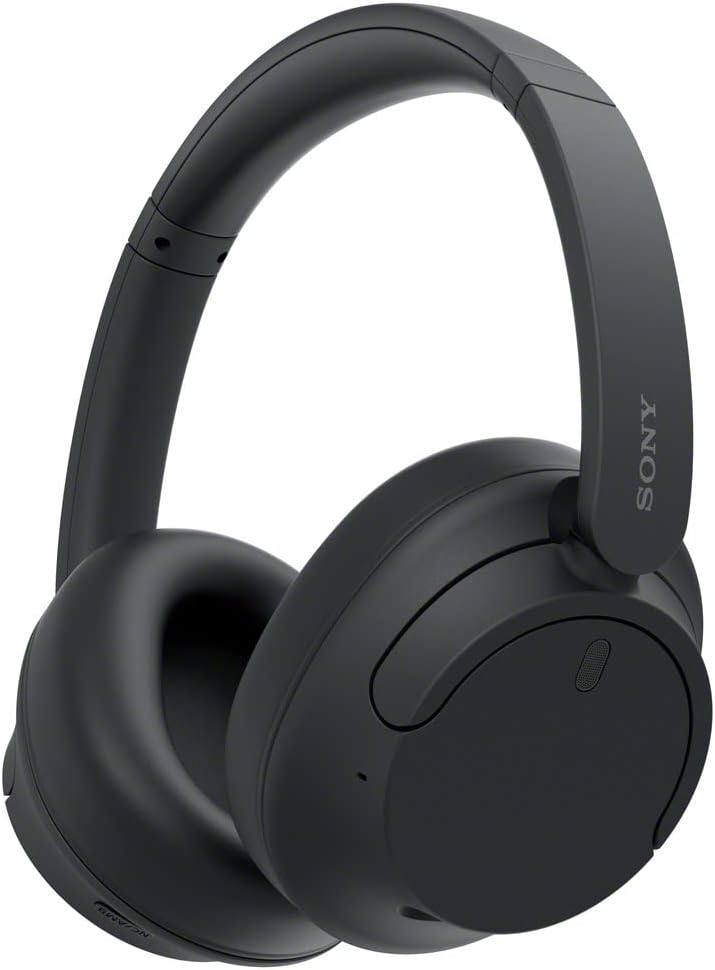
| 6Sony WH-CH720NSony | Best Budget | 4.4 | $$$ | Check Price |
| 7Apple AirPods Max (USB-C)Apple | Best for Travel | 4.5 | $$$ | Check Price |
Our top 7 picks, reviewed
Sony WH-1000XM6
The WH-1000XM6 is the most complete pair of headphones you can buy in 2026. Sony refined the already excellent XM5 with stronger noise cancellation, a foldable hinge that returns from the XM4, and a more natural tuning. Between its comfort, sound, and feature set, it is the easiest recommendation for most people who want one pair to do everything.
- Type
- Over-ear wireless
- ANC
- Yes
- Battery
- 30h
- Weight
- 254g
What we liked
- Class-leading noise cancellation
- Refined balanced sound signature
- Excellent call clarity
- Foldable travel-friendly design
Worth noting
- Premium price
- No high-res wired audio without dongle
Bose QuietComfort Ultra (2nd Gen)
Bose remains the comfort and immersion king with the QuietComfort Ultra. Its cushioning is among the best in the category, and the spatial Immersive Audio mode adds a convincing sense of space to music and movies. If you value plush comfort and a wide soundstage over the longest battery life, this is the premium pick to beat.
- Type
- Over-ear wireless
- ANC
- Yes
- Battery
- 24h
- Weight
- 250g
What we liked
- Immersive spatial audio mode
- Plush all-day comfort
- Powerful adaptive ANC
- Premium materials and finish
Worth noting
- Shorter battery than rivals
- Immersive mode drains charge faster
Sennheiser Momentum 4
Audiophiles who want wireless convenience should start with the Momentum 4. Sennheiser delivers a warm, detailed sound that rewards careful listening, plus a marathon 60-hour battery that shames the competition. The ANC is good rather than great, but for pure music enjoyment this is one of the most satisfying wireless pairs around.
- Type
- Over-ear wireless
- ANC
- Yes
- Battery
- 60h
- Weight
- 293g
What we liked
- Outstanding 60-hour battery
- Rich detailed audiophile tuning
- Highly adjustable EQ app
- Comfortable for long listening
Worth noting
- Plain understated design
- ANC trails Sony and Bose
Sony WH-1000XM5
Now that the XM6 has launched, the previous flagship XM5 has become a tremendous value. It still offers near-best-in-class ANC, a clean and musical sound, and one of the best call setups in the category. Unless you specifically need the latest model, the XM5 delivers most of the experience for noticeably less money.
- Type
- Over-ear wireless
- ANC
- Yes
- Battery
- 30h
- Weight
- 250g
What we liked
- Flagship sound at a lower price
- Excellent noise cancellation
- Lightweight comfortable fit
- Great microphone for calls
Worth noting
- Does not fold flat
- Touch controls can be finicky
Audio-Technica ATH-M50x
A studio staple for good reason, the ATH-M50x delivers detailed, honest sound that producers and casual listeners alike rely on. The build is famously durable and the swappable cables make it practical for both desk and travel. There is no wireless or noise cancelling here, but the pure audio quality per dollar is hard to beat.
- Type
- Over-ear wired
- ANC
- No
- Battery
- N/A
- Weight
- 285g
What we liked
- Accurate detailed monitoring sound
- Tank-like build quality
- Three detachable cables included
- Strong isolation passively
Worth noting
- No wireless or ANC
- Clamp can feel tight at first
Sony WH-CH720N
The CH720N proves you do not need to spend flagship money to get capable wireless headphones. It is remarkably lightweight, has respectable noise cancellation, and benefits from Sony's app for EQ adjustments. The plastic build will not win awards, but for an everyday budget pair it punches well above its weight.
- Type
- Over-ear wireless
- ANC
- Yes
- Battery
- 35h
- Weight
- 192g
What we liked
- Surprisingly light and comfy
- Solid ANC for the price
- Long 35-hour battery
- Sony app support included
Worth noting
- Plastic build feels cheap
- Bass can sound boomy
Apple AirPods Max (USB-C)
For dedicated Apple users, the AirPods Max remain a uniquely integrated travel companion. The aluminum build feels luxurious, spatial audio is excellent for movies on a flight, and pairing across devices is effortless. They are heavy and the case is divisive, but within the Apple world nothing else feels this cohesive.
- Type
- Over-ear wireless
- ANC
- Yes
- Battery
- 20h
- Weight
- 385g
What we liked
- Seamless Apple ecosystem pairing
- Excellent spatial audio
- Premium aluminum build
- Strong adaptive transparency
Worth noting
- Heavy on the head
- Awkward case design
How to Choose the Best Headphones in 2026
Buying headphones used to be simple: you picked a brand you trusted, plugged them in, and listened. Today the category has exploded into wireless flagships, noise cancelling powerhouses, studio monitors, and budget all-rounders that all promise to be the best. The truth is that there is no single best pair for everyone, only the best pair for your ears, your habits, and your budget. This guide walks you through everything that actually matters so you can shop with confidence instead of guessing from a spec sheet.
We will cover the core decisions first, then dig into sound, comfort, features, and the practical details that separate a pair you tolerate from a pair you love. By the end you should know exactly what to prioritize and what to ignore.
Wired Versus Wireless
The first fork in the road is whether you want wires. Wireless headphones have become the default for most people, and for good reason: no cable to tangle, freedom to move, and increasingly excellent sound. The trade-off is that you have to keep them charged, the battery will eventually degrade after a few years, and the very best wireless sound still costs more than equivalent wired sound.
Wired headphones, by contrast, offer pure value. You get more sound quality per dollar because none of your money goes toward batteries, Bluetooth chips, or noise cancelling circuitry. They never run out of charge, they work the instant you plug them in, and good ones last a decade. The catch is the cable itself, which limits movement and can snag, plus the reality that many modern phones have dropped the headphone jack.
A good rule of thumb: if you mostly listen at a desk or in a quiet room and care most about sound, lean wired. If you commute, travel, or want to take calls hands-free, lean wireless. Plenty of people own one of each.
Understanding Sound Signature
Sound signature describes the overall tonal balance of a pair of headphones, and it matters more than almost any single spec. Headphones are tuned deliberately, and different tunings flatter different music and tastes.
- Balanced or neutral tunings aim to reproduce audio accurately, without exaggerating any range. Studio monitors and audiophile models tend toward this. They sound honest but can feel flat to listeners used to consumer tunings.
- Bass-forward or fun tunings boost the low end for impact and warmth. These are popular for hip-hop, electronic, and pop, and they tend to feel more exciting out of the box.
- Bright tunings emphasize treble for detail and air. They can sound crisp and open but become fatiguing or harsh on lower-quality recordings.
There is no objectively correct signature, only what you enjoy. If you listen mostly to bass-heavy genres, a warmer tuning will satisfy you more than a clinical one. Many modern headphones include an app with adjustable EQ, which lets you shift the signature toward your preference and is a genuinely useful feature worth looking for.
Comfort and Fit
Comfort is the most underrated factor in headphone shopping, and it is the one most likely to make you stop using an otherwise great pair. The best-sounding headphones in the world are useless if they give you a headache after an hour.
Three things drive comfort: clamping force, weight, and earcup design. Clamping force is how tightly the headphones grip your head. Too loose and they slide; too tight and they create pressure points around your temples and jaw. Weight matters for long sessions, where even an extra fifty grams becomes noticeable. Earcup design determines whether your ears sit inside the cushion or get pressed against the driver, which affects both comfort and sound.
Look for memory foam earpads, an even weight distribution, and a headband with adequate padding. Over-ear designs that fully surround the ear are generally the most comfortable for long listening because they avoid pressing directly on the ear cartilage. If you wear glasses, prioritize softer earpads, since stiff cushions can press the arms of your frames into your head.
Noise Cancellation and Isolation
Noise control comes in two flavors. Passive isolation is the physical blocking of sound by the earcups and pads, and it is always present to some degree on closed-back over-ear designs. Active noise cancellation, or ANC, uses microphones and electronics to generate an opposing sound wave that cancels low-frequency noise like engine drone and HVAC hum.
ANC is genuinely transformative for travel and commuting. It reduces the constant low rumble of planes, trains, and offices, which in turn lets you listen at lower, safer volumes and dramatically reduces listening fatigue. The best systems are nearly silent in their effect, while cheaper ones can introduce a faint pressure sensation or hiss.
If you spend significant time in noisy environments, prioritize ANC quality. If you listen mostly in quiet spaces, you can skip it entirely and redirect that money toward better sound or build. Also consider transparency or ambient mode, which uses the same microphones to pipe in outside sound so you can hear announcements or hold a conversation without removing the headphones.
Battery Life and Charging
For wireless models, battery life ranges enormously, from around twenty hours on some premium pairs to sixty hours on endurance champions. For most people, anything above thirty hours is plenty, since you charge between uses anyway. But if you travel frequently or forget to charge, a longer battery is genuine peace of mind.
Pay attention to two related features. Quick charging lets you get several hours of playback from just a few minutes plugged in, which is a lifesaver before a flight. Wired listening mode lets some headphones keep playing over a cable when the battery dies, while others go completely silent. If you cannot afford to be cut off mid-flight, confirm the headphones still work passively when drained.
Build Quality and Durability
Headphones live a hard life. They get stuffed into bags, dropped on desks, and yanked off in a hurry. Build quality determines whether yours survive a few years or fall apart in months.
Look at the headband hinges and the points where the earcups swivel, since these are the most common failure points. Metal reinforcement in the headband is a good sign of longevity. Replaceable earpads matter too, because pads wear out long before the rest of the headphones do, and being able to swap them extends the useful life considerably. Detachable cables on wired models are another durability win, since a frayed cable becomes a cheap replacement rather than a dead pair.
Microphone and Call Quality
If you take calls or join video meetings, the built-in microphone matters as much as the music performance. Many otherwise excellent headphones have mediocre microphones that make you sound distant or muffled to the other person. The best models use multiple microphones with beamforming to isolate your voice and suppress background noise.
If calls are a daily part of your life, read reviews specifically for microphone performance, since it rarely tracks with audio quality. A pair can sound fantastic for music and still be poor on calls, or vice versa.
Connectivity and Codecs
For wireless headphones, the Bluetooth codec affects audio quality and latency. Standard SBC works everywhere but is basic. AAC is common and good, especially on Apple devices. Higher-quality codecs like LDAC and aptX Adaptive deliver more detail and lower latency, but only if both your headphones and your phone support them.
Multipoint connection is an increasingly important feature that lets your headphones stay paired to two devices at once, such as a laptop and a phone, and switch automatically when a call comes in. If you juggle multiple devices throughout the day, prioritize multipoint, because it removes a constant small friction.
Matching Headphones to Your Use Case
The smartest way to choose is to start with how you will actually use them. A frequent flyer should prioritize noise cancellation, comfort, and battery life. A home listener focused on music should prioritize sound signature and can ignore ANC. A remote worker living on video calls should weight microphone quality and multipoint heavily. A gym-goer needs sweat resistance and secure fit, which usually points toward earbuds rather than over-ears.
Be honest about your habits rather than your aspirations. Many people buy audiophile headphones expecting to sit and listen attentively, then end up using them mostly for podcasts on the bus, where noise cancelling would have served them far better. Buy for the life you actually live.
Setting a Realistic Budget
Headphone value follows a curve of diminishing returns. The jump from a cheap pair to a solid mid-range pair around 100 to 150 dollars is dramatic and obvious to anyone. The jump from mid-range to flagship is real but subtler, and much of what you pay for at the top is noise cancellation, premium materials, and call quality rather than fundamentally better sound.
If your budget is tight, you can get genuinely excellent sound under 100 dollars, especially with wired models. If you want the full flagship experience with the best ANC and features, expect to spend 350 dollars or more. Most people are best served somewhere in the middle, where the value is highest.
Burn-In, Care, and Longevity
A common question among new headphone owners is whether burn-in is real. Burn-in refers to the idea that headphones sound different after many hours of use as the drivers settle. The effect, where it exists, is subtle and debated, and you should never buy a pair hoping it will transform with use. Judge headphones on how they sound out of the box, since that is how they will sound for the vast majority of their life.
Care matters far more than burn-in for long-term satisfaction. Store your headphones in their case rather than tossing them in a bag loose, where cables tangle and hinges get stressed. Wipe down earpads occasionally, since oils and sweat degrade the material over time. For wireless models, avoid leaving them at a full charge in a hot car, as heat is the enemy of lithium batteries. Small habits like these add years to the useful life of a pair.
When earpads eventually flatten or peel, replacing them is often possible and dramatically refreshes both comfort and sound. Many popular models have third-party replacement pads available cheaply, which is one more reason to favor headphones with a strong aftermarket. Treating your headphones as a long-term purchase rather than a disposable gadget changes how you shop and how much value you ultimately get.
Reading Reviews and Spec Sheets Critically
Spec sheets can mislead. A long battery figure means little if the headphones are uncomfortable, and an impressive driver size does not guarantee good sound, since tuning matters far more than raw hardware. The most useful information comes from reviews that describe the actual listening and wearing experience rather than reciting numbers.
When reading reviews, look for consistent themes across multiple sources. If many reviewers mention a tight clamp, a weak microphone, or a bass-heavy tuning, those observations are reliable. One-off complaints matter less. Pay special attention to reviews from people whose use case matches yours, since a frequent flyer and a home audiophile will value completely different things in the same pair. Approached this way, reviews become a powerful tool for predicting whether a pair will suit your life.
Final Thoughts
The best headphones for you come down to matching the right strengths to your real-world habits. Decide first between wired and wireless, then prioritize sound signature and comfort above flashy specs. Add noise cancellation if you spend time in noisy places, weight microphone quality if you take calls, and set a budget that respects the point of diminishing returns. Do that, and any of the picks on this list will serve you well for years. The goal is not the most expensive pair or the one with the longest spec sheet, but the pair you reach for every single day.
How we picked
We ranked each pair on sound signature and clarity, long-session comfort, build quality, and how much value it delivers at its price. We weighed real-world battery life and noise control for wireless models and factored in microphone quality for calls. Final rankings reflect the balance of performance and price rather than raw specs alone.
Frequently asked questions
What are the best headphones overall in 2026?
The Sony WH-1000XM6 is our top overall pick for 2026 thanks to its blend of class-leading noise cancellation, refined sound, and all-day comfort. It is the best single pair for most people who want one set of headphones to handle commuting, calls, and music.
Are wired headphones still worth buying?
Yes. Wired headphones like the Audio-Technica ATH-M50x deliver excellent sound for less money and never need charging. They are ideal for home listening, studio work, and anyone who prioritizes pure audio quality over wireless convenience.
How much should I spend on a good pair of headphones?
You can get excellent everyday headphones for around 100 to 150 dollars, while flagship wireless models run 350 to 450 dollars. Spending more mainly buys better noise cancellation, materials, and call quality rather than dramatically better core sound.
Do expensive headphones really sound better?
Up to a point. The jump from cheap to mid-range is dramatic, but past a few hundred dollars improvements become subtle and personal. Premium models often justify their price through comfort, build, and noise cancelling rather than raw sound.
Should I get noise cancelling headphones?
If you commute, travel, or work in a noisy space, noise cancelling is well worth it and reduces listening fatigue. If you mostly listen at home in a quiet room, you can save money by skipping ANC and putting that budget toward sound quality.