Best Headphones Under $100 in 2026
We may earn a commission from links on this page, at no extra cost to you. Learn more.
You do not need to spend flagship money to get genuinely great headphones in 2026. The under-100-dollar segment is packed with capable wireless and wired models that deliver strong sound, real comfort, and even useful noise cancellation. This roundup ranks the best headphones you can buy for less than 100 dollars. From budget ANC pairs to studio-grade wired classics, these seven prove that smart shopping beats a big budget every time.
Quick comparison
| Keyboard | Best for | Rating | Price | |
|---|---|---|---|---|
| 1Sony WH-CH720NSony | Best Overall | 4.5 | $$$ | Check Price |
| 2Audio-Technica ATH-M50xAudio-Technica | Best Wired Sound | 4.6 | $$$ | Check Price |
| 3Anker Soundcore Space OneAnker | Best Budget ANC | 4.4 | $$$ | Check Price |
| 4Audio-Technica ATH-M50xBT2Audio-Technica | Best Wireless Studio | 4.5 | $$$ | Check Price |
| 5JBL Tune 770NCJBL | Best Value Wireless | 4.4 | $$$ | Check Price |
| 6Sennheiser HD 560SSennheiser | Best for Audiophiles | 4.6 | $$$ | Check Price |
| 7Anker Soundcore Q30Anker | Best Budget Pick | 4.3 | $$$ | Check Price |
Our top 7 picks, reviewed
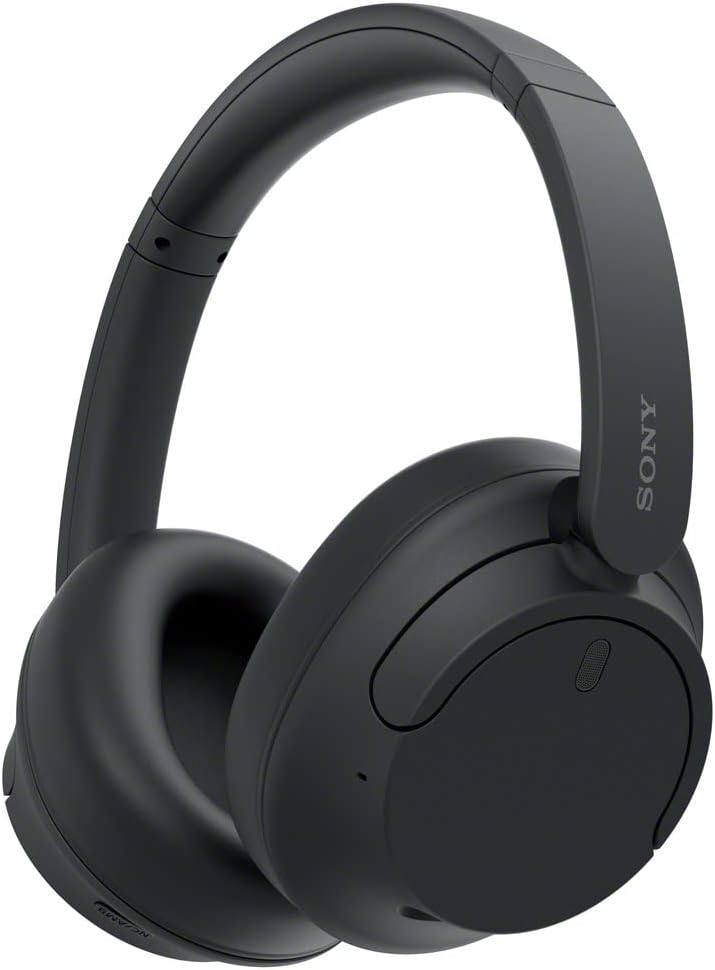
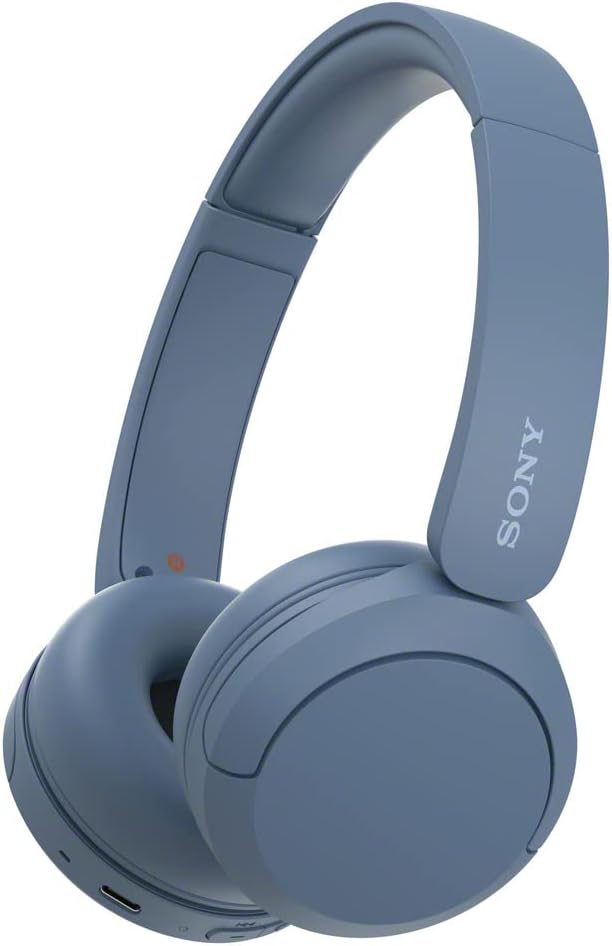
Sony WH-CH720N
The Sony WH-CH720N is the best all-rounder under 100 dollars. It packs usable noise cancellation, a long 35-hour battery, and Sony's excellent app into a remarkably lightweight design. The plastic build reveals its price, but the combination of ANC, comfort, and features at this cost is unmatched, making it our top budget pick.
- Type
- Over-ear wireless
- ANC
- Yes
- Battery
- 35h
- Weight
- 192g
What we liked
- Real noise cancellation under budget
- Very light and comfortable
- Long 35-hour battery
- Sony app with EQ
Worth noting
- Plastic build feels cheap
- Bass can sound loose
Audio-Technica ATH-M50x
If pure sound quality is your priority, the ATH-M50x is the best you can get near this budget. This studio classic delivers detailed, honest audio and tank-like durability that lasts for years. There is no wireless or noise cancelling, but the swappable cables add versatility and the audio quality per dollar is exceptional.
- Type
- Over-ear wired
- ANC
- No
- Battery
- N/A
- Weight
- 285g
What we liked
- Detailed accurate studio sound
- Durable proven build
- Three detachable cables
- Strong passive isolation
Worth noting
- No wireless or ANC
- Clamp tight at first
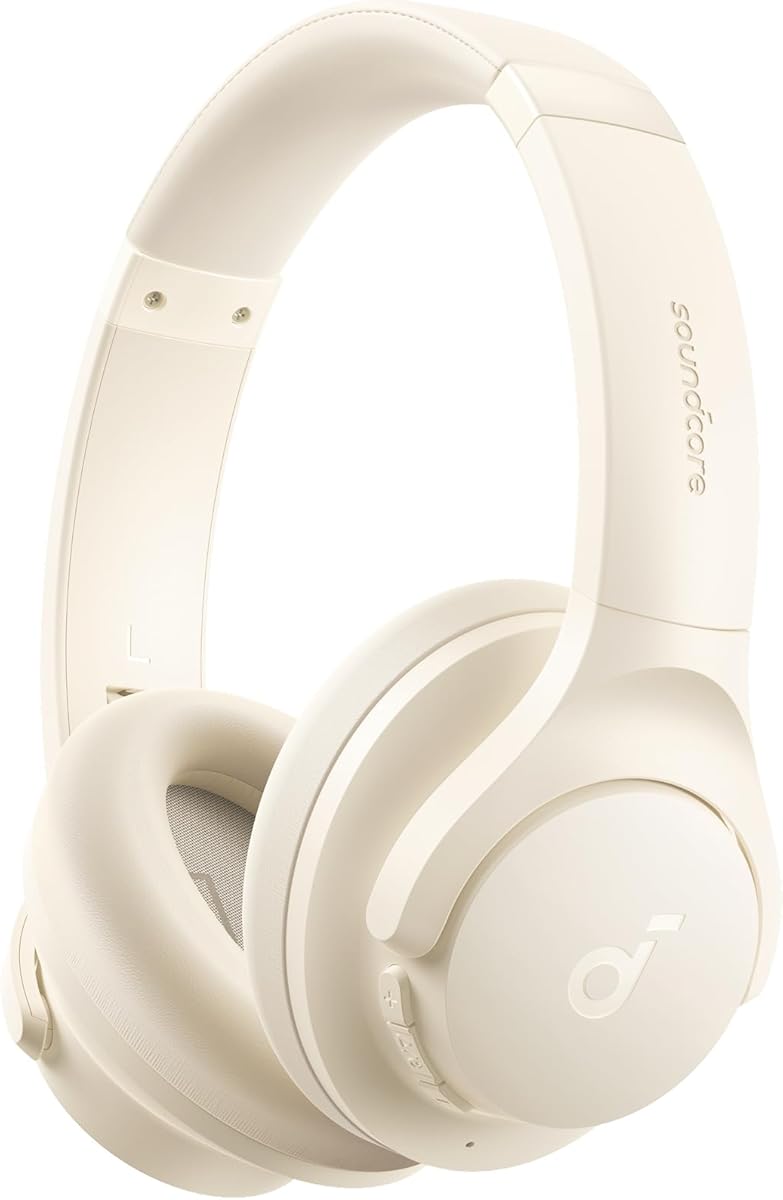
Anker Soundcore Space One
The Soundcore Space One offers the strongest noise cancellation you will find under 100 dollars. It quiets a good deal of commuting and office noise, lasts 40 hours, and stays comfortable thanks to its light weight. The sound is less polished than pricier rivals, but for affordable ANC it is the value leader in its class.
- Type
- Over-ear wireless
- ANC
- Yes
- Battery
- 40h
- Weight
- 265g
What we liked
- Strong ANC for the price
- Long 40-hour battery
- Comfortable lightweight fit
- Helpful companion app
Worth noting
- Sound lacks refinement
- Build feels plasticky
Audio-Technica ATH-M50xBT2
The wireless version of the famous M50x brings its detailed studio sound to Bluetooth with a huge 50-hour battery. It adds multipoint pairing and an app while keeping the durable, proven design. There is no ANC, but if you want the legendary M50x tuning without a cable, this is the value-packed way to get it.
- Type
- Over-ear wireless
- ANC
- No
- Battery
- 50h
- Weight
- 307g
What we liked
- Signature detailed M50x sound
- Massive 50-hour battery
- Multipoint pairing support
- Durable familiar build
Worth noting
- No noise cancellation
- Heavier than rivals
JBL Tune 770NC
JBL's Tune 770NC delivers adaptive noise cancellation, a marathon 44-hour battery, and a lively, fun sound at a very friendly price. It is light and comfortable for daily wear and benefits from JBL's customizable app. The default tuning leans bass-heavy, but you can tame it in software, making this a strong budget wireless option.
- Type
- Over-ear wireless
- ANC
- Yes
- Battery
- 44h
- Weight
- 220g
What we liked
- Effective adaptive ANC
- Very long 44-hour battery
- Fun energetic sound
- Comfortable lightweight fit
Worth noting
- Bass-heavy by default
- App can feel cluttered
Sennheiser HD 560S
For home listeners chasing audiophile sound on a budget, the open-back HD 560S is a remarkable bargain. It offers a wide, detailed soundstage and accurate tuning that rival far costlier headphones. The open design leaks sound and demands a quiet room, but for critical listening at the desk it delivers far more than its price suggests.
- Type
- Over-ear wired open-back
- ANC
- No
- Battery
- N/A
- Weight
- 240g
What we liked
- Spacious detailed soundstage
- Accurate reference tuning
- Lightweight comfortable fit
- Excellent audio value
Worth noting
- Open-back leaks sound
- Needs a quiet room
Anker Soundcore Q30
The Soundcore Q30 has long been a budget favorite, offering noise cancellation and a 40-hour battery at a rock-bottom price. The app provides plenty of EQ flexibility to tame its bass-heavy default tuning. The build is plain plastic, but for shoppers who want ANC and long battery for very little money, the Q30 remains a smart choice.
- Type
- Over-ear wireless
- ANC
- Yes
- Battery
- 40h
- Weight
- 260g
What we liked
- Surprising ANC at low cost
- Huge 40-hour battery
- Customizable app EQ
- Comfortable for the price
Worth noting
- Sound is bass-forward
- Plastic construction
How to Choose the Best Headphones Under $100
The under-100-dollar headphone market has matured into one of the most rewarding places to shop. A decade ago, a tight budget meant accepting mediocre sound and flimsy build. Today, you can get capable noise cancellation, marathon battery life, and sound quality that satisfies the vast majority of listeners, all without spending more than the cost of a few restaurant dinners. The trick is knowing where budget headphones cut corners and where they do not, so you can spend wisely and avoid the genuinely bad options that still exist. This guide explains exactly how to choose a great pair for under 100 dollars.
We will cover what to expect at this price, the trade-offs unique to budget shopping, and the practical factors that separate a smart buy from a disappointing one.
What to Expect Under $100
The first thing to understand is that under 100 dollars is no longer a compromise zone for sound. The core audio quality of good budget headphones now rivals what flagships offered just a few years ago. Where budget models differ is in the refinements: the materials feel less premium, the noise cancellation is less powerful, the call microphones are weaker, and the design is less polished. None of these are dealbreakers for most people, but knowing where the savings come from helps you set realistic expectations.
A reasonable goal at this price is a pair that sounds genuinely good, fits comfortably, and lasts a few years. You can absolutely achieve that. What you should not expect is flagship-level noise cancellation, luxury materials, or the best-in-class call quality reserved for headphones costing three or four times as much.
Wired Versus Wireless on a Budget
The wired versus wireless decision is even more consequential on a tight budget, because every dollar counts. Wired headphones deliver dramatically better sound per dollar, since none of your hundred dollars goes toward batteries, Bluetooth chips, or noise cancelling circuitry. A wired pair near this price can rival headphones costing several times as much in pure audio quality. They never need charging and they last for years.
Wireless headphones at this price spread your budget across more components, so the pure sound quality is lower than an equivalent wired pair. What you gain is convenience, battery, and sometimes noise cancellation. The good news is that budget wireless models often have excellent battery life, frequently 35 to 50 hours, because they skip the power-hungry processing of flagships.
The decision comes down to priorities. If you listen mostly at a desk and care most about sound, a wired pair offers unbeatable value. If you commute or want hands-free calls, the convenience of wireless is worth the slight sound trade-off. Many budget shoppers are happiest owning one of each.
Noise Cancellation at This Price
Noise cancellation has trickled down to the budget tier, and several models under 100 dollars now offer genuinely useful ANC. It will not silence a plane as completely as a flagship, but it meaningfully reduces the low-frequency drone of commuting, offices, and HVAC systems. For many people, budget ANC is more than good enough, and it dramatically reduces listening fatigue by letting you listen at lower volumes.
When shopping for budget ANC, manage your expectations. The cancellation will be less powerful and slightly less natural than premium systems, and you may notice a faint pressure sensation or hiss on the weakest implementations. Still, the best budget ANC pairs deliver a large share of the flagship experience for a fraction of the cost, which is remarkable value. If you do not need ANC, skipping it lets you put your budget toward better sound.
Sound Signature and EQ
Budget headphones, especially wireless ones, tend to ship with a bass-forward tuning out of the box. Manufacturers know that emphasized bass sounds exciting in a quick demo and appeals to popular genres, so they tune for impact. If you prefer a more balanced sound, this default can feel heavy or muddy.
The saving grace is that most budget wireless models include a companion app with EQ. This lets you reshape the sound to your taste, taming excess bass or boosting detail. A flexible EQ effectively lets you correct a tuning you do not like, which adds enormous value at this price. When comparing budget wireless options, an app with a good multi-band EQ is a real advantage. Wired audiophile models, by contrast, tend to ship with more neutral, accurate tunings out of the box.
Comfort and Build
Comfort does not have to suffer at a budget price, and many affordable headphones are surprisingly light and pleasant to wear. The same principles apply as with any over-ear: moderate clamping force, even weight distribution, and soft earpads. In fact, budget over-ears are often lighter than flagships because they use more plastic, which can make them comfortable for long sessions.
Build quality is where budget headphones most visibly cut corners. Expect more plastic and fewer premium materials, which is fine as long as the construction is solid. Inspect reviews for complaints about creaking, hinge failures, or earpads that flatten quickly. A pair that feels a bit plasticky but holds together for years is a far better buy than one that feels nice but cracks in months. Replaceable earpads, where available, extend the useful life considerably.
Battery Life for Budget Wireless
One pleasant surprise of budget wireless headphones is their often excellent battery life. Because they skip the power-hungry adaptive processing of flagships, many budget models last 35 to 50 hours per charge, easily covering a week of casual listening between top-ups. This is one area where budget buyers frequently come out ahead of flagship owners.
Look for quick charging if you can find it, since a few minutes on the cable yielding hours of playback is a genuine convenience. Also confirm whether the headphones can play passively over a cable if the battery dies, which adds peace of mind for travel.
Call Quality and Microphones
Call quality is one area where budget headphones most often fall short. The microphones tend to be weaker, so you may sound more distant or muffled to the person on the other end, especially in noisy environments. If you take a lot of calls or live on video meetings, this is worth investigating before you buy, since microphone quality does not track with music performance.
If calls are a daily priority, read reviews that specifically test the microphone, and consider that this is one area where spending a little more can genuinely pay off. If you rarely take calls, you can safely ignore microphone quality and focus your budget on sound and comfort instead.
Avoiding the Bad Options
While the budget tier has many excellent choices, it also contains genuinely poor ones, often from unknown brands with inflated specs and fake reviews. The way to avoid these is to stick with established brands that have a track record, like Sony, Audio-Technica, JBL, Sennheiser, and Anker's Soundcore line. These companies have reputations to protect and consistently deliver real value at the budget level.
Be skeptical of headphones with suspiciously perfect ratings, vague brand names, and specs that seem too good to be true at the price. A 40-hour battery and strong ANC for twenty dollars is a red flag, not a bargain. Reputable reviews and recognizable brands are your best protection against wasting money on something that looks good on paper but disappoints in person.
Where to Buy and When to Save More
Budget headphones go on sale frequently, and timing your purchase can stretch your money further. Major shopping events throughout the year regularly drop popular models well below their list price, sometimes bringing a pair that normally sits just above 100 dollars comfortably under it. If you are not in a hurry, watching prices for a few weeks often pays off. Reputable retailers and the manufacturer's own store are the safest places to buy, since gray-market sellers may offer no warranty support.
That said, there is a point where saving more becomes false economy. The cheapest no-name headphones often disappoint so badly that you end up buying twice, which costs more than a single good pair would have. The sweet spot under 100 dollars is a recognizable brand on sale, where you get real quality at a genuine discount. Buying the established pick at a good price beats gambling on an unknown to save a few extra dollars.
Matching the Pick to Your Use
The smartest budget shoppers buy for how they will actually use the headphones rather than for the longest feature list. A commuter benefits most from a wireless pair with noise cancellation and a long battery. A home listener focused on music gets far more from a wired pair with balanced, detailed sound. A remote worker on frequent calls should weight microphone quality, even if it means a slightly less impressive music performance.
Being honest about your real habits prevents overspending on features you will not use and underspending on the ones that matter to you. Many people buy budget headphones chasing a spec that sounds impressive, then discover the pair falls short on the thing they actually care about. At this price every dollar counts, so directing your limited budget toward your genuine priorities yields the most satisfying result.
Caring for Budget Headphones
Budget headphones reward a little care just as much as expensive ones, and good habits help them outlast their modest price. Store them in a pouch or case rather than tossing them in a bag, where cables tangle and plastic hinges take abuse. Wipe the earpads occasionally to remove oils and sweat, which break down the material over time. For wireless models, keep them away from heat and avoid storing them fully drained for long stretches.
When the earpads eventually flatten, check whether replacements are available, since a cheap pad swap can refresh comfort and sound on a budget pair. Treating an affordable pair as a multi-year purchase rather than a disposable accessory changes how much value you get from it. With basic care, a well-chosen pair under 100 dollars easily lasts several years of daily use.
Final Thoughts
Shopping for headphones under 100 dollars in 2026 is genuinely exciting, because the value on offer is better than ever. Decide first between wired and wireless based on whether you prioritize pure sound or convenience, then set realistic expectations about where budget models cut corners. Take advantage of app-based EQ to tune the sound, weight comfort and build durability heavily, and stick with established brands to avoid the bad options. Add noise cancellation if your environment demands it and check call quality if you take meetings. Get those fundamentals right and any pair on this list will give you flagship-rivaling enjoyment for a fraction of the price.
How we picked
We judged each affordable pair on sound quality, comfort, build, and how much value it delivers under 100 dollars. For wireless models we factored in battery life and any noise cancellation, while wired picks were judged on pure audio performance. Rankings reward the best overall package within a tight budget rather than chasing specs.
Frequently asked questions
What are the best headphones under 100 dollars in 2026?
The Sony WH-CH720N is our top pick under 100 dollars thanks to its blend of usable noise cancellation, long battery, light weight, and Sony's excellent app. It offers the most complete package for the money among budget wireless headphones.
Can you get good noise cancellation for under 100 dollars?
Yes. Models like the Anker Soundcore Space One and Sony WH-CH720N deliver genuinely useful noise cancellation that reduces commuting and office noise. It will not match 350-dollar flagships, but it meaningfully quiets the world for far less money.
Are wired or wireless headphones better value under 100 dollars?
Wired models like the Audio-Technica ATH-M50x deliver the best pure sound per dollar because no money goes toward batteries or Bluetooth. Wireless models add convenience, battery, and sometimes ANC, so the better value depends on whether you prioritize sound or features.
Do budget headphones sound noticeably worse than expensive ones?
The gap is smaller than you might expect. A good pair under 100 dollars delivers most of the core sound quality of pricier models. What extra money mainly buys is better noise cancellation, premium materials, and call quality rather than dramatically better sound.
How long do budget wireless headphones last on a charge?
Many budget wireless headphones actually have excellent battery life, often 35 to 50 hours per charge, since they skip the power-hungry processing of flagships. The picks on this list all offer long battery life that easily covers a week of casual listening.