Skip to content

Best Headphones for Running in 2026

4.4 average · hands-on tested
By Alexander DavidUpdated June 27, 20267 picks tested

We may earn a commission from links on this page, at no extra cost to you. Learn more.

Running headphones live a hard life. They have to stay put through sprints, survive sweat and rain, and ideally let you hear traffic and trail hazards. We tested the best running headphones of 2026 across road miles, treadmill sessions, and wet weather to find the most secure, reliable picks. From bone conduction sets to sport earbuds, these are the seven we trust on every run.

Quick comparison

KeyboardBest forRatingPrice
1Shokz OpenRun Pro 2ShokzBest Overall4.7$$$Check Price
2Soundcore AeroFit 2 ProSoundcoreBest Sport Earbuds4.4$$$Check Price
3Shokz OpenRunShokzBest Value Bone Conduction4.5$$$Check Price
4Shokz OpenFit 2ShokzBest Open-Fit Comfort4.4$$$Check Price
5Mojawa Run AirMojawaBest for Wet Conditions4.3$$$Check Price
6Bose Ultra OpenBoseBest Premium Open Ear4.3$$$Check Price
7JLab Flex OpenJLabBest Budget Open Ear4.3$$$Check Price

Our top 7 picks, reviewed

1Best Overall

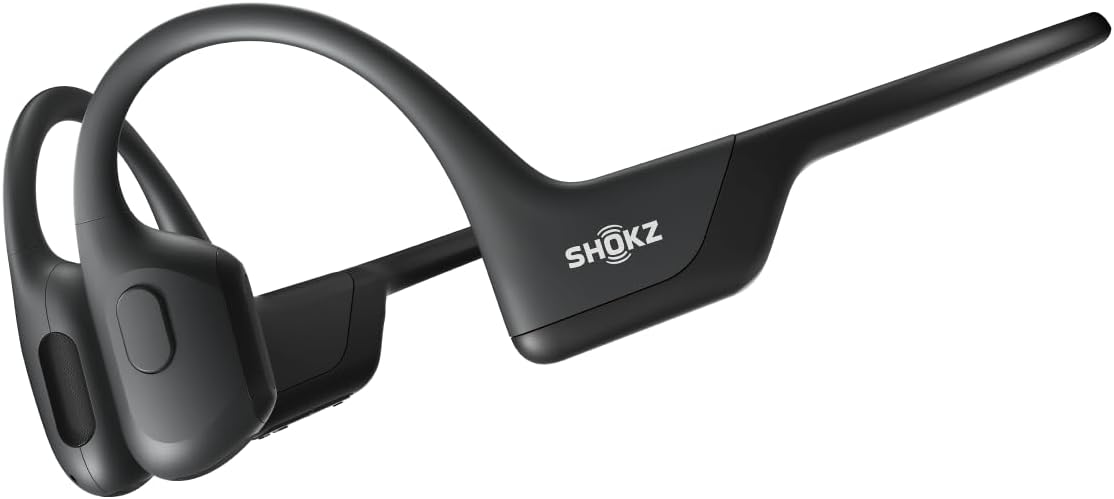
Shokz OpenRun Pro 2

The OpenRun Pro 2 is the running headphone we reach for most. Its bone conduction design leaves your ears completely open so you hear cars and trail hazards, while the wraparound band never budges. Shokz improved the bass noticeably over the original, so music sounds fuller. With IP55 protection and quick charging, it is ready for any run.

Fit
Bone conduction wraparound
Water
IP55
Battery
Up to 12 hours
Awareness
Full open ear

What we liked

  • Rock-solid wraparound fit
  • Ears stay fully open for safety
  • Improved bass over original
  • Quick charge for last-minute runs

Worth noting

  • Sound leaks at high volume
  • Not fully waterproof for swimming
2Best Sport Earbuds

Soundcore AeroFit 2 Pro

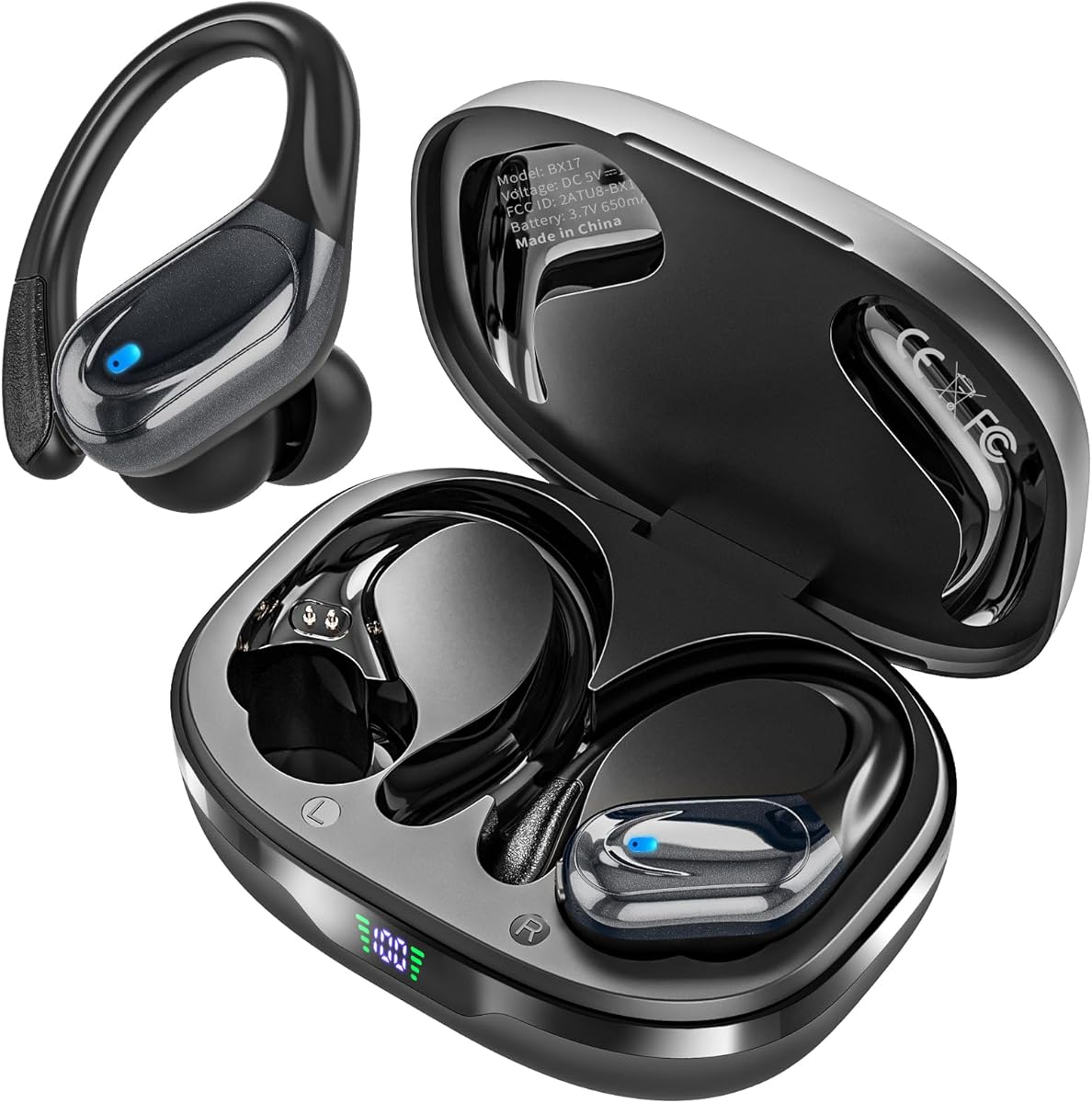
The AeroFit 2 Pro hangs just outside your ear canal, giving you fuller sound than bone conduction while keeping you aware of traffic. The flexible ear hooks lock in place even during sprints and plyometrics. Battery life is excellent, and the IP55 rating handles sweat and rain. It is our top pick for runners who want more low end.

Fit
Open-ear ear hook
Water
IP55
Battery
Up to 14 hours
Awareness
Open ear

What we liked

  • Comfortable ear-hook design
  • Big sound for an open-ear set
  • Long battery life
  • Stays secure through intervals

Worth noting

  • Bulkier than in-ear buds
  • Hooks may clash with glasses
3Best Value Bone Conduction

Shokz OpenRun

The standard OpenRun is the value champion of bone conduction. It carries a higher IP67 rating than the Pro 2, so it shrugs off heavy rain and sweat without worry. The fit is just as secure and the band just as light. If you want safe, open-ear running audio without spending much, this is the smart buy.

Fit
Bone conduction wraparound
Water
IP67
Battery
Up to 8 hours
Awareness
Full open ear

What we liked

  • Higher IP67 water resistance
  • Secure, lightweight band
  • Reliable and proven design
  • Great price for the category

Worth noting

  • Less bass than the Pro 2
  • Shorter battery life
4Best Open-Fit Comfort

Shokz OpenFit 2

Shokz moved to a true wireless ear-hook design with the OpenFit 2, and the result is incredibly comfortable. The buds rest gently on your ears with no canal pressure, ideal for runners who dislike anything inserted. Sound is fuller than bone conduction thanks to dedicated drivers. For long, comfortable miles, it is hard to beat.

Fit
Open-ear ear hook
Water
IP55
Battery
Up to 11 hours
Awareness
Open ear

What we liked

  • Featherlight, barely-there feel
  • Richer sound than bone conduction
  • Physical and touch controls
  • Comfortable for very long runs

Worth noting

  • Pricey for true wireless
  • Less stable than a wraparound band
5Best for Wet Conditions

Mojawa Run Air

The Mojawa Run Air is built for runners who do not let weather stop them. Its IPX8 rating means it survives downpours and even brief submersion. Bone conduction keeps your ears open for safety on slick, low-visibility routes. With surprisingly punchy bass for the category, it makes rainy runs far more enjoyable.

Fit
Bone conduction wraparound
Water
IPX8
Battery
Up to 8 hours
Awareness
Full open ear

What we liked

  • IPX8 rating handles full submersion
  • Solid bone conduction bass
  • Secure all-weather fit
  • Good awareness of surroundings

Worth noting

  • Sound leaks like most bone sets
  • App could be more polished
6Best Premium Open Ear

Bose Ultra Open

The Bose Ultra Open clips onto your ear like a piece of jewelry and delivers the best sound quality in the open-ear category. It keeps your ears fully open while producing surprisingly rich audio. The cuff design stays put through steady runs, though it is pricey. For style-conscious runners who want premium sound, it stands out.

Fit
Open-ear clip
Water
IPX4
Battery
Up to 7.5 hours
Awareness
Open ear

What we liked

  • Stylish cuff design
  • Impressive sound for open ear
  • Comfortable clip-on fit
  • Strong call quality

Worth noting

  • Premium price
  • Lower IPX4 water rating
7Best Budget Open Ear

JLab Flex Open

The JLab Flex Open proves you can go open ear on a tight budget. Its lightweight hooks stay secure through runs and keep your ears aware of surroundings. Battery life is solid and the controls are easy to use mid-stride. The sound will not wow audiophiles, but for safe, affordable running audio it delivers.

Fit
Open-ear ear hook
Water
IP55
Battery
Up to 9 hours
Awareness
Open ear

What we liked

  • Very affordable open-ear option
  • Lightweight and secure hooks
  • Decent battery life
  • Simple, reliable controls

Worth noting

  • Sound lacks low-end depth
  • Plastic build feels basic

How We Tested Running Headphones

Choosing headphones for running is different from choosing them for the gym or the office. On a run, fit and safety usually matter more than raw sound quality. A pair that sounds incredible but bounces loose after a mile, or that seals your ears so completely you cannot hear an approaching car, is the wrong tool for the job. With that in mind, we built our testing around the realities of running outdoors and on the treadmill.

We logged miles with each pair on pavement, on trails, and on the treadmill. Road and trail running let us judge how well each model handled head movement, foot strike vibration, and the unpredictable jostling of real exercise. We tested during sprints and interval sessions, when fit is stressed the most, and during long steady efforts, when comfort and battery endurance come to the front. We also ran in the rain and worked up a heavy sweat on purpose to check whether the advertised water resistance held up.

Awareness was a major focus. We ran near roads to confirm that open-ear and bone conduction models truly let us hear traffic, and we compared them against sealed earbuds to highlight the safety tradeoff. Finally, we fumbled with the controls mid-run, often with sweaty fingers, to see which were genuinely usable in motion and which required stopping. The result is a list built around how running headphones actually get used, not just how they perform on a spec sheet.

Open-Ear vs Bone Conduction vs In-Ear

The single biggest decision a runner faces is which style of headphone to buy. Each approach has clear strengths and weaknesses.

Bone conduction

Bone conduction headphones, like the Shokz OpenRun Pro 2 and OpenRun, sit on your cheekbones in front of your ears and send vibrations through the bone directly to your inner ear. Your ear canals stay completely open, so you hear everything around you. This makes them the safest option for running near traffic. The tradeoff is less bass and some sound leakage at high volume. Modern models have narrowed that gap considerably.

Open-ear earbuds

Open-ear earbuds, like the Soundcore AeroFit 2 Pro, Shokz OpenFit 2, and Bose Ultra Open, use small speakers that sit just outside your ear canal. They deliver fuller, more conventional sound than bone conduction while still keeping you aware of your surroundings. Most use an ear-hook or clip design for stability. They are an excellent middle ground for runners who want better audio without fully sealing their ears.

In-ear earbuds

Traditional in-ear buds seal the canal for the best bass and isolation. The downside for runners is obvious: they block ambient sound, which can be dangerous on roads. They make sense for treadmill running, where isolation is a benefit and there are no cars to worry about. For outdoor running, we lean toward open designs.

Why Fit and Stability Matter Most

A running headphone that does not stay put is useless, no matter how good it sounds. Every time you have to push a bud back into place or readjust a band, your run is interrupted and your focus broken. That is why fit stability sits at the top of our priorities.

Wraparound bands, as found on the Shokz and Mojawa bone conduction models, are the most secure design available. The band loops behind your head and over your ears, anchoring the headphone so firmly that even violent head movement will not dislodge it. Ear-hook designs like the Soundcore AeroFit 2 Pro and JLab Flex Open are nearly as stable, curling over the top of the ear to hold the bud in place. Clip-on designs like the Bose Ultra Open are stable enough for steady running but can feel less locked-in during all-out sprints.

When trying a new pair, test the fit before committing to long runs. Shake your head, jog in place, and check that nothing shifts. The right fit should feel secure enough that you forget the headphones are there, which is exactly what you want when your attention belongs on the road.

Sweat and Water Resistance Explained

Running generates a lot of sweat, and sweat is surprisingly corrosive to electronics. Add the possibility of rain, and water resistance becomes essential rather than optional. Manufacturers rate this with an IP code, and understanding it will help you choose wisely.

The number after IPX or IP refers to liquid protection. IPX4 means the device resists splashes and sweat from any direction, which is the minimum we recommend for running. IP55 adds protection against stronger jets of water and some dust, making it a safer bet for heavy sweaters and rainy climates. At the top end, IPX8 ratings like the one on the Mojawa Run Air mean the device can survive full submersion, so a sudden downpour is no concern at all. The Shokz OpenRun also stands out with an IP67 rating that handles both dust and immersion.

For most runners, IP55 strikes the right balance. If you train year round in wet weather or sweat heavily, lean toward IP67 or IPX8. Whatever you choose, rinse and dry your headphones after sweaty sessions to extend their life, since salt residue from dried sweat can degrade materials over time.

Battery Life and Charging for Runners

Battery anxiety is real when you are halfway through a long run and your music cuts out. Fortunately, the headphones on our list all offer enough endurance for a week of typical training. The Soundcore AeroFit 2 Pro leads with up to 14 hours, while the Shokz OpenRun Pro 2 delivers a comfortable 12. Even the shorter-lasting picks cover several runs between charges.

Just as important as total capacity is quick charging. The Shokz OpenRun Pro 2 can add a couple of hours of playback from just a few minutes on the charger, which is a lifesaver when you realize the battery is low right before heading out the door. Look for this feature if you are forgetful about charging.

One tip: battery life ratings assume moderate volume. If you run with the volume cranked up, especially with bone conduction sets that need more power to overcome ambient noise, expect somewhat shorter playback. Plan accordingly for your longest sessions.

Matching the Right Pick to Your Running

With seven strong options, the best choice depends on how and where you run.

For road runners who prioritize safety

The Shokz OpenRun Pro 2 is our top recommendation. Its completely open ears and rock-solid fit make it the safest companion for running near traffic, and the improved bass keeps music enjoyable.

For runners who want fuller sound

The Soundcore AeroFit 2 Pro or Shokz OpenFit 2 deliver richer audio than bone conduction while keeping you aware. Choose the AeroFit 2 Pro for stability and battery, the OpenFit 2 for featherlight comfort.

For wet-weather warriors

The Mojawa Run Air with its IPX8 rating, or the Shokz OpenRun with IP67, will laugh off rain that would worry lesser headphones.

For budget-conscious runners

The Shokz OpenRun or JLab Flex Open both offer safe, secure running audio at a friendly price. The OpenRun adds better water resistance, while the Flex Open is the cheapest entry point.

For style and premium sound

The Bose Ultra Open clips on like jewelry and sounds better than anything else in the open-ear category, if your budget allows.

Controls, Calls, and Connectivity on the Run

The best running headphones do more than play music, and the details of how you interact with them matter enormously when you are mid-stride and breathing hard. Fumbling with tiny touch controls, or stopping to pull out your phone, breaks your rhythm and your focus. We paid close attention to how each model handles controls, calls, and connectivity during real runs.

Physical buttons are generally superior to touch controls for running. With sweaty fingers and bouncing motion, capacitive touch panels often misfire, registering a skip when you wanted a pause or ignoring your tap entirely. The Shokz bone conduction models use tactile buttons that you can find and press by feel without looking, which is exactly what you want when running. The Shokz OpenFit 2 cleverly offers both touch and physical controls, giving you the best of both worlds. When evaluating any running headphone, consider whether you can reliably operate it without breaking stride.

Call quality on the run is another practical consideration. Many runners take calls during easy efforts or use voice assistants to start a workout or send a quick message. Open-ear and bone conduction designs have an advantage here because the microphone sits near your face and the open design lets you hear your own voice naturally, making conversation feel less awkward. Wind is the enemy of running calls, so models with wind-reduction processing perform noticeably better outdoors. The Bose Ultra Open and Shokz models handle calls capably for a quick conversation, though no running headphone matches a dedicated office headset for clarity.

Connectivity reliability also affects the experience. A stable Bluetooth connection prevents the dropouts and stutters that ruin a run, especially if you carry your phone in an armband or pocket where your body can block the signal. Multipoint pairing, available on some models, lets you stay connected to both your phone and a smartwatch. If you run with a watch and leave your phone at home, check that the headphone pairs cleanly with your watch and stores or streams music from it. Some runners prefer headphones with onboard storage so they can leave every device behind. Whatever your setup, test the connection on a few runs before relying on it for a long effort, since a dropout three miles from home is a frustrating way to discover a weak link.

Final Thoughts

Running headphones in 2026 strike a smart balance between safety, sound, and durability. The best options keep your ears open so you stay aware of your surroundings, lock in with a secure fit that survives sprints, and shrug off sweat and rain. Our overall winner, the Shokz OpenRun Pro 2, nails all three priorities, but every pick here has a clear use case. Decide whether you value awareness, sound quality, weather resistance, or price, and let that guide your choice. With the right pair on, you can focus entirely on the run ahead.

How we picked

We ran with each pair across pavement, trail, and treadmill to evaluate fit stability, awareness, and comfort. We checked sweat and water resistance ratings against real wet-weather use and timed battery life. Controls and call quality were tested mid-run with sweaty hands.

Frequently asked questions

Are open-ear or in-ear headphones better for running?

Open-ear and bone conduction designs are safer because they let you hear traffic and trail hazards. In-ear buds offer better sound isolation and bass but block awareness, so the right choice depends on where you run.

What water resistance rating do I need for running?

Look for at least IPX4 to handle sweat and light rain. IP55 or higher is better for heavy sweat and downpours, and IPX8 like the Mojawa Run Air survives full submersion.

Will running headphones fall out during sprints?

A secure fit matters most. Wraparound bands like the Shokz OpenRun Pro 2 and ear-hook designs like the Soundcore AeroFit 2 Pro stay put far better than loose in-ear buds during intense efforts.

How does bone conduction sound compared to regular headphones?

Bone conduction has less bass and can leak sound at high volume, but it keeps your ears completely open for safety. Newer models like the OpenRun Pro 2 have improved bass noticeably.

How long should running headphones last on a charge?

Most picks here last 8 to 14 hours, easily covering a week of training. Quick-charge features like those on the OpenRun Pro 2 add hours from a few minutes of charging before a run.