Best Headphones for Kids in 2026
We may earn a commission from links on this page, at no extra cost to you. Learn more.
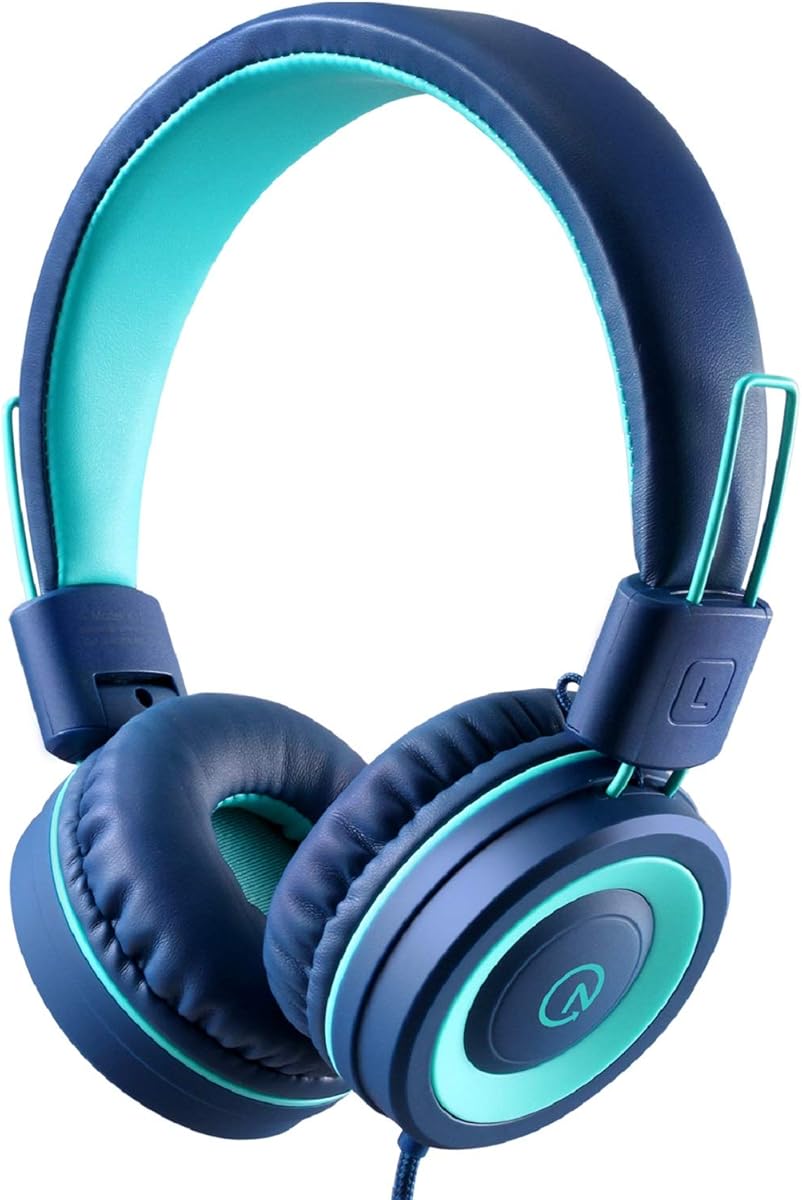
Protecting young ears while keeping kids entertained is a delicate balance, and the right headphones make all the difference. The best headphones for kids in 2026 cap the volume at safe levels, survive drops and tugs, and fit small heads comfortably. We tested wired and wireless options built specifically for children of different ages. Below are the seven safest, most durable, and most kid-friendly picks we found.
Quick comparison
| Keyboard | Best for | Rating | Price | |
|---|---|---|---|---|
| 1Puro Sound Labs BT2200Puro Sound Labs | Best Overall | 4.6 | $$$ | Check Price |
| 2BuddyPhones Play PlusBuddyPhones | Best for Travel | 4.5 | $$$ | Check Price |
| 3JLab JBuddies StudioJLab | Best Wired Value | 4.4 | $$$ | Check Price |
| 4LilGadgets Connect PlusLilGadgets | Best for Toddlers | 4.4 | $$$ | Check Price |
| 5iClever BTH12iClever | Best Wireless Value | 4.3 | $$$ | Check Price |
| 6Belkin SoundForm MiniBelkin | Best Budget | 4.3 | $$$ | Check Price |
| 7Puro Sound Labs JuniorJamsPuro Sound Labs | Best Premium Pick | 4.5 | $$$ | Check Price |
Our top 7 picks, reviewed
Puro Sound Labs BT2200
The Puro BT2200 is the gold standard for kids headphones, pairing a strict 85 dB limit with genuinely good audio. Unlike many children's models, music sounds clear and full rather than tinny, which keeps kids from craving more volume. The build feels premium with metal reinforcement that survives daily abuse. For parents who want safety without sacrificing quality, this is the top choice.
- Type
- Over-ear wireless
- VolumeLimit
- 85 dB
- Fit
- Adjustable child
- Wireless
- Yes
What we liked
- Studio-grade volume-limited sound
- Sturdy aluminum reinforced build
- Comfortable cushioned earcups
- Solid wireless battery life
Worth noting
- Higher price than rivals
- May be large for toddlers
BuddyPhones Play Plus
BuddyPhones Play Plus is a travel favorite thanks to its foldable design and clever three-level volume control. The boldest mode tops out at a study-friendly limit while still allowing safe listening on noisy planes. Kids love the personalized stickers, and the detachable BuddyCable lets multiple children share one device. It is a flexible, affordable pick for families on the move.
- Type
- Over-ear wireless
- VolumeLimit
- 75/85/94 dB modes
- Fit
- Foldable child
- Wireless
- Yes
What we liked
- Three selectable volume modes
- Foldable and travel-friendly
- Fun colorful sticker designs
- Detachable cable for sharing
Worth noting
- Plastic build feels light
- Buttons small for tiny hands
JLab JBuddies Studio
The JLab JBuddies Studio is a dependable wired pick that keeps things simple and cheap. A hardware volume cap holds output at a safe level no matter what the source device tries to push. The folding frame and share jack make it ideal for classrooms and long car rides. For parents wanting basic, durable protection without wireless complexity, it delivers.
- Type
- Over-ear wired
- VolumeLimit
- 85 dB
- Fit
- Adjustable folding
- Wireless
- No
What we liked
- Very affordable price
- Folds compact for backpacks
- Built-in volume governor
- Share port for a second listener
Worth noting
- No wireless option in this model
- Sound is functional not rich
LilGadgets Connect Plus
LilGadgets Connect Plus is tuned for younger kids with an extra-soft headband and a smaller, gentle fit. The SharePort lets several headphones daisy-chain off one tablet, perfect for siblings watching together. A flat, tangle-resistant cable holds up to toddler handling. It is a comfortable, affordable option for the preschool and early-elementary crowd.
- Type
- Over-ear wired
- VolumeLimit
- 85/93 dB
- Fit
- Small soft band
- Wireless
- No
What we liked
- Plush comfortable headband
- SharePort daisy chaining
- Tangle-free flat cable
- Sized for younger children
Worth noting
- Wired only design
- Higher mode louder than 85 dB
iClever BTH12
The iClever BTH12 offers strong wireless value with three switchable volume limits and fun glowing light strips kids adore. Battery life stretches well past a long road trip, and a wired mode keeps the music going if it runs flat. The adjustable band fits a wide range of head sizes as children grow. It is a crowd-pleasing budget wireless option.
- Type
- Over-ear wireless
- VolumeLimit
- 74/85/94 dB modes
- Fit
- Adjustable child
- Wireless
- Yes
What we liked
- Three volume safety levels
- Long wireless battery life
- Built-in LED light strips
- Wired backup mode included
Worth noting
- Light flashing drains battery
- Mic quality is basic
Belkin SoundForm Mini
Belkin brings its reputation for solid accessories to the SoundForm Mini, a no-fuss wireless pair with a fixed 85 dB cap. It is light and comfortable for everyday use, with a built-in mic for video chats with family. Wired and wireless flexibility covers any situation. For parents who want a dependable name brand on a budget, this is a safe bet.
- Type
- Over-ear wireless
- VolumeLimit
- 85 dB
- Fit
- Lightweight child
- Wireless
- Yes
What we liked
- Trusted brand reliability
- Lightweight comfortable design
- Built-in mic for calls
- Wired and wireless modes
Worth noting
- Simple plastic construction
- No volume mode switching
Puro Sound Labs JuniorJams
The Puro JuniorJams brings the brand's safety pedigree to a foldable on-ear design aimed at older kids. The 85 dB limit is enforced reliably, and a stackable connector lets several headphones share one device. The metal-reinforced frame folds down for backpacks and survives rough handling. It is a premium choice for families who value durability and proven hearing protection.
- Type
- On-ear wireless
- VolumeLimit
- 85 dB
- Fit
- Foldable adjustable
- Wireless
- Yes
What we liked
- Strict volume protection
- Stackable sharing connector
- Durable folding metal frame
- Long battery between charges
Worth noting
- On-ear fit less isolating
- Premium pricing
How We Chose the Best Headphones for Kids
Picking headphones for children is fundamentally about safety first and everything else second. Young ears are more vulnerable to noise-induced hearing damage than adult ears, and unlike adults, kids will happily crank the volume to its maximum if a device lets them. That single fact drives the entire category. Every product in this roundup was selected primarily for how reliably it limits volume, how well it survives the rough handling that is inevitable with children, and how comfortably it fits a smaller head over long stretches of watching and listening.
We approached testing the way a parent actually uses these products. That meant handing them to children of different ages, watching how the headphones held up to being dropped, yanked by the cable, and stuffed into backpacks. We measured the actual output of each volume-limited model to confirm the marketing claims, checked how the controls work for small hands, and evaluated comfort over the kind of multi-hour tablet sessions that happen on long trips. The result is a list built around real family use rather than spec sheets.
Why Volume Limiting Matters So Much
The single most important feature in any kids headphone is a reliable volume cap. Hearing damage from loud audio is cumulative and permanent, and it can begin earlier than many parents realize. The widely cited safe ceiling for extended listening is 85 decibels, and every model in this roundup enforces a limit at or near that level. Crucially, the best ones enforce it in hardware, meaning the cap holds no matter what volume the connected phone or tablet tries to send.
There is an important nuance worth understanding. Some headphones, like the BuddyPhones Play Plus and iClever BTH12, offer multiple volume modes, including a higher setting around 94 dB intended only for noisy environments such as airplanes. That louder mode should be used sparingly and for short periods, because sustained listening at that level is not safe. For everyday use at home or in the car, keep children on the 75 or 85 dB setting. The Puro models stand out for enforcing a strict single limit, which removes the temptation to switch modes entirely.
Durability Saves Money and Headaches
Children are tough on their belongings, and headphones are no exception. They get dropped on hard floors, sat on, swung by the cable, and crammed into bags with snacks and toys. A flimsy pair that cracks within a month is no bargain, no matter how cheap it was. We weighted durability heavily, favoring models with reinforced headbands, flexible joints, and tangle-resistant flat cables.
The metal-reinforced frames on the Puro BT2200 and JuniorJams set the bar for ruggedness, which helps justify their higher prices over the long run. Folding designs like those on the JLab JBuddies and BuddyPhones add another layer of protection, tucking the earcups away so they are less exposed in a backpack. Flat, tangle-free cables on wired models such as the LilGadgets Connect Plus resist the knots and yanks that destroy ordinary round cords. When a headphone survives years instead of months, the higher upfront cost quickly pays for itself.
Comfort and Fit for Smaller Heads
A headphone that does not fit a child properly will not be worn, and one that is uncomfortable encourages kids to push the earcups around in ways that can let in noise and tempt them to raise the volume. Fit is therefore both a comfort and a safety issue. The challenge is that children's heads vary enormously in size, and a band sized for a ten-year-old will swim on a toddler.
For the youngest children, look for a smaller, lighter design with a soft, well-padded headband. The LilGadgets Connect Plus is specifically tuned for this group, with a plush band and a gentle fit. As kids grow, an adjustable band becomes essential so the same pair can keep up. Over-ear cups, like those on the Puro BT2200, tend to distribute pressure comfortably and seal out external noise, which naturally encourages lower volume. On-ear designs such as the JuniorJams are lighter and more portable but isolate less, making them better suited to older kids who can manage their own listening levels.
Wired Versus Wireless for Kids
The choice between wired and wireless comes down to your child's age, your budget, and how the headphones will be used. Wired models like the JLab JBuddies and LilGadgets Connect Plus are simpler, cheaper, and never run out of battery, which makes them ideal for classrooms, younger children, and parents who want zero fuss. They also commonly include a share port, letting two children listen from one tablet, a feature that is genuinely useful on road trips.
Wireless models such as the Puro BT2200, BuddyPhones Play Plus, and iClever BTH12 free kids from cables, which means fewer tangles and less risk of a yanked tablet. The trade-offs are the need to keep them charged and a somewhat higher price. Many wireless kids headphones, including the iClever and Belkin, also include a wired backup mode, giving you the best of both worlds. For most families with school-age children, a wireless pair with a wired fallback hits the sweet spot.
Useful Extra Features Worth Considering
Beyond the core trio of safety, durability, and fit, a few extras can meaningfully improve the experience. Sharing ports, sometimes branded as SharePort or BuddyCable, let multiple headphones connect to a single device so siblings can watch a movie together without arguments. The LilGadgets and BuddyPhones models excel here, and the Puro JuniorJams uses a stackable connector for the same effect. On a long car ride, this single feature can preserve a lot of family peace.
Foldability is another practical bonus, shrinking the headphones to fit small backpacks and protecting the earcups in transit. Built-in microphones, found on the Belkin SoundForm Mini and others, enable video calls with grandparents and remote learning sessions. Fun cosmetic touches like the customizable stickers on BuddyPhones or the glowing light strips on the iClever BTH12 are not essential, but they do make kids more excited to actually wear their hearing protection, which is a meaningful win.
Matching the Headphone to Your Child
The right pick depends on your child's age and your priorities. For the best all-around combination of safety and sound, the Puro Sound Labs BT2200 is our top recommendation, delivering excellent audio within a strict 85 dB limit and a build that lasts. Families who travel frequently will appreciate the foldable, mode-switching BuddyPhones Play Plus, while budget-focused parents can rely on the JLab JBuddies or Belkin SoundForm Mini for solid protection at a low price.
Younger children are best served by the soft, smaller LilGadgets Connect Plus, which is sized and padded for little ones. For wireless freedom on a budget, the iClever BTH12 brings three volume modes and long battery life with fun lighting. Older kids who want something more portable and premium will enjoy the foldable on-ear Puro JuniorJams. Whichever you choose, the common thread across every pick is a firm commitment to protecting young hearing.
Setting Healthy Listening Habits
A great pair of volume-limited headphones is only part of the equation, because building healthy listening habits early matters just as much as the hardware. Even at a safe 85 decibels, listening for very long uninterrupted stretches is not ideal, and many audiologists recommend the principle of taking regular breaks. A simple guideline some families adopt is to pause listening periodically so the ears get a rest, which is easy to build into screen-time routines that most households already have. Framing headphone use as something with natural stopping points helps children internalize moderation rather than treating audio as an always-on background.
It also helps to involve children in understanding why the limits exist. Older kids in particular respond well to a brief, age-appropriate explanation that loud sounds can quietly harm their hearing over time and that the limit is there to protect something they cannot get back. Turning the volume cap from a restriction into a feature they understand reduces the temptation to seek out workarounds, such as borrowing an adult pair of headphones. The multi-mode models like the BuddyPhones Play Plus and iClever BTH12 offer a teaching opportunity here, since you can explain that the loudest mode is reserved only for noisy places like airplanes and used sparingly.
Parents should also be mindful that a child who frequently asks to turn the volume up may be doing so because the seal or fit is poor, letting in outside noise they are trying to overcome. This is one reason comfort and fit are safety features in disguise. A well-fitting over-ear pair that blocks ambient sound naturally lets a child listen comfortably at a lower volume, whereas a loose or uncomfortable pair invites them to compensate by turning things up. Checking the fit periodically as your child grows is a small habit that pays real dividends.
Cleaning, Care, and Hygiene
Kids headphones see heavy, messy use, so a little care goes a long way toward keeping them safe and pleasant to wear. Earpads in particular accumulate dirt, oils, and the occasional sticky snack residue, and they should be wiped down regularly with a slightly damp cloth. Many models, including several Puro and JLab options, use replaceable earpads, which is a genuine advantage because worn or grimy cushions can be swapped out cheaply rather than forcing a whole new purchase. Keeping a spare set on hand is a smart move for the most-used pair in the house.
Storage is the other half of good care. Encouraging children to put their headphones away in a case or a designated spot rather than leaving them on the floor dramatically reduces the chance of cracked hinges and stepped-on earcups. Folding models like the BuddyPhones Play Plus and JLab JBuddies make this easier because they collapse into a compact, protected shape. Teaching this habit early not only protects your investment but also reinforces the broader lesson of caring for one's belongings.
For wireless models, a simple charging routine prevents the frustration of a dead battery mid-trip. Building charging into a regular schedule, such as topping up overnight once a week, keeps the headphones ready when your child wants them. Because kids are not naturally inclined to monitor battery levels, models with very long battery life like the iClever BTH12 reduce how often this becomes an issue. A predictable routine combined with long-lasting hardware keeps wireless headphones reliable without requiring much thought from the child.
Final Thoughts
The most important takeaway is simple. Always choose a headphone with a real, enforced volume limit, and never assume a regular pair of adult headphones turned down a bit is good enough, because a curious child will inevitably turn it back up. The seven models here all put hearing protection first, then layer on the durability, comfort, and convenience features that make daily life with kids easier. Match the design to your child's age and your routine, set the appropriate volume mode, and you can hand over a tablet with genuine peace of mind.
How we picked
We assessed each pair on volume-limiting effectiveness, build durability, comfort on smaller heads, and ease of use for young children. Sound clarity, battery life on wireless models, and parent-friendly features like sharing ports were also scored. Safety and durability carried the most weight in our final rankings.
Frequently asked questions
What volume level is safe for kids headphones?
Experts generally recommend a limit of 85 decibels for extended listening, which most quality kids headphones enforce in hardware. Some models offer lower 75 dB modes for younger children and a higher mode for noisy environments.
Are wireless headphones safe for children?
Yes, Bluetooth headphones are considered safe for kids and many include the same volume limiting as wired models. The main trade-offs are battery management and a slightly higher price compared to wired options.
What age can a child start using headphones?
Most pediatric guidance suggests volume-limited headphones are fine from around age three, when children can communicate comfort and follow basic rules. For toddlers, choose a softer, smaller fit and supervise listening sessions.
Should I choose over-ear or on-ear for my child?
Over-ear models usually distribute pressure more comfortably and isolate noise better, which helps kids keep volume low. On-ear designs are lighter and more compact, making them a good travel choice for older children.
What features matter most for kids headphones?
Prioritize a hardware volume limit, a durable build that survives drops, and a comfortable adjustable fit. Bonus features like sharing ports for siblings and foldable designs add real everyday value.