Detailed review
Because these are passive speakers, you need an AV receiver or stereo amplifier with enough current for four- and eight-ohm loads. The ES20 is designed to stay friendly across that range, which matters if your receiver already drives a center and surrounds. Sensitivity is high enough that you do not need a heavyweight amp just to reach enjoyable levels for TV nights, yet the cabinets still reward cleaner amplification when you turn up orchestral peaks or open-world game scores.
Hi-Res Audio certification is more than a badge here if you stream high-bitrate files or use a capable Blu-ray player. The Dynamically Balanced array and precision crossovers aim for a wide sweet spot, so the sofa does not collapse into a single perfect seat. For Dolby Atmos and DTS:X systems, Polk positions the ES20 as a front, side, rear, or even elevation candidate depending on height and aiming. That versatility is rare at this size: many budget bookshelves sound fine as fronts but never quite match a full line.
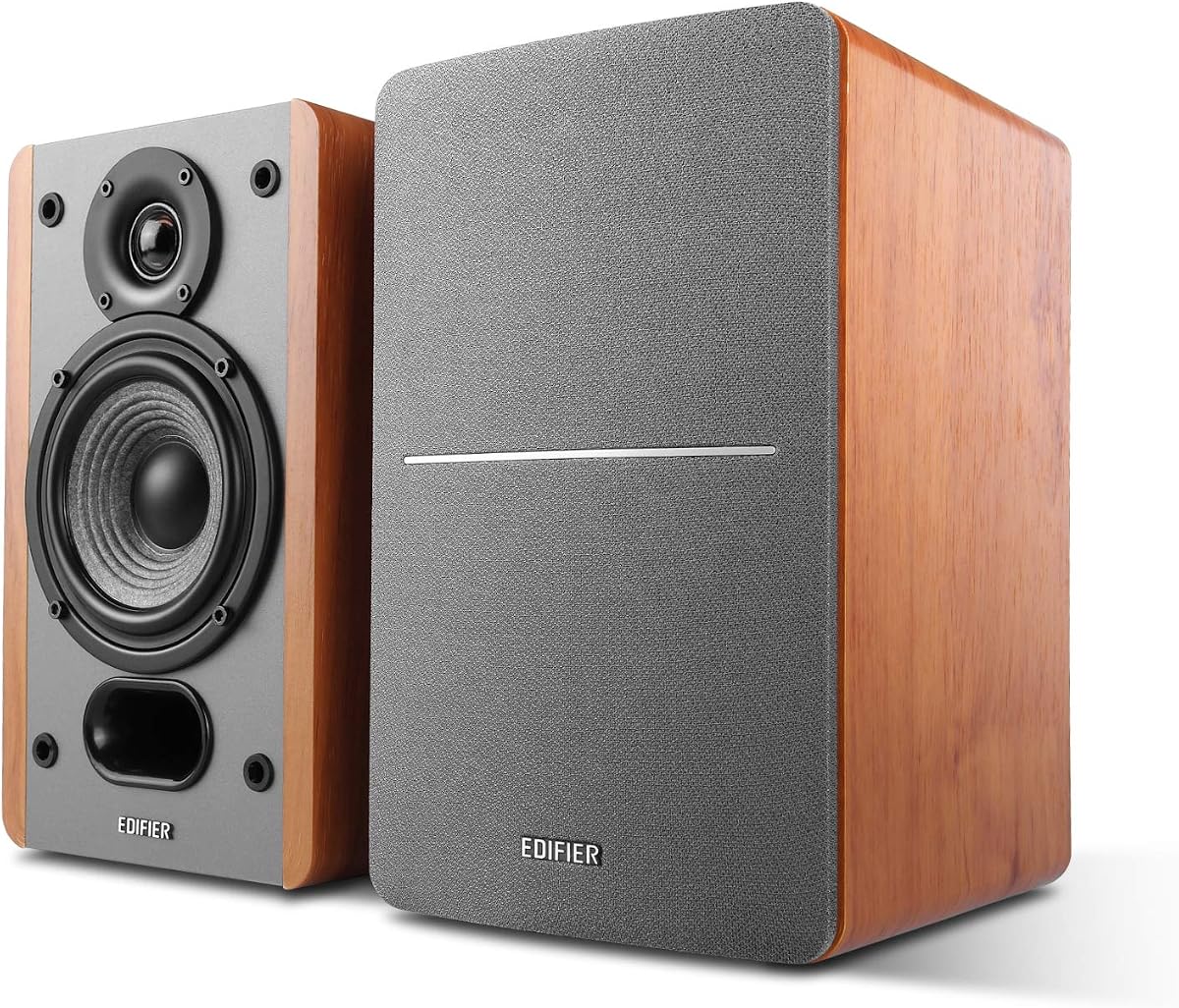
Build and finish lean contemporary walnut with a modern face that looks intentional on stands rather than apologetic on a cluttered shelf. Keyhole slots and screw inserts support wall mounting when floor stands are not an option. Detachable grilles keep pets and curious hands away from the drivers without permanently dulling the look. Still, these cabinets are physically larger than Micca’s RB42 or Edifier’s P12, so measure shelf depth and leave space behind rear ports if you place them against a wall.
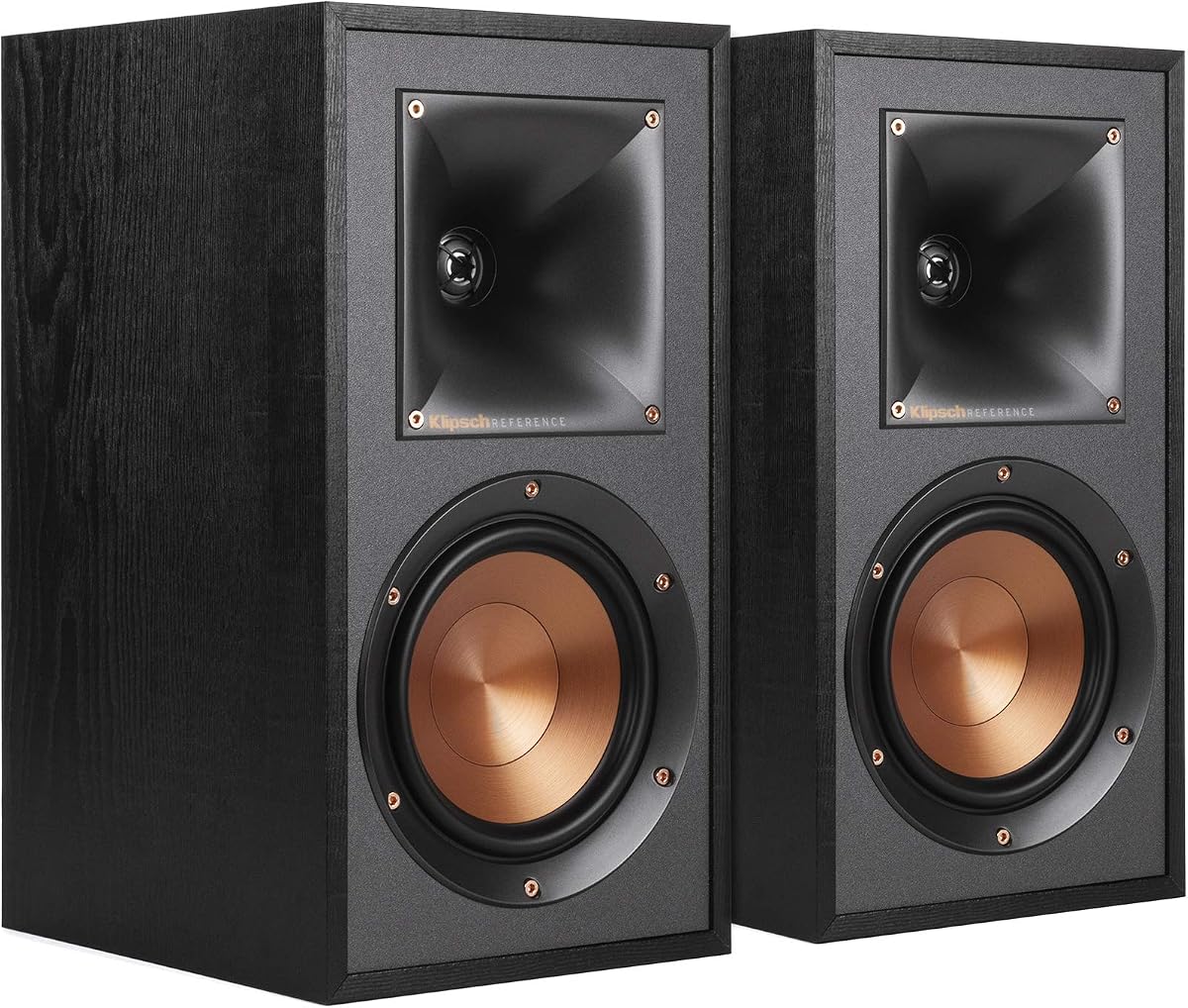
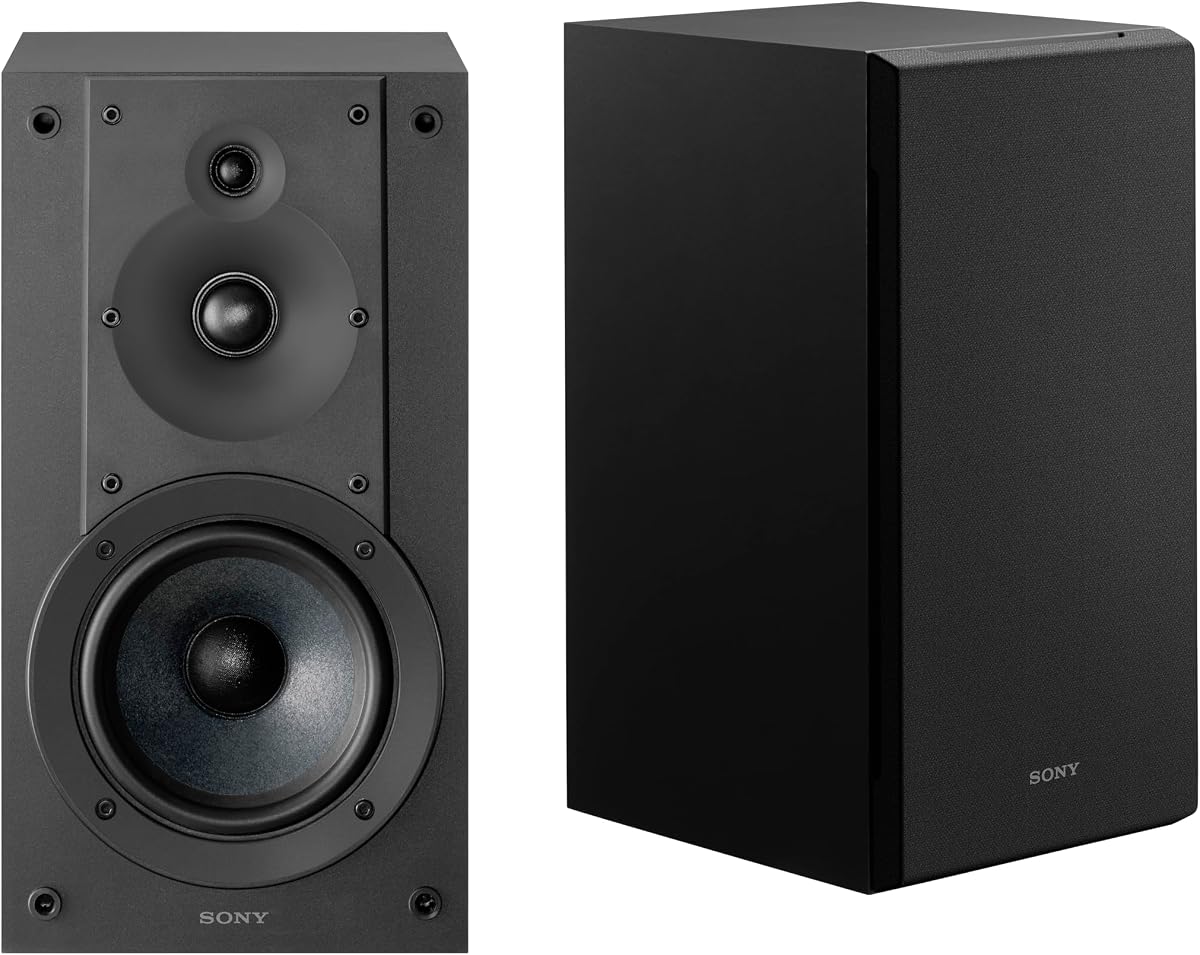
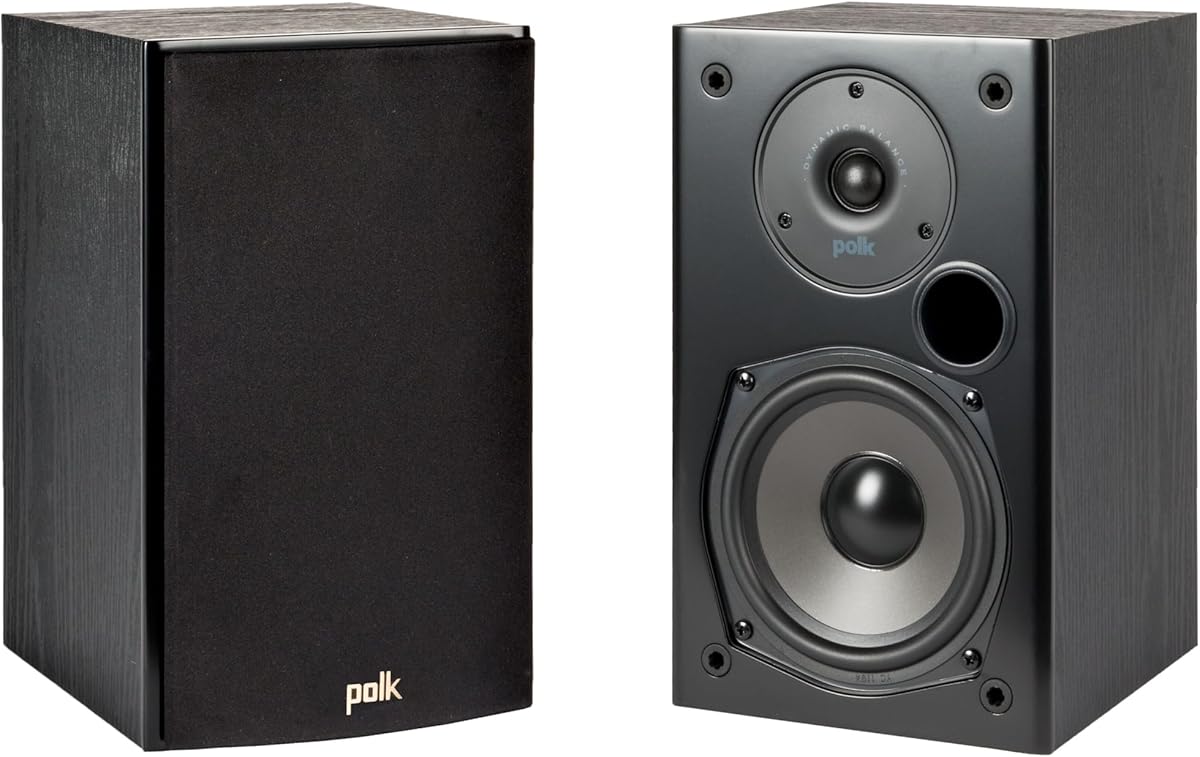
Compared with the Klipsch R-51M, the ES20 trades some horn sparkle and efficiency for a fuller low end and a more neutral long-listen treble. Against Sony’s SS-CS5M2, Polk offers bigger midbass and a clearer theater expansion story through Signature Elite towers and centers. Against Polk’s own T15, the ES20 is the clear step up in driver size, certification, and bass technology. If your room is small and you sit nearfield, a compact Micca may image tighter; if you want one pair that can grow with a 5.1 build, start here.
Setup advice is straightforward: bi-wire only if your amp and cables support it cleanly, otherwise run a solid 14- or 16-gauge pair, place the speakers at ear height, and toe them in until vocals lock center. Add a subwoofer crossed around eighty hertz for action movies. Once that foundation is set, the ES20 sounds like a grown-up stereo front that does not embarrass itself when you later add matching surrounds.
Who should choose the ES20
Pick the Signature Elite ES20 if you want one passive pair for both critical music nights and expandable home theater. Listeners with medium living rooms, existing AV receivers, and plans to add a center or sub will get the most from Power Port bass and Hi-Res treble. Skip them only if your shelves cannot fit a six-and-a-half-inch bookshelf or you need something under four inches deep for a shallow ledge.
Amplifier and placement notes
Pair the ES20 with a modern AV receiver that is stable into four ohms or a stereo integrated amp with honest power ratings. Give rear ports a few inches of clearance, or use stands to pull them into the room. Wall mounting works for surrounds and height channels, but fronts usually sound more open on stands with the tweeters near ear level.
How it compares in this roundup
Among pack products, the ES20 is the safest all-rounder: more bass authority than the Klipsch R-51M and Micca RB42, more theater polish than the Polk T15, and a clearer upgrade family than value three-ways like Saiyin or Pyle. Sony’s SS-CS5M2 remains the better pick only when cabinet size or a three-way compact design is the priority.