On-Ear vs Over-Ear vs In-Ear
On-ear headphones rest on the pinnae rather than encircling the ear like over-ears or sealing inside the canal like in-ears. That geometry trades some isolation and bass extension for lighter weight and better heat dissipation—why commuters in warm climates often prefer on-ears for walks but switch to over-ears for winter flights.
If you need maximum noise blocking for open offices or long-haul travel, over-ear ANC models outside this on-ear-focused pack may serve better. If pocket portability dominates, earbuds win. On-ears fit when you want a headband soundstage without over-ear bulk.
Wireless Battery Expectations
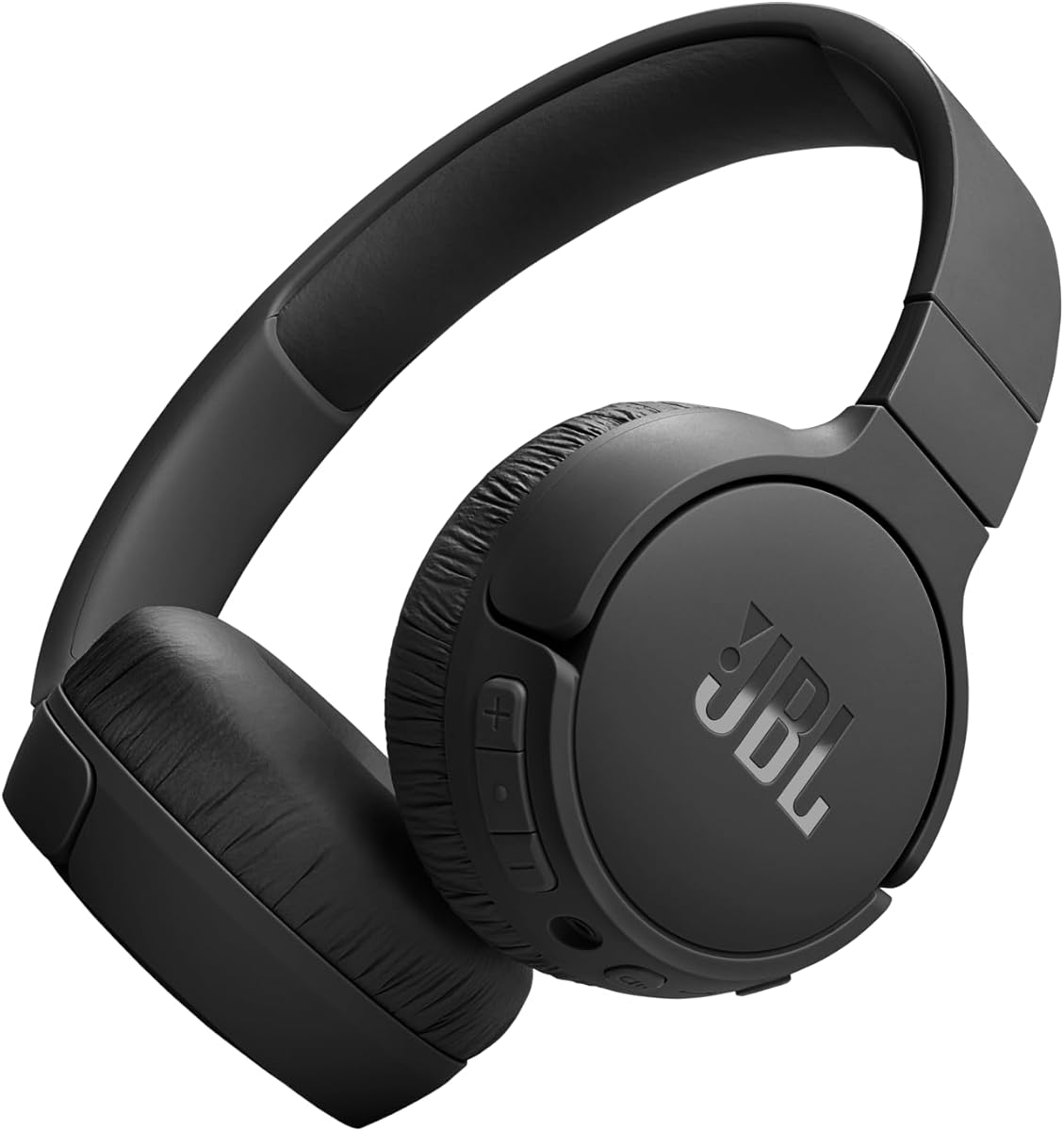
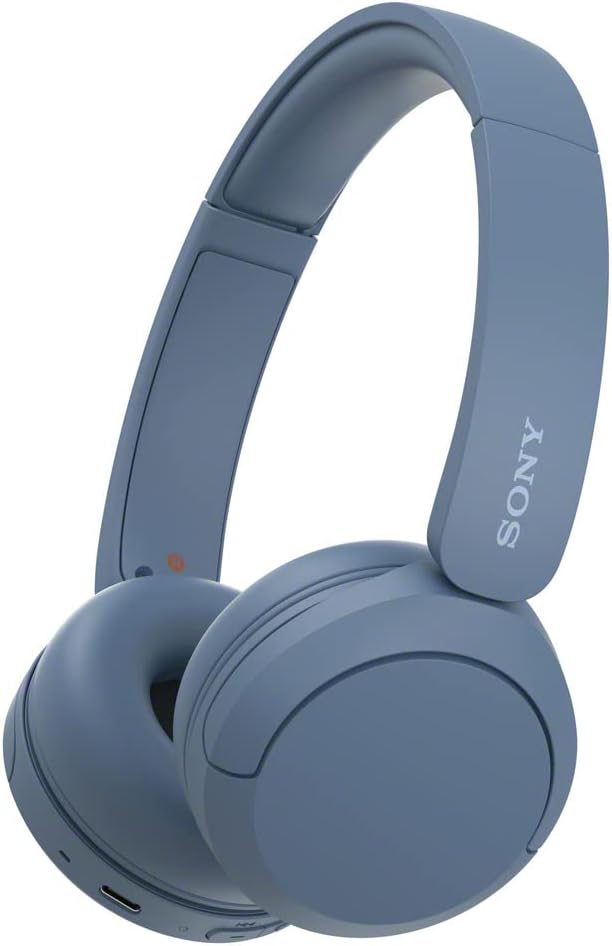
Marketing hours assume moderate volume and codec defaults. Real-world use with high volume, multipoint active, and cold weather drains faster. In this pack, JBL Live 670NC and Tune 520BT lead endurance claims, Sony CH520 lands near fifty hours, and Tune 510BT sits around forty. Wired Skullcandy, Koss, and noot K11 remove charging entirely.
Speed-charge features—five minutes for two to four hours—matter more than absolute max hours if you forget cables often. Type-C ubiquity means one phone charger can revive most wireless picks here.
When On-Ear ANC Is Enough
Adaptive NC in JBL Tune 670NC and Live 670NC targets chatter, HVAC hum, and moderate street noise. Low-frequency engine rumble on airplanes remains challenging for on-ear seal physics. Test return policies if flight silence is your primary goal.
Ambient Aware and TalkThru modes on JBL NC models reduce the need to remove headphones when ordering coffee or hearing boarding calls—features absent on Sony CH520 and non-NC Tune models in this pack.
Wired Reliability vs Bluetooth Convenience
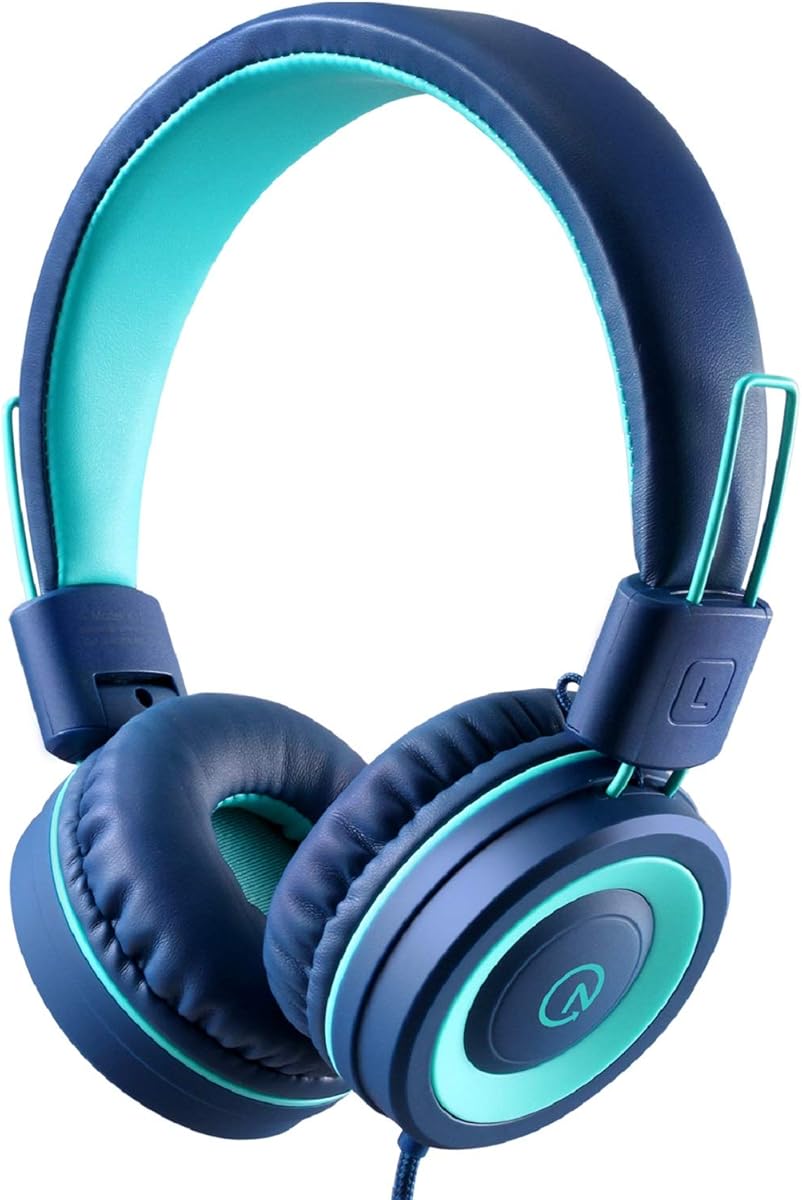
Wired Skullcandy Riff, Koss KPH7, and noot K11 eliminate pairing, firmware, and battery variables. They excel on airplane seat screens, school Chromebooks, and backup duty when wireless dies.
Bluetooth JBL and Sony models add multipoint, assistant buttons, and app EQ at the cost of occasional codec quirks across laptops and phones. Many enthusiasts keep one wired spare regardless of primary wireless choice.
Comfort and Clamp Pressure
On-ear clamp secures the cups during walks but causes fatigue if too tight. JBL listings explicitly suggest break-in stretching for Tune 510BT and 520BT buyers. Sony CH520 swivel cups reduce pressure points for glasses wearers compared with rigid budget designs.
Replace worn on-ear pads every year or two on daily drivers—adhesive pads are cheaper than replacing entire headsets.
Kids vs Adult Listings
noot K11 targets ages three through sixteen with braided cords and fold-flat storage, omitting inline remotes to reduce failure points. Adult wireless models offer assistants and multipoint but introduce charging responsibility—match complexity to the user's age and school policy on Bluetooth devices.