Skip to content

Best Laptops for Writers in 2026

4.6 average · hands-on tested
By Leo HudsonUpdated June 27, 20268 picks tested

We may earn a commission from links on this page, at no extra cost to you. Learn more.

For writers, the spec sheet that matters is different. You don't need a powerful GPU — you need an exceptional keyboard your fingers won't tire on, all-day battery so you can write anywhere without hunting for outlets, a light build for café-hopping, and a screen that's easy on the eyes through long sessions. Distraction-free reliability beats raw power every time. After researching and comparing the top options for novelists, journalists, bloggers and students, these are the eight best laptops for writers in 2026.

Quick comparison

KeyboardBest forRatingPrice
1Apple MacBook Air (M4)AppleBest Overall4.9$$$Check Price
2Microsoft Surface Laptop 7MicrosoftBest Windows4.6$$$Check Price
3ASUS Zenbook 14 OLEDASUSBest OLED Display4.6$$$Check Price
4Lenovo ThinkPad E14LenovoBest Keyboard4.5$$$Check Price
5HP Envy x360 14HPBest 2-in-14.4$$$Check Price
6Dell XPS 13DellBest Ultraportable4.5$$$Check Price
7Apple MacBook Air (M5)AppleBest Future-Proof4.8$$$Check Price
8Acer Chromebook Plus 515AcerBest Budget Distraction-Free4.5$$$Check Price

Our top 8 picks, reviewed

1Best Overall

Apple MacBook Air (M4)

The MacBook Air (M4) is the best laptop for writers, and it's hard to overstate why. The Magic Keyboard is one of the most comfortable around for long typing sessions, the battery genuinely lasts all day (and beyond), and because it's fanless it's completely silent — no distracting whir while you think. It's light enough to take anywhere, the build is premium and durable, and macOS is clean and focused. It costs more upfront and the base storage is modest, but as a quiet, reliable, all-day writing machine that will last for years, nothing else comes close.

Chip
Apple M4
Battery
Up to 18 hrs
Keyboard
Magic Keyboard
Build
Fanless aluminium

What we liked

  • Excellent keyboard for long sessions
  • All-day, all-week battery
  • Completely silent (fanless)
  • Light, premium, distraction-free

Worth noting

  • Pricier upfront
  • Modest base storage
2Best Windows

Microsoft Surface Laptop 7

For writers who prefer Windows, the Microsoft Surface Laptop 7 is the best choice — a MacBook-like experience with one of the finest keyboards in Windows laptops. The typing feel is excellent for long sessions, battery life lasts all day, and the light premium build travels easily. The tall 3:2 PixelSense touchscreen is especially good for writing, showing more of your document at once and reducing scrolling. There can be occasional compatibility quirks with older Windows apps on the ARM versions, and it's premium-priced, but for a focused, comfortable Windows writing machine, it's the standout.

Display
13.8" PixelSense Touch
Chip
Copilot+
Battery
All-day
Keyboard
Excellent

What we liked

  • Superb keyboard and trackpad
  • All-day battery life
  • Light, premium build
  • Tall, easy-to-read touchscreen

Worth noting

  • Some legacy app quirks
  • Premium price
3Best OLED Display

ASUS Zenbook 14 OLED

The ASUS Zenbook 14 OLED is the best pick for writers who want a beautiful, eye-friendly display without spending flagship money. The OLED screen renders crisp, high-contrast text that's lovely to read and write on for hours, and its deep blacks are easy on the eyes in dim rooms. It's light and portable with a good keyboard and strong battery life, and it offers excellent value for the quality on offer. The OLED panel and touch layer can slightly affect battery and add some glare, but for a writer who stares at text all day, the Zenbook's screen is a genuine joy.

Display
14" OLED Touch
CPU
Intel Core Ultra
Battery
Long
Build
Slim, light

What we liked

  • Gorgeous, eye-friendly OLED screen
  • Light and portable
  • Good keyboard
  • Strong value for the quality

Worth noting

  • OLED can affect battery slightly
  • Touch adds glare
4Best Keyboard

Lenovo ThinkPad E14

If the keyboard is everything to you — and for many writers it is — the Lenovo ThinkPad E14 is the pick. ThinkPad keyboards are legendary for a reason: deep, tactile, perfectly spaced keys that make typing for hours genuinely comfortable and fast, with fewer errors. The business-grade build is durable enough to survive years of heavy use, the port selection is generous, and it's reliable to a fault. The design is plain and the display is merely average, but for a writer who values the pure typing experience above all else, no other laptop's keyboard is more satisfying.

Display
14" FHD+
Keyboard
Legendary ThinkPad
CPU
Intel/AMD
Build
Durable

What we liked

  • Best-in-class typing experience
  • Durable, business-grade build
  • Comfortable for marathon sessions
  • Great port selection

Worth noting

  • Plain, businesslike design
  • Average display
5Best 2-in-1

HP Envy x360 14

The HP Envy x360 14 is the best 2-in-1 for writers who also brainstorm, outline or take handwritten notes. Its convertible hinge lets it flip into a tablet, so you can sketch story structure or annotate research with a stylus, then flip back to type. The keyboard is good for drafting, the touchscreen is responsive, and the build is solid and versatile. It's heavier than a pure ultrabook and battery life trails the MacBook Air, but for writers whose process blends typing, note-taking and planning, the flexibility of the Envy x360 is genuinely useful.

Display
14" FHD Touch
Form
2-in-1 convertible
CPU
Intel/AMD
Pen
Stylus support

What we liked

  • Flips to a tablet for note-taking
  • Good keyboard and touchscreen
  • Stylus support for handwriting
  • Versatile and well-built

Worth noting

  • Heavier than a pure ultrabook
  • Average battery vs MacBook
6Best Ultraportable

Dell XPS 13

The Dell XPS 13 is the best ultraportable for writers who are always on the move — commuting, traveling, café-writing. It's tiny and light yet beautifully built, with a premium display and good battery life that make it easy to slip into any bag and write anywhere. The compact footprint is its whole appeal, though it means the keyboard is a touch tight for very large hands. It's premium-priced, but for a writer who prizes portability above all and wants a gorgeous, pocketable machine to draft on wherever inspiration strikes, the XPS 13 is ideal.

Display
13.4" FHD+ 120Hz
CPU
Copilot+ / Intel
Battery
Long
Build
Premium compact

What we liked

  • Tiny, light, very portable
  • Premium build and display
  • Good battery life
  • Great for writing on the move

Worth noting

  • Compact keyboard for big hands
  • Premium price
7Best Future-Proof

Apple MacBook Air (M5)

For writers who want one laptop to last a decade, the latest MacBook Air (M5) is the most future-proof pick. It keeps everything that makes the Air ideal for writing — superb keyboard, all-day battery, total silence, light build — and adds the newest, fastest Apple silicon, so it'll stay quick and supported for many years. The compact 13-inch form is wonderfully portable for daily carry. It's the priciest Air and the smaller screen won't suit everyone, but for a writer making a long-term investment in a quiet, reliable companion, it's superb.

Chip
Apple M5
Display
13" Liquid Retina
Battery
Up to 18 hrs
Build
Fanless

What we liked

  • Newest, fastest Apple silicon
  • Outstanding battery and silence
  • Compact and ultraportable
  • Will last for many years

Worth noting

  • Most expensive Air
  • 13" screen smaller for some
8Best Budget Distraction-Free

Acer Chromebook Plus 515

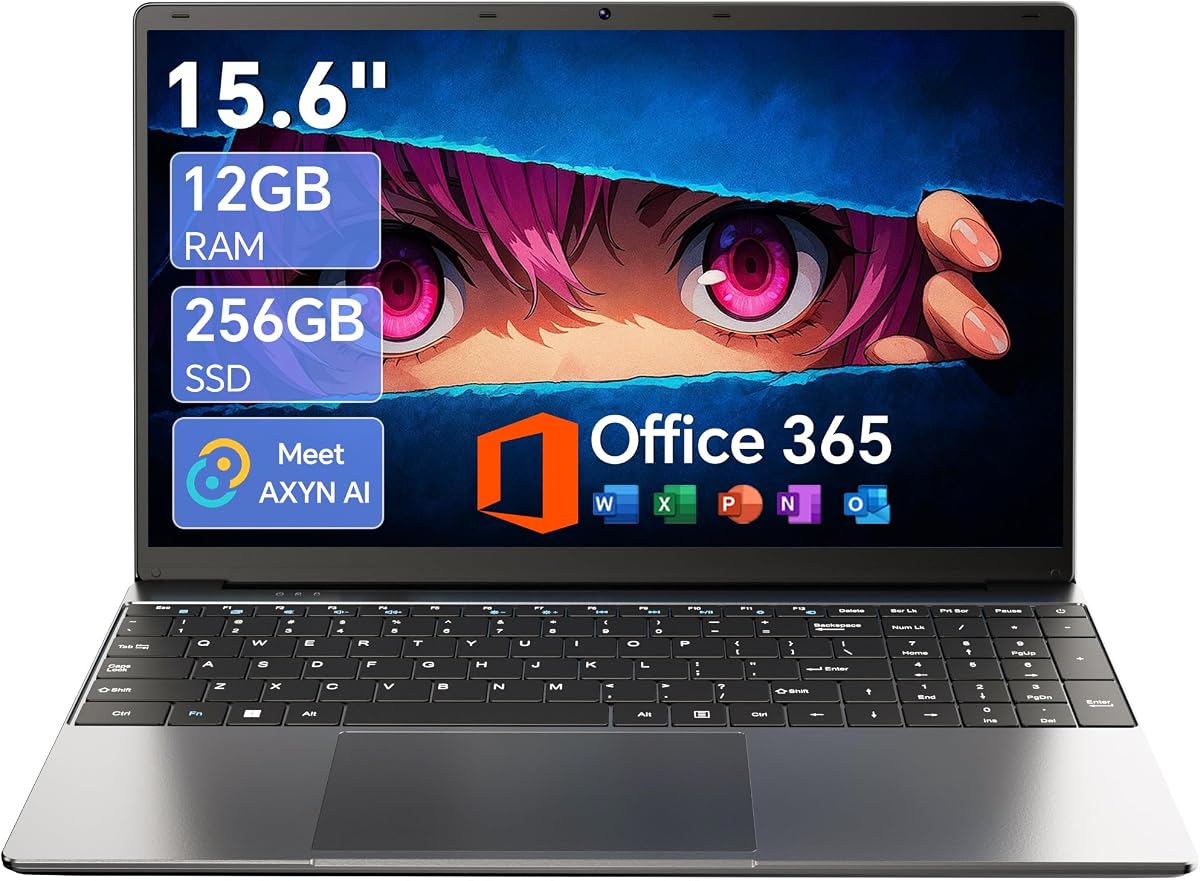
The Acer Chromebook Plus 515 is the best budget pick for writers who draft in the cloud — Google Docs, web-based writing apps, distraction-free editors. ChromeOS is fast, secure and refreshingly simple, the battery lasts all day, and the big 15.6-inch screen is comfortable for long writing sessions. Its very simplicity is a feature: there's less to distract you and almost nothing to maintain. It relies on web and Android apps rather than full desktop software, so it's not for writers wedded to specific offline programs like Scrivener, but for cloud-based writing on a budget, it's excellent value.

OS
ChromeOS
Display
15.6" Full HD
Battery
All-day
Use
Cloud writing

What we liked

  • Cheap and distraction-free
  • All-day battery
  • Big screen for drafting
  • Fast, secure, low-maintenance

Worth noting

  • Cloud/web tools only
  • Not for offline-heavy workflows

How to choose a laptop for writers in 2026

Choosing a laptop for writing means ignoring the specs marketers push and focusing on what makes long sessions comfortable and distraction-free. Here's how.

The keyboard is your most important tool

Writers type for hours, so the keyboard is the single most important part of the laptop — more than the processor, the screen or anything else. A great keyboard has comfortable key travel, satisfying tactile feedback, sensible spacing and a layout without cramped or oddly placed keys, all of which reduce fatigue and typing errors over a long session. The Lenovo ThinkPad E14 is legendary here, and Apple's Magic Keyboard on the MacBook Air and Microsoft's keyboard on the Surface Laptop 7 are excellent too. If at all possible, type on a laptop before buying, because keyboard feel is personal — what matters is that your fingers stay comfortable through a full writing day.

Prioritise all-day battery and portability

Writers work everywhere — at desks, in cafés, on trains, in libraries — so all-day battery life and a light build are close behind the keyboard in importance. A laptop that lasts a full day on one charge frees you to write wherever inspiration strikes without tethering yourself to an outlet; the MacBook Air, Surface Laptop 7 and Chromebooks lead here, easily lasting a working day or more. Pair that with low weight: a 13–14 inch ultrabook slips into any bag and won't weigh you down on a café crawl. If you mostly write at one desk, these matter less, but for the mobile writer, battery and weight are what make a laptop a true go-anywhere writing companion.

Choose a screen that's easy on the eyes

You'll stare at text on this screen for hours, so eye comfort matters. Look for a sharp, high-resolution display (Full HD or better) so text is crisp, and consider panel quality: an OLED screen like the ASUS Zenbook 14's renders beautifully sharp, high-contrast text and deep blacks that are gentle on the eyes, especially in dim rooms. Screen shape matters too — taller 3:2 or 16:10 displays (the Surface Laptop 7) show more of your document at once, meaning less scrolling. Matte (non-touch) screens reduce glare for writing in bright spaces, while glossy touchscreens can reflect more. A comfortable screen reduces eye strain and helps you write longer.

Silence and simplicity aid focus

The best writing laptops get out of your way. Fan noise can be a subtle but real distraction during the quiet concentration that writing demands, which is why fanless laptops like the MacBook Air are so well-suited to the task — they make no sound at all, no matter how long you work. Software simplicity helps too: a clean, stable operating system with minimal pop-ups and maintenance lets you focus on the words rather than the machine. ChromeOS (on the Chromebook Plus 515) is the most distraction-free and low-maintenance of all, while macOS is clean and calm. For deep focus, a quiet, simple machine is genuinely better than a powerful, noisy one.

Don't overspend on power you won't use

Writing software is among the lightest work you can ask of a computer, so you simply don't need a powerful, expensive laptop to do it well — and spending on a high-end CPU or dedicated GPU is money wasted for pure writing. That budget is far better redirected to the things that actually improve the writing experience: a superb keyboard, longer battery, a nicer screen, a lighter build. Even modest, affordable laptops handle writing effortlessly. The one exception is if you also do demanding work like video editing or heavy research with many large applications; otherwise, resist the urge to over-buy on performance and invest in comfort and portability instead.

Match the laptop to your writing life

Finally, choose based on how and where you actually write. A novelist drafting at home for hours might prioritise the ThinkPad's keyboard and a big comfortable screen. A journalist filing from the field needs the lightest, longest-lasting machine, like the MacBook Air or Dell XPS 13. A student or blogger on a budget who writes in Google Docs is perfectly served by a Chromebook. A writer who plans by hand benefits from a 2-in-1 like the Envy x360. There's no single best writing laptop — only the one whose keyboard, battery, screen and form factor fit the way you work. Identify your writing habits first, then pick the machine that supports them.

Reliability and storage for your manuscripts

For writers, a laptop isn't just a typing tool — it holds your work, sometimes years of it, so reliability and sensible storage matter more than they might for other users. Choose a machine from a brand with a solid reliability record (all the picks here qualify) so a hardware failure doesn't put your manuscripts at risk, and pair it with a backup habit, whether cloud sync or an external drive. On storage, you rarely need huge capacity for documents, but enough headroom for your files plus your writing apps and research materials is wise; 256GB is fine for cloud-based writers, while 512GB gives comfortable room if you keep everything locally. The reassurance of a dependable machine that safely holds your words is worth as much to a writer as any single spec.

The bottom line: the MacBook Air (M4) is the best laptop for writers, with a superb keyboard, all-day battery and silent operation. Choose the Surface Laptop 7 for Windows, the ThinkPad E14 for the best typing feel, the Zenbook 14 OLED for a beautiful screen, and the Acer Chromebook Plus 515 for distraction-free writing on a budget. Use our ranked picks above to find the laptop that makes writing a pleasure.

How we picked

We compared laptops for writers on what actually matters for writing: keyboard quality and comfort for hours of typing, battery life (all-day is the goal), weight and portability, display quality and eye comfort, silence (fanless or quiet operation), and reliability. Raw performance mattered far less than these, since writing software is light. We included macOS, Windows and ChromeOS options across budgets, prioritising machines that make long writing sessions comfortable, portable and free of distraction.

Frequently asked questions

What is the best laptop for writers in 2026?

The Apple MacBook Air (M4) is the best laptop for writers, combining an excellent keyboard, all-day battery, total silence and a light build — everything that makes long writing sessions comfortable and distraction-free. For Windows writers, the Microsoft Surface Laptop 7; for the best pure typing feel, the Lenovo ThinkPad E14; and for a beautiful screen, the ASUS Zenbook 14 OLED. The best pick depends on your OS preference and whether you prioritise keyboard, screen or portability.

What matters most in a laptop for writing?

The keyboard, battery life and portability matter far more than processing power, because writing software is light. A comfortable keyboard prevents fatigue and errors over long sessions (the ThinkPad E14 and MacBook Air excel). All-day battery lets you write anywhere without hunting for outlets. A light build makes it easy to carry to cafés or libraries. A good, eye-friendly screen and quiet (ideally fanless) operation round it out. You do not need a powerful or expensive GPU-equipped laptop just to write.

Do writers need a powerful laptop?

No. Word processors, text editors and writing apps are very light on resources, so even a modest laptop handles writing effortlessly. Spending on a powerful CPU or GPU is wasted money for pure writing — that budget is far better spent on a great keyboard, longer battery, a nicer screen and a lighter build. The exception is if you also do demanding work like video or photo editing alongside writing, in which case you'd want more power; but for writing itself, comfort and battery beat raw performance every time.

Is a Mac or Windows laptop better for writers?

Both are excellent; it comes down to preference and software. macOS (MacBook Air) is clean, stable, silent and pairs beautifully with an iPhone, and it runs all major writing apps. Windows (Surface Laptop 7, ThinkPad E14, Zenbook) offers more hardware variety and is necessary if you rely on specific Windows-only writing tools. Both platforms run Microsoft Word, Google Docs, Scrivener and most writing software. Choose based on which ecosystem you prefer and whether any of your essential apps are platform-specific.

What screen size is best for writing?

It's a trade-off between portability and comfort. A 13–14 inch laptop (MacBook Air, Surface Laptop 7, Zenbook 14) is lighter and easier to carry for café and travel writing. A 15–16 inch screen (Chromebook Plus 515) shows more text at once and is more comfortable for long stationary sessions. Tall 3:2 or 16:10 screens (like the Surface Laptop 7's) are especially good for writing, since they display more of your document vertically. If you write on the move, go smaller; if mostly at a desk, bigger is more comfortable.

Are 2-in-1 laptops good for writers?

They can be, depending on your process. A 2-in-1 like the HP Envy x360 flips into a tablet, which is genuinely useful for writers who outline by hand, sketch story structures, or annotate research and edits with a stylus. If your process is purely typing, a regular clamshell laptop is lighter and often has a better keyboard. But if you blend typing with handwritten notes and planning, the flexibility of a 2-in-1 adds real value to a writing workflow.