Best Home Theater Speakers in 2026
We may earn a commission from links on this page, at no extra cost to you. Learn more.
A real home theater is built on its speakers — they create the immersive, room-filling surround sound that turns movie night into an event. You can go all-in with a complete surround package, build a system from quality bookshelf speakers, or take a simpler wireless route with a soundbar system. The best deliver clear dialogue, impactful bass and enveloping surround. After researching the best home theater speakers across complete systems, bookshelf-based setups and all-in-one packages, these are the seven best home theater speakers in 2026.
Quick comparison
| Keyboard | Best for | Rating | Price | |
|---|---|---|---|---|
| 1Klipsch Reference Cinema 5.1.4Klipsch | Best Overall System | 4.7 | $$$ | Check Price |
| 2ULTIMEA 7.1 Sound Bar with SubwooferULTIMEA | Best Value Complete System | 4.4 | $$$ | Check Price |
| 3Polk Monitor XT20Polk Audio | Best Bookshelf for Fronts | 4.6 | $$$ | Check Price |
| 4Polk Monitor XT15Polk Audio | Best Bookshelf Value | 4.6 | $$$ | Check Price |
| 5Klipsch R-51MKlipsch | Best Cinematic Bookshelf | 4.7 | $$$ | Check Price |
| 6Sonos Era 100Sonos | Best Wireless System | 4.6 | $$$ | Check Price |
| 7Samsung HW-B550FSamsung | Best Soundbar Route | 4.5 | $$$ | Check Price |
Our top 7 picks, reviewed
Klipsch Reference Cinema 5.1.4
The Klipsch Reference Cinema 5.1.4 is the best home theater speaker system overall, a complete Dolby Atmos package that delivers genuinely cinematic, immersive surround sound. With surround channels plus height speakers for Atmos and an included subwoofer, it envelops you in three-dimensional sound where effects move around and above you, all with Klipsch's signature dynamic, detailed cinematic character. As a matched system, the speakers blend seamlessly. It's expensive and requires an AV receiver and proper setup, but for a true, immersive home-theater experience with Atmos height effects and Klipsch sound quality, this complete system is the standout — the closest thing to a cinema in your living room and our top overall pick.
- Type
- 5.1.4 Dolby Atmos system
- Channels
- Surround + height
- Sub
- Included subwoofer
- Sound
- Klipsch cinematic
What we liked
- True Dolby Atmos surround with height
- Cinematic Klipsch sound
- Complete matched system
- Included subwoofer
Worth noting
- Expensive
- Needs an AV receiver and setup
ULTIMEA 7.1 Sound Bar with Subwoofer
The ULTIMEA 7.1 Sound Bar is the best value complete home theater system, bundling a soundbar, subwoofer and rear speakers for genuine surround immersion at a fraction of the cost of separates. The subwoofer adds deep cinematic bass while the rear speakers create an enveloping surround effect, with powerful 330W output and easy HDMI, optical and Bluetooth connectivity — a far simpler setup than a receiver-based system. For an immersive movie experience on a budget, it's compelling. It's not audiophile-grade and the rears need placement and power, but for an affordable, complete surround-sound package that transforms a living room into a home theater without the cost and complexity of separates, the ULTIMEA 7.1 is the standout value.
- Type
- 7.1ch soundbar + sub + rears
- Features
- Virtual surround, 330W
- Connection
- HDMI + optical + Bluetooth
- Sub
- Included
What we liked
- Complete system with sub and rears
- Immersive surround effect
- Powerful 330W output
- Affordable and simpler than separates
Worth noting
- Not audiophile-grade
- Rears need placement/power
Polk Monitor XT20
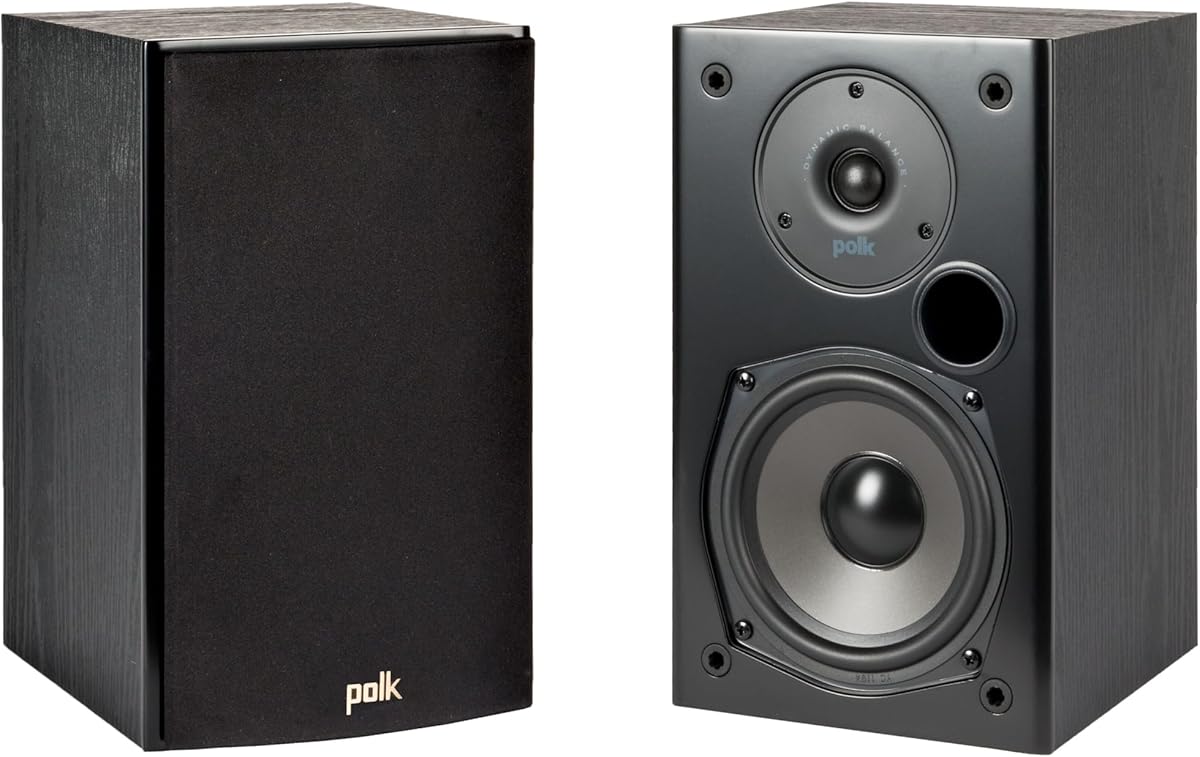
The Polk Monitor XT20 is the best bookshelf speaker for home-theater fronts, a detailed, dynamic passive pair ideal as the front left and right of a custom system. Building a home theater from quality separates lets you tailor it to your room and taste, and the XT20s deliver clear, engaging sound for movies and music alike, pairing with a matching center, surrounds and subwoofer driven by an AV receiver. For those who want better sound than packaged systems and the flexibility to build, they're an excellent foundation. They need an AV receiver and are passive (no built-in amp), but for high-quality front or surround speakers to anchor a separates-based home theater at a sensible price, the XT20 is a standout.
- Type
- Passive bookshelf pair
- Use
- Front L/R or surrounds
- Sound
- Detailed, dynamic
- Need
- AV receiver
What we liked
- Excellent detailed sound
- Great front or surround speakers
- Build a custom system
- Strong value separates
Worth noting
- Needs an AV receiver
- Passive (no built-in amp)
Polk Monitor XT15
The Polk Monitor XT15 is the best value bookshelf speaker for a home theater, a compact, affordable passive pair that works beautifully as surround speakers or compact fronts in a custom system. They deliver clear, balanced sound that blends well with a larger front pair and center, letting you build a complete, matched home theater on a sensible budget, all driven by an AV receiver. For surrounds especially, where you want clean, capable speakers without spending front-channel money, they're ideal. They need an AV receiver and have less output than the larger XT20, but for affordable, quality bookshelf speakers to fill out a separates-based home theater — as surrounds or in a smaller room — the XT15 is a standout value.
- Type
- Passive bookshelf pair
- Use
- Surrounds or compact fronts
- Sound
- Clear, balanced
- Need
- AV receiver
What we liked
- Great value bookshelf pair
- Ideal as surrounds
- Clear, balanced sound
- Compact size
Worth noting
- Needs an AV receiver
- Less output than the XT20
Klipsch R-51M
The Klipsch R-51M is the best cinematic bookshelf speaker for a home theater, bringing Klipsch's dynamic, lively, detailed sound to a custom system at a great price. Klipsch's horn-loaded tweeters give movies an energetic, impactful presentation that excels with action and effects, and the speakers are efficient and easy to drive with most AV receivers, working as fronts or surrounds. For a home theater with cinematic punch on a budget, they're a standout. They need an AV receiver and their bright, forward sound isn't to every taste, but for lively, movie-friendly bookshelf speakers that deliver Klipsch's cinematic character at an accessible price, the R-51M is an excellent foundation for a separates system or a great pair of surrounds.
- Type
- Passive bookshelf pair
- Use
- Fronts or surrounds
- Sound
- Dynamic, detailed Klipsch
- Need
- AV receiver
What we liked
- Dynamic, lively Klipsch sound
- Great for movies
- Efficient, easy to drive
- Excellent value
Worth noting
- Needs an AV receiver
- Bright sound not for all
Sonos Era 100
The Sonos Era 100 is the best wireless home theater speaker option, letting you build a clean, cable-free surround system within the Sonos ecosystem. Paired with a Sonos soundbar, two Era 100s act as wireless rear surrounds for an immersive setup without running speaker wire across the room, and they double as superb music speakers with multi-room support and simple app control. For a tidy, modern home theater that avoids the wiring and receiver of traditional systems, it's excellent. It needs a Sonos soundbar to function as surrounds and each speaker is mains-powered, but for a premium, wireless, expandable home-theater setup that also excels at music, the Era 100 is the standout wireless pick.
- Type
- Wireless speaker (surrounds/music)
- Connection
- Wi-Fi + Bluetooth
- Use
- Wireless surrounds with Sonos bar
- Power
- Mains
What we liked
- Clean wireless home-theater setup
- Excellent for music too
- Pairs as wireless surrounds
- Easy app control
Worth noting
- Needs a Sonos soundbar for surround
- Mains-powered each
Samsung HW-B550F
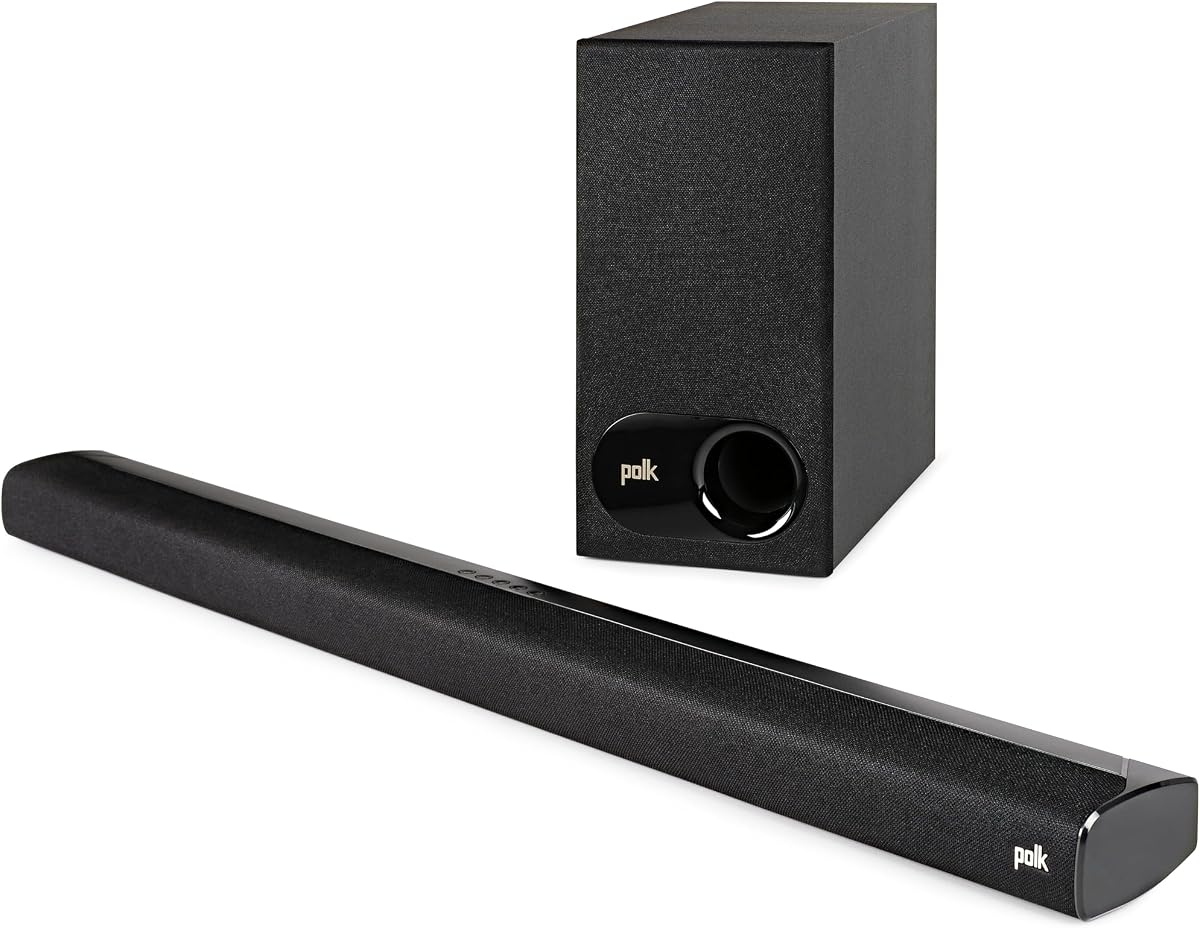
The Samsung HW-B550F is the best soundbar route to home theater, the simplest way to get a big, bass-rich cinematic upgrade without a full speaker system. This 2.1 soundbar includes a wireless subwoofer for deep movie bass, uses DTS Virtual:X to create a wider, more immersive sound, and sets up in minutes via HDMI, optical or Bluetooth — no receiver or speaker wire needed. For those who want dramatically better TV and movie sound with minimal fuss and space, it's ideal. It's not true surround and less immersive than a full system with rears, but for the easiest, tidiest path to satisfying home-theater sound with real bass at a great price, the HW-B550F is a standout.
- Type
- 2.1 soundbar + wireless sub
- Features
- DTS Virtual:X
- Connection
- HDMI + optical + Bluetooth
- Sub
- Wireless included
What we liked
- Simplest home-theater upgrade
- Wireless subwoofer for bass
- Virtual surround effect
- Easy setup, great value
Worth noting
- Not true surround
- Less immersive than full systems
How to choose home theater speakers in 2026
The best home theater speakers create immersive, cinematic sound for your room. Here's how to choose the right approach and system.
Choose your route: complete system, separates, or soundbar
Start by deciding how you want to build your home theater, since it shapes cost, sound and setup. A complete surround package (Klipsch Reference Cinema, ULTIMEA 7.1) gives matched speakers for easy, immersive results. Separates — bookshelf speakers (Polk Monitor, Klipsch R-51M) plus a center, surrounds and subwoofer with an AV receiver — deliver the best, most customizable sound but cost more and need setup. A soundbar system (Samsung HW-B550F) is the simplest, tidiest upgrade with less immersion. Decide whether you value matched simplicity, audiophile customization, or easy convenience, and how much setup you'll tackle. This choice determines everything that follows, so settle it first based on your ambition, budget and space.
Decide how much surround immersion you want
Choose your level of surround immersion, since it dictates the number of speakers and channels. A 2.1 setup (soundbar plus subwoofer) is a big upgrade but not true surround. A 5.1 system (fronts, center, surrounds, subwoofer) envelops you for genuine cinema sound. Adding height speakers makes it 5.1.4 for Dolby Atmos overhead immersion (Klipsch Reference Cinema), and you can go further in large rooms. More channels mean more immersion but more cost, speakers and setup. Decide whether you want maximum cinematic envelopment with Atmos height, classic 5.1 surround, or a simpler 2.1 improvement. Matching the immersion level to your enthusiasm and room ensures you get the experience you want without over- or under-investing in channels you will or won't appreciate.
Prioritise dialogue clarity and a center channel
For home theater, prioritise clear dialogue, since following speech is essential to enjoying movies and shows. In a full surround system, the center channel handles most dialogue, so a quality center is crucial — complete systems include a matched one, and when building separates, don't skimp on it. Soundbar systems (Samsung HW-B550F) and the Bose TV Speaker include dialogue-focused tuning. Clear speech matters for everyday viewing as much as effects matter for blockbusters. When choosing, ensure your system handles dialogue well — a dedicated center channel in a surround setup, or a soundbar known for speech clarity. Crisp, intelligible dialogue is something you'll value every time you watch, more than surround effects you notice mainly during action.
Get a capable subwoofer for cinematic bass
Ensure your system has a capable subwoofer, since deep bass is central to cinematic impact. Explosions, rumbles and effects rely on the subwoofer to deliver visceral low end that you feel as much as hear. Complete systems and soundbar packages (Klipsch Reference Cinema, ULTIMEA 7.1, Samsung HW-B550F) include a subwoofer, while building separates means adding one to match your speakers and room. A good subwoofer transforms how immersive and powerful movies feel. When choosing, make sure a quality subwoofer is included or budget for one, sized to your room — too small and movies lack impact, too large and bass can overwhelm a small space. Proper subwoofer integration is key to satisfying, cinematic home-theater sound.
Match the system to your room and receiver
Consider your room size and whether you'll use an AV receiver. Larger rooms need more capable, higher-output speakers and possibly more channels to fill the space, while smaller rooms suit compact systems and can be overwhelmed by huge speakers. Passive systems and separates (Klipsch, Polk bookshelf speakers) require an AV receiver to power them and decode surround formats — factor that cost and complexity in — while soundbar and wireless systems (Samsung, Sonos) are self-contained. Decide whether you want the flexibility and sound of a receiver-based system or the simplicity of an all-in-one. Matching the system's scale and type to your room and your willingness to use a receiver ensures balanced sound and a setup you're comfortable with.
Consider music performance and double duty
Think about whether your home theater should also be a great music system, since most can be. Quality bookshelf speakers and complete systems (Polk Monitor, Klipsch) sound excellent for stereo music as well as movies, and wireless systems (Sonos Era 100) excel at multi-room music streaming. If you'll listen to music as well as watch films, prioritise speakers known for musical performance, not just cinematic effects, and consider how easily the system plays music (a stereo mode on a receiver, or app streaming on Sonos). A home theater that doubles as a hi-fi adds value and versatility. Factor in your music habits alongside movies, and choose speakers that handle both well so your investment serves all your listening.
Set a budget and plan for expansion
Finally, set a budget and consider future expansion. Affordable routes (ULTIMEA 7.1, Samsung soundbar, Polk Monitor XT15) deliver satisfying home-theater sound for less. Mid-range separates and systems (Polk XT20, Klipsch R-51M) offer better sound for sensible money. Premium complete systems (Klipsch Reference Cinema) and Sonos ecosystems bring the best immersion for more, with receiver and subwoofer costs to factor into separates. Decide how much cinematic quality matters and whether you'll expand later — separates and Sonos let you add speakers over time, while all-in-one systems are fixed. Match the spend to your ambitions and plan whether you want a complete setup now or a foundation to grow, ensuring great movie sound within your budget and room for the future.
The bottom line: the Klipsch Reference Cinema 5.1.4 is the best home theater speaker system overall, with true Atmos surround and cinematic sound. Choose the ULTIMEA 7.1 for value, the Polk Monitor XT20 and XT15 or Klipsch R-51M for building from separates, the Sonos Era 100 for wireless, and the Samsung HW-B550F for the simplest soundbar route. Use our ranked picks above to build cinematic sound at home.
How we picked
We compared home theater speakers on surround immersion and soundstage, dialogue clarity, bass and subwoofer integration, sound quality for movies and music, ease of setup (complete systems vs separates vs soundbars), expandability, and value. We covered the main routes to home-theater sound — complete surround packages, bookshelf speakers for building a system, and wireless/soundbar systems — since the best choice depends on whether you want plug-and-play simplicity, audiophile separates or a tidy wireless setup. The mix spans budgets so there's a cinematic speaker solution for any living room and level of ambition.
Frequently asked questions
What are the best home theater speakers in 2026?
The Klipsch Reference Cinema 5.1.4 is the best complete system overall, with true Dolby Atmos surround and height channels. For a value all-in-one system, the ULTIMEA 7.1; for building from separates, the Polk Monitor XT20 (fronts) and XT15 (surrounds) or Klipsch R-51M bookshelf speakers; for a wireless setup, the Sonos Era 100; and for the simplest upgrade, the Samsung HW-B550F soundbar. The best pick depends on whether you want plug-and-play, audiophile separates, wireless, or simple soundbar convenience.
Should I buy a complete system, separates, or a soundbar for home theater?
It depends on your priorities. A complete surround package (Klipsch Reference Cinema, ULTIMEA 7.1) gives matched speakers for easy, immersive setup. Separates — building from bookshelf speakers (Polk Monitor, Klipsch R-51M) plus a center, surrounds and subwoofer with an AV receiver — offer the best sound and customization but more cost and setup. A soundbar system (Samsung HW-B550F) is the simplest, tidiest upgrade, with less immersion than true surround. Choose a complete system for matched simplicity, separates for the best customizable sound, or a soundbar for easy, space-saving improvement. Match the route to your budget, space and how much setup you want.
Do home theater speakers need an AV receiver?
Passive speakers do; powered systems and soundbars don't. Traditional home-theater speakers — bookshelf speakers (Polk Monitor, Klipsch R-51M) and complete passive systems (Klipsch Reference Cinema) — are passive and require an AV receiver to power them, decode surround formats and connect your sources. This gives the most flexibility and best sound but adds cost and setup. Soundbar systems (Samsung HW-B550F, ULTIMEA 7.1) and wireless systems (Sonos) have built-in amplification and need no separate receiver, connecting directly to your TV. If you want a traditional surround system with separates, budget for an AV receiver; if you want simplicity, choose a self-contained soundbar or wireless system.
What is Dolby Atmos and do I need it?
Dolby Atmos is an immersive surround format that adds height channels — speakers that fire upward or are mounted overhead — so sound comes from above as well as around you, creating three-dimensional audio where rain, aircraft and effects move overhead. Systems like the Klipsch Reference Cinema 5.1.4 include height speakers for true Atmos. It noticeably increases immersion for movies and games that support it. You don't strictly need Atmos — a standard 5.1 surround system still sounds great — but if you want the most cinematic, enveloping experience and have the speakers and a compatible receiver, Atmos adds a real sense of height and immersion that's worth it for dedicated home theaters.
How many speakers do I need for a home theater?
It depends on the immersion you want. A basic setup is 2.1 (two speakers plus a subwoofer, as in a soundbar system) — a big upgrade but not true surround. Classic surround is 5.1: front left/right, center, two surrounds and a subwoofer, which envelops you in sound. Adding height speakers makes it 5.1.4 (like the Klipsch Reference Cinema) for Dolby Atmos immersion, and larger rooms can go to 7.1 or beyond. More speakers mean more immersion but more cost, setup and space. For most living rooms, 5.1 is the sweet spot for true surround; add height channels for Atmos if you want maximum cinematic immersion.
Can home theater speakers be used for music too?
Yes, and good ones excel at it. Quality bookshelf speakers (Polk Monitor, Klipsch R-51M) and complete systems sound excellent for music as well as movies — the front speakers and subwoofer handle stereo music beautifully, and many AV receivers have a stereo mode for music listening. Wireless systems (Sonos Era 100) are particularly strong for music with multi-room streaming. So a home theater doubles as a high-quality music system, making the investment serve both purposes. If music matters to you, prioritise speakers known for musical as well as cinematic performance — the Polk and Klipsch bookshelf options and Sonos all handle music wonderfully alongside movies.