Best Headphones for Mixing in 2026
We may earn a commission from links on this page, at no extra cost to you. Learn more.
Mixing music demands headphones that tell the truth. Where consumer cans flatter your tracks with boosted bass and sparkly treble, a good pair of studio monitors reveals exactly what is there, so the decisions you make translate to other systems. That means a flat, honest frequency response, tight imaging and either the isolation of a closed-back design or the wide, natural soundstage of an open-back pair. This guide ranks nine of the best headphones for mixing you can buy in 2026, from affordable closed-back workhorses to open-back reference pairs built in Germany. Whether you are mixing in a noisy room, mastering in a quiet studio, or just want your mixes to travel, there is an accurate pick here for your workflow.
Top 9 Best Headphones for Mixing
Our top 9 picks, reviewed
PUPGSIS Studio Monitor Headphones
The PUPGSIS is the value standout for anyone building a first mixing setup on a budget. Its 50mm drivers reach a wide frequency range, the 4D floating headband keeps weight off your skull through six-hour sessions, and a share port lets a collaborator plug in alongside you. Dual 3.5mm and 6.35mm plugs suit interfaces and mixers. The tuning is not perfectly neutral, but for the money it is a remarkably capable monitor.
- Type
- Over-ear closed
- ANC
- None (wired)
- Wired
- 3.5mm + 6.35mm
- Driver
- 50mm (40kHz)
What we liked
- Wide 40kHz-capable 50mm drivers
- Share port for co-monitoring
- 4D floating headband spreads weight
- Foldable with 1/4in adapter included
Worth noting
- Tuning is not truly reference-flat
- Lesser-known studio brand
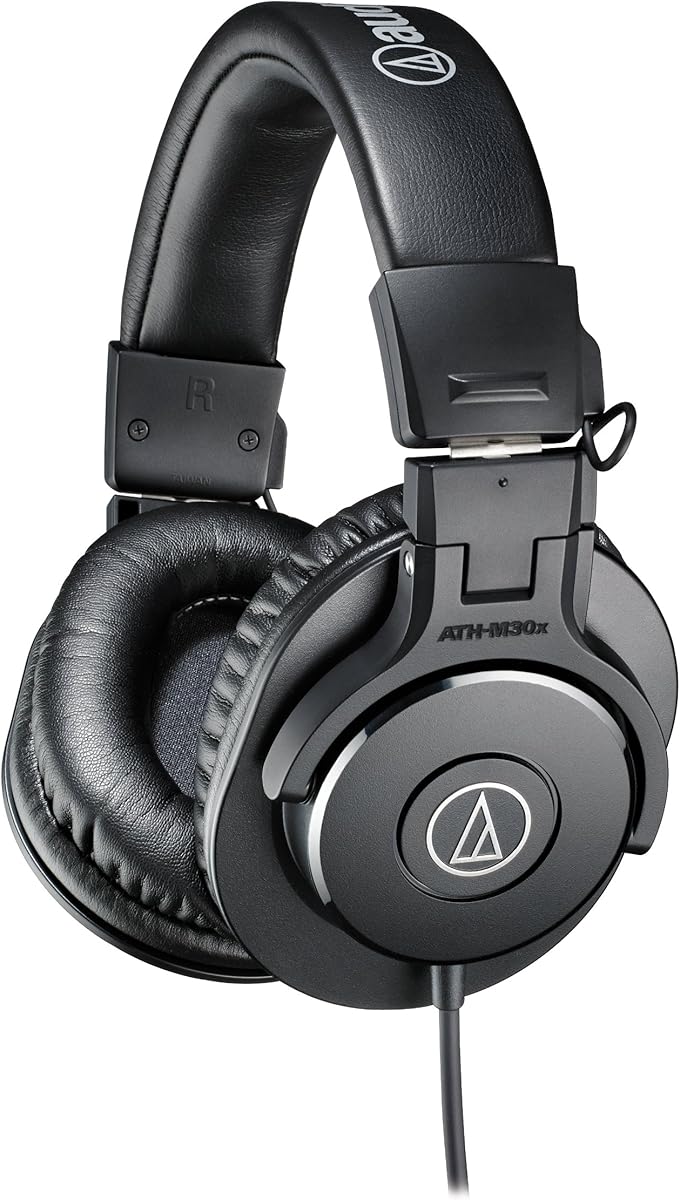
Audio-Technica ATH-M50x
The Audio-Technica ATH-M50x is the closed-back studio standard for good reason. Its 45mm drivers deliver exceptional clarity across an extended range with deep, accurate bass, and top engineers have praised its sound for over a decade. Detachable cables mean it outlasts cheaper pairs, and the 90-degree swiveling cups suit single-ear monitoring during tracking. The low end is a touch forward for strict reference work, but as an everyday mixing tool it is superb.
- Type
- Over-ear closed
- ANC
- None (wired)
- Wired
- Detachable cable
- Driver
- 45mm
What we liked
- Critically acclaimed reference sound
- Large 45mm drivers with deep bass
- Detachable cable for longevity
- Swiveling cups for one-ear monitoring
Worth noting
- Bass is slightly forward for purists
- Priciest closed-back here
Sony MDR7506 Professional Headphone
A fixture in studios worldwide, the Sony MDR7506 is the budget pick that professionals actually trust. Its 40mm drivers deliver detailed, revealing sound that exposes flaws in a mix, the closed design isolates well for tracking, and it folds neatly into the included case. The treble runs a little bright and the cable is fixed rather than detachable, but for accurate monitoring at this price it remains one of the safest buys in audio.
- Type
- Over-ear closed
- ANC
- None (wired)
- Wired
- 9.8ft fixed
- Driver
- 40mm
What we liked
- Industry-standard revealing sound
- Excellent closed-back isolation
- Folds into included soft case
- Trusted, proven pro-audio pedigree
Worth noting
- Fixed, non-detachable cable
- Slightly bright, fatiguing treble
Audio-Technica ATH-M20x
The Audio-Technica ATH-M20x is the best-rounded entry point into serious monitoring, offering the brand's dependable engineering at an approachable price. Its 40mm drivers are tuned for enhanced low-frequency performance while keeping the overall balance honest enough for mixing, and the circumaural closed design isolates well in loud rooms. Comfortable, well built and consistent, it is the pair we would hand to most newcomers who want a reliable studio monitor without overspending.
- Type
- Over-ear closed
- ANC
- None (wired)
- Wired
- Single-side exit
- Driver
- 40mm
What we liked
- Balanced sound for tracking and mixing
- Strong closed-back isolation
- Comfortable circumaural fit
- Trusted Audio-Technica build
Worth noting
- Tuned slightly warm in the low end
- Non-detachable cable
beyerdynamic DT 990 PRO (250 Ohm)
For critical listening in a quiet room, the beyerdynamic DT 990 PRO is a reference favourite. Its open-back design produces a wide, natural soundstage with precise spatial imaging that makes editing and mix decisions easier, and the plush velour pads keep long sessions comfortable. Being 250 Ohm, it wants a proper headphone amp or interface to shine, and the open design leaks sound both ways, so it suits mixing rather than tracking. Handcrafted in Germany, it is built to last.
- Type
- Over-ear open
- ANC
- None (wired)
- Wired
- 3m coiled
- Driver
- 250 Ohm
What we liked
- Wide, natural open-back soundstage
- Precise imaging for editing
- Replaceable velour ear pads
- Handcrafted German build quality
Worth noting
- 250 Ohm needs a headphone amp
- Open design leaks and lets noise in
Audio-Technica ATH-M40x
The Audio-Technica ATH-M40x is the quiet expert of the M-series, tuned flatter and more neutral than its popular M50x sibling, which is exactly what you want for honest mix decisions. Its 40mm drivers, robust build and detachable cables make it a durable studio tool, and the swiveling cups ease single-ear monitoring. It sounds less flashy than bassier pairs, but that restraint is the point: a reliable, fatigue-free monitor for long editing sessions.
- Type
- Over-ear closed
- ANC
- None (wired)
- Wired
- Detachable cables
- Driver
- 40mm
What we liked
- Flatter, more neutral tuning than M50x
- Detachable cables included
- Swiveling cups for one-ear checks
- Pro-grade pads and headband
Worth noting
- Less exciting than bassier rivals
- Clamp is firm at first
beyerdynamic DT 990 Pro X (48 Ohm)
The DT 990 Pro X updates beyerdynamic's open-back formula with a 48 Ohm STELLAR.45 driver that runs happily straight from interfaces, laptops and DACs, no dedicated amp required. It acts as a sonic magnifier, revealing clipping, artefacts and subtle imperfections that help you make accurate calls, while the velour pads and light frame keep marathon sessions comfortable. A detachable locking cable and serviceable parts make it a long-term investment for the mixing desk.
- Type
- Over-ear open
- ANC
- None (wired)
- Wired
- 3m detachable
- Driver
- 48 Ohm STELLAR.45
What we liked
- Low 48 Ohm suits interfaces directly
- Sonic-magnifier detail for editing
- Detachable locking mini-XLR cable
- Serviceable, made-in-Germany parts
Worth noting
- Open-back offers no isolation
- Detail can expose rough source audio
OneOdio Pro-10 Studio Monitor Headphones
The OneOdio Pro-10 leans toward the DJ and beatmaker crowd with its punchy 50mm drivers and 90-degree swiveling cups for quick single-ear cueing. Dual 3.5mm and 6.35mm plugs connect straight to DJ mixers, amps and interfaces without adapters, and a share port lets a collaborator listen in. The tuning is more bass-forward than reference-flat, so it is better for energetic monitoring and rough mixing than final mastering, but it is versatile and cheap.
- Type
- Over-ear closed
- ANC
- None (wired)
- Wired
- 3.5mm + 6.35mm
- Driver
- 50mm
What we liked
- Big 50mm drivers with strong output
- 90-degree swiveling for DJ monitoring
- Works with mixers, amps and interfaces
- Share port for a second listener
Worth noting
- Bass-forward rather than flat
- Comfort dips over very long wear
syndesmons Wired Studio Headphones
The syndesmons pair is the value floor here, delivering 50mm drivers, swiveling cups and a light 260-gram frame for the lowest outlay on the list. Dual 3.5mm and 6.35mm plugs connect to interfaces, mixers and computers without fuss, and the protein-leather memory-foam pads offer decent passive isolation for tracking. The sound is balanced and usable rather than truly reference-accurate, but for a first monitor or a cheap spare, it does the job.
- Type
- Over-ear closed
- ANC
- None (wired)
- Wired
- 3.5mm + 6.35mm
- Driver
- 50mm
What we liked
- Lowest price on the list
- 50mm drivers with balanced mids
- Swiveling cups for single-ear use
- Light 260g with foam isolation
Worth noting
- Sound is decent, not reference-grade
- Little-known brand and support
How We Chose the Best Headphones for Mixing

Mixing headphones have one job above all others: to be honest. A pair that boosts bass or sparkles the treble might sound thrilling for casual listening, but it lies to you about your mix, and those lies translate into decisions that fall apart on other systems. So we began by prioritising tonal accuracy, favouring pairs with a flat or near-flat response that reveal the true balance of a track rather than flattering it. From there we listened for detail retrieval and imaging, the ability to hear individual elements clearly and place them precisely in the stereo field, because that is what lets you spot problems and position instruments with confidence.
We then weighed the practical factors that shape studio life. Isolation matters for closed-back pairs used while tracking or in loud rooms, while soundstage matters for open-back pairs used in quiet mixing spaces, so we judged each design against its intended purpose. Build quality and serviceability came next, since a monitor you keep for a decade should have detachable cables and replaceable pads, and comfort mattered throughout because mix sessions run long. Finally we kept value in view, deliberately mixing proven professional standards with budget options so there is an accurate pick whether you are furnishing a first setup or a full studio.
Open-Back, Closed-Back and Studio Accuracy Explained
The most important design choice for mixing is open-back versus closed-back, and it comes down to where and how you work. Closed-back headphones, like the Audio-Technica ATH-M50x and Sony MDR7506, seal the ear cups so sound cannot leak out or in. That isolation is essential when tracking, since it stops the headphone mix bleeding into a microphone, and it lets you work in noisy or shared rooms. The trade-off is a slightly more enclosed, less spacious sound, though the best closed-back pairs manage this well enough to mix on confidently.
Open-back headphones, like the beyerdynamic DT 990 PRO and DT 990 Pro X, leave the back of each cup open to the air. This produces a wider, more natural soundstage with airier treble and more precise imaging, which many engineers prefer for critical mixing because it feels closer to listening on speakers. The cost is total loss of isolation: they leak sound loudly and let the room in, so they only suit quiet spaces and are useless for tracking. Whichever you choose, remember that studio accuracy is a skill as much as a spec. Even a flat pair sounds unfamiliar at first, so the real goal is a consistent, honest reference you learn over time.
Matching the Headphones to Your Needs
For Tracking and Noisy Rooms
If you record vocals or instruments, or work somewhere loud, you need closed-back isolation, and the Sony MDR7506 is the classic answer, sealing out the room while revealing enough detail to catch flaws. The Audio-Technica ATH-M20x and OneOdio Pro-10 also isolate well and offer swiveling cups for single-ear monitoring during takes. Any of these keeps your headphone mix out of the microphone and lets you focus.
For Critical Mixing in a Quiet Room
When you have a quiet space dedicated to mixing, open-back pairs reward you with a wider, more speaker-like soundstage. The beyerdynamic DT 990 PRO is the reference favourite here, with precise imaging that makes panning and depth decisions easier, while the newer DT 990 Pro X delivers the same magnifying detail from a low 48 Ohm driver that runs off any interface. Both expose subtle imperfections you would otherwise miss.
For All-Day Sessions
Mixing is a marathon, so comfort and neutral tuning matter for the long haul. The Audio-Technica ATH-M40x is our pick for extended work, tuned flatter than its M50x sibling so it stays fatigue-free and honest across hours, with plush pro-grade pads. The lightweight PUPGSIS and its 4D floating headband also keep pressure off during six-hour sessions on a tighter budget.
For Getting Started Affordably
If you are assembling a first studio, you do not need to spend big. The Sony MDR7506 and Audio-Technica ATH-M20x are genuine professional tools at friendly prices, while the PUPGSIS and syndesmons pairs get you monitoring for even less. Learn how any of them sounds, cross-reference your mixes, and you can produce solid results without a flagship budget.
Specifications That Matter Most
Two specifications shape a mixing headphone more than the rest: driver design and impedance. Driver size and tuning determine the tonal character, and larger drivers like the 45mm units in the ATH-M50x or the 50mm drivers in the OneOdio Pro-10 can move more air, though what matters most is how flatly they are voiced. For reference work you want a response that neither hypes nor scoops the bass, which is why proven pairs like the Sony MDR7506 and ATH-M40x remain studio staples despite modest drivers.
Impedance is the spec newcomers most often overlook, and it decides whether you need extra gear. High-impedance pairs like the 250 Ohm beyerdynamic DT 990 PRO demand a dedicated headphone amp or a strong interface to reach proper volume and control, whereas low-impedance options like the 48 Ohm DT 990 Pro X and the M-series pairs run cleanly from a laptop or basic interface. Beyond that, look for serviceability: detachable cables, as on the ATH-M40x and DT 990 Pro X, and replaceable ear pads, as on the beyerdynamic pairs, mean a monitor that lasts a decade rather than a season. Comfort and clamp round out the list, because the flattest headphone in the world is worthless if you cannot wear it through a full session.
A Closer Look at the Top Picks
The PUPGSIS takes the top value spot by delivering wide-range 50mm drivers, a genuinely comfortable floating headband and studio-friendly connectivity for a fraction of the flagship prices. It is not perfectly reference-flat, but for a first mixing setup it offers extraordinary bang for the buck. Close behind sit two studio institutions: the Audio-Technica ATH-M50x, with its acclaimed, detailed sound and detachable cables, and the Sony MDR7506, the revealing budget standard that professionals have trusted for years.
The Audio-Technica ATH-M20x is our best all-round starter, balancing honest tuning, solid isolation and dependable build, while its flatter sibling the ATH-M40x is the pick for neutral, fatigue-free long sessions. For open-back critical listening, the beyerdynamic DT 990 PRO and its amp-friendly DT 990 Pro X update bring a wide soundstage and magnifying detail, provided you have a quiet room. The OneOdio Pro-10 and syndesmons pairs round out the list for DJs and the tightest budgets. Together they cover every corner of the mixing workflow.
Tips for Getting Accurate Mixes
Accuracy on headphones is a skill you build. Start by learning your pair's character on reference tracks you know intimately, so you understand where it emphasises or softens the sound and can compensate. Keep your listening level moderate and consistent, because loud monitoring skews your perception of bass and treble and leads to mixes that sound thin elsewhere. On revealing pairs like the DT 990 Pro X or Sony MDR7506, resist the urge to over-correct every tiny flaw you hear, since some detail simply will not register on consumer systems.
Cross-reference relentlessly. No single headphone tells the whole story, so check your mix on speakers, earbuds and even a phone speaker before you commit, and take short breaks to reset your ears during long sessions. Keep the fit consistent too, as the seal on closed-back pairs like the ATH-M50x changes the bass you hear if it shifts. Finally, look after your investment: pairs with detachable cables and replaceable pads, like the beyerdynamic and M40x models, stay accurate for years if you maintain them. With practice and the right monitor from this list, your mixes will translate reliably.
Final Recommendation
For most people building a mixing setup, the Audio-Technica ATH-M20x is the best-rounded closed-back choice, balancing honest sound, isolation and durability at a fair price. If you want a proven professional standard, the Sony MDR7506 is the budget classic and the ATH-M50x the acclaimed step-up. For critical mixing in a quiet room, the open-back beyerdynamic DT 990 PRO delivers a wide, natural soundstage, while the amp-free DT 990 Pro X makes that sound easier to reach. Long-session mixers should favour the neutral ATH-M40x, and the PUPGSIS or syndesmons pairs get beginners monitoring for the least money. Whichever you choose, learn its sound, cross-reference your work, and your mixes will travel.
How we picked
We judged each pair on tonal accuracy and flatness, detail retrieval and imaging, isolation for closed-back models or soundstage for open-back ones, build quality and serviceability, comfort over long sessions, and value. Because mixing lives or dies on honest sound, we prioritised reference-grade tuning over hyped bass, and we deliberately mixed closed-back studio monitors with open-back critical-listening pairs so the list suits both loud tracking rooms and quiet mixing spaces.
Frequently asked questions
What makes headphones good for mixing?
A flat, honest frequency response is the key, so what you hear reflects what is actually in the mix rather than a hyped, flattering version. Reference pairs like the Sony MDR7506 and Audio-Technica ATH-M40x aim for that neutrality. Good imaging, low distortion and comfort for long sessions matter too, because accurate decisions are hard on headphones that colour the sound or tire you out.
Should I mix on open-back or closed-back headphones?
Closed-back pairs like the ATH-M50x and Sony MDR7506 isolate you from the room and stop sound leaking, which suits tracking and noisy spaces. Open-back pairs like the beyerdynamic DT 990 PRO give a wider, more natural soundstage that many prefer for critical mixing, but they leak sound and offer no isolation, so they need a quiet room.
Do I need a headphone amp for studio headphones?
It depends on impedance. High-impedance pairs like the 250 Ohm beyerdynamic DT 990 PRO really do need a dedicated amp or a capable interface to reach full volume and control. Lower-impedance options, including the 48 Ohm DT 990 Pro X and the M-series Audio-Technica pairs, run fine straight from most audio interfaces and laptops.
Can I mix on cheap headphones?
Yes, within limits. Budget pairs like the Audio-Technica ATH-M20x and Sony MDR7506 are used in real studios and give reliable results if you learn how they sound. The very cheapest options here, such as the PUPGSIS and syndesmons, are usable for rough work but less reference-accurate, so reference your mixes on other systems before committing.
Why do my mixes sound different on other speakers?
Every pair of headphones and speakers has its own tonal character, so a mix tuned to one can sound off on another. That is why reference-flat pairs like the ATH-M40x help, and why professionals still check mixes on multiple systems. Learn your headphones' quirks, keep your listening level moderate, and cross-reference on speakers and earbuds before finalising.