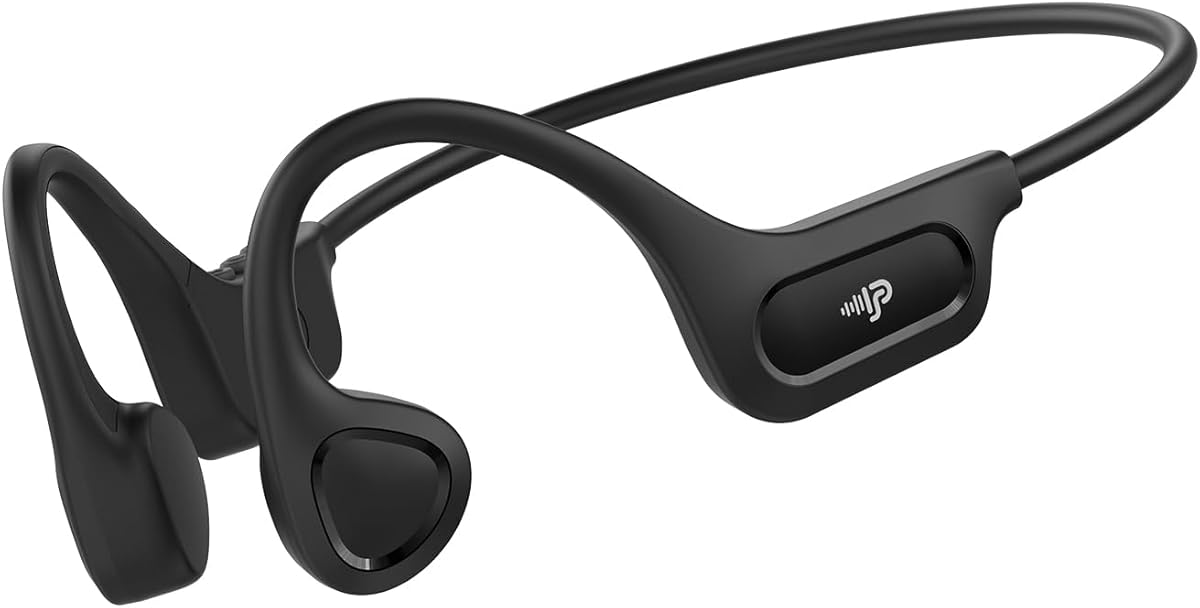
Bone conduction has stopped being a curiosity for triathlon kits alone. The PSIER 2026 upgrade open-ear headphones aim at everyday runners, cyclists, and gym regulars who want a soundtrack without sealing their ear canals—or missing a bike bell behind them.
This model leans on Bluetooth 6.0 pairing, a claimed 23g memory-titanium frame, IPX5 sweat and rain resistance, up to ten hours of playtime at moderate volume, and 13 mm bone conduction drivers with a fully enclosed cavity design meant to cut leakage. We look at fit security, outdoor awareness, call usability with the mic, and whether the open presentation still feels musical enough for long sessions.
If you already bounced sealed buds out on sprints or hate that clogged-ear feeling after an hour, use this review to decide whether PSIER’s open approach matches your routes and workouts.
PSIER’s pitch for the 2026 upgrade is situational awareness first, playlist second. Instead of silicone tips that block the canal, transducers sit against the cheekbones and vibrate sound through bone while your ears stay open to horns, footsteps, and coaching cues. That tradeoff defines the whole category: safer outdoor listening, less isolation, and a different bass personality than buds.
The fully enclosed cavity design and acoustic sealing story matter because bone conduction historically leaked more than people liked in quiet offices. PSIER claims up to about fifty percent less leakage versus older approaches, which helps on shared sidewalks and in quieter indoor stretches. You still should not expect library silence—open audio always radiates some sound—but the upgrade language targets people who abandoned earlier bands for that reason.
Comfort is where many open-ear products win or lose. At roughly 23 grams with a flexible memory-titanium frame, the headset is meant to contour without hotspots across temples. An adjustable strap is included for different head sizes, which is useful if you bounce between hat days and bare-head runs. Ear canals stay free for airflow, so the usual “stuffed ear” fatigue after long podcasts is less of an issue.
Wireless manners look current: Bluetooth 6.0 for quicker pairing and a claimed sixty-millisecond low-latency path, plus a roughly thirty-three-foot range in open space. Walls and bodies shrink that number, as always. Large 13 mm drivers with about 90 dB sensitivity aim for clearer mids and highs—the frequencies that carry vocals and podcast speech—while still delivering a balanced mix rather than a one-note buzz.
Battery life is listed up to ten hours at fifty percent volume, with Type-C charging back to full in about two hours and a long standby claim around two hundred hours. That pattern fits people who train most days and charge overnight rather than chasing week-long travel numbers. Keep a cable in the gym bag if you binge podcasts at higher volumes; louder listening shortens any headphone’s day.
IPX5 waterproofing is the right class for sweat and sudden rain, not pool laps. The listing explicitly says these are not for underwater use, which is an honest boundary many shoppers miss when they see “waterproof” in a title. Wipe salt sweat after hard sessions so the frame and pads stay comfortable.
Mic-equipped bone conduction headphones can handle quick calls between sets or a coaching check-in on the trail, though wind remains physics. Step out of a gust when the conversation matters. For music, expect punchy enough energy for tempo runs and spin classes, with awareness still audible underneath—raise volume carefully outdoors so you do not drown the environment you bought open-ear for.
Who should buy: runners, cyclists, hikers, and gym users who prioritize awareness and canal-free comfort. Who should hesitate: bass-first listeners, frequent fliers who need ANC hush, and swimmers. Within the open-ear niche, PSIER’s 2026 mix of Bluetooth 6.0, light titanium fit, IPX5 durability, and multi-hour battery is a coherent everyday training option.
Who it's for
Outdoor runners, cyclists, hikers, and gym regulars who want music or podcasts without losing environmental cues will get the most from these PSIER headphones. They also suit people who dislike ear-canal pressure after long wear.
Choose them when a light titanium frame, IPX5 sweat resistance, and Bluetooth 6.0 convenience matter more than sealed bass isolation.
Who should skip it
Skip if you need strong noise cancellation for flights or loud offices, or if you want club-level sub-bass. Swimmers and underwater athletes need a different waterproof class entirely.
Critical listeners mixing music in quiet rooms may also prefer sealed reference headphones.
Performance & daily use
On pavement and trails, open-ear presentation keeps traffic audible while 13 mm drivers handle playlists and spoken content. Low-latency Bluetooth helps video sync on treadmills or tablet workouts.
In windy conditions, podcast clarity can dip—nudge volume moderately and stay visually alert rather than maxing the drivers.
Setup, tips & verdict
Pair over Bluetooth 6.0, seat the transducers firmly on the cheekbone area, and use the adjustable strap if your head shape needs extra stability. Charge via Type-C after multi-session days and clean sweat from the frame.
Verdict: a practical 2026 open-ear pick for awareness-first training when comfort and weather resistance outrank isolation.
- Open-ear design keeps traffic and trail awareness during outdoor cardio
- Feather-light 23g frame plus titanium flex aims at pressure-free long wear
- Bluetooth 6.0 pairing and low-latency claim suit music and video sync
- IPX5 resistance handles sweat and sudden rain on outdoor workouts
- Type-C recharge with multi-hour battery covers most training days
- Bone conduction bass will not match sealed in-ear slam or club headphones
- IPX5 is sweat/rain rated—not for swimming or underwater use
- Loud streets and wind can compete with quieter podcast passages
FAQs
How do PSIER bone conduction headphones differ from regular earbuds?
They send sound through cheekbone vibration instead of sealing the ear canal. Your ears stay open to ambient noise, which helps outdoor safety but reduces bass slam and isolation compared with in-ear buds.
Are they good for running in traffic?
Yes—that is a primary use case for open-ear designs. You can hear music while still catching horns and footsteps, though you still need responsible volume and active awareness on busy roads.
What does the IPX5 rating cover?
IPX5 targets sweat and rain resistance for workouts and outdoor sessions. The product notes they are not suitable for underwater use, so leave them off for swimming.
How long does the battery last?
PSIER lists up to about ten hours of listening at fifty percent volume, with Type-C charging back to full in roughly two hours and a long standby claim. Higher volume shortens runtime.
Will they stay secure during intense workouts?
The flexible memory-titanium frame and light 23g build are meant for stable wear, and an adjustable strap is included for different head sizes. Shake-test the fit before a race or HIIT class.
Can I take phone calls with them?
Yes, they include a microphone for calls and coaching check-ins. Wind and loud gyms can still challenge any open mic, so step aside when clarity matters.
Do they leak a lot of sound?
PSIER markets upgraded acoustic sealing to reduce leakage versus older bone conduction designs. Some sound can still escape in quiet rooms, so keep volumes reasonable around others.
Is Bluetooth 6.0 worth caring about here?
It mainly means quicker pairing, a more stable link, and a low-latency mode useful for video. Range claims assume open space; walls reduce real-world distance.