Expert Review & Guide

Best Thin and Light Laptops for Travel in 2026

Thin and light sounds simple until you live with the compromises. Shave millimeters from a chassis and you often lose sustained CPU headroom, full-size ports, or a battery that survives a full day away from a charger. This roundup treats “ultrabook” as a daily-carry problem, not a marketing label: how thin is useful, how hot the deck gets under load, and whether you still need a dongle farm every time you dock at a desk.

We scored the pack on four practical tensions that define portable Windows (and Chrome OS) machines in 2026. First is carry math—thickness, claimed weight, and whether a 14-inch or 15.6-inch panel still fits a backpack without feeling like a desktop replacement. Second is thermal honesty: dual-fan Ryzen HS chips can stay thin and still push Radeon graphics, while fanless-leaning Intel N-series shells stay cool but throttle creativity and gaming. Third is I/O reality—USB-C power delivery, HDMI, USB-A, card readers, and whether Type-C is data-only. Fourth is memory and storage truthfulness, including upgraded eMMC-plus-dock kits and entry 4GB configs that look light on paper but struggle with modern browser tabs.

Ratings and listing details come from the product pack. Several machines are RAM/SSD-expanded or accessory-bundled retail SKUs—we call those out so you know what is soldered versus bolted on. One listing is a portable LED fill light, not a laptop; it stays in the comparison because it is in the pack and pairs with webcam-heavy thin notebooks. Our top three prioritize balanced thinness, cooling, and ports; the full reviews cover every product so you can match silicon, OS, and I/O to how you actually travel.

Our Top Thin and Light Laptop Picks

Best Overall

NIMO 15.6" AI-Ready Light Gaming Laptop

★★★★★9.4/10
NIMO 15.6" AI-Ready Light Gaming Laptop
  • Ryzen 7 8745HS with Radeon 780M for thin-chassis creative work and light games
  • 32GB DDR5 and 1TB PCIe 4.0 SSD with 75Wh battery and 100W USB-C PD charging
  • Under 1.7 kg carry weight, 180° hinge, backlit keyboard, and fingerprint login
Check Price →
Best Thermal Headroom

NIMO Thin & Light Gaming Laptop

★★★★★9.4/10
NIMO Thin & Light Gaming Laptop
  • Ryzen 7 7735HS and Radeon 680M with dual-fan cooling that resists early throttle
  • 16GB DDR5, 512GB NVMe, 100W USB-C charging, and a 54Wh portable battery pack
  • 15.6-inch FHD IPS anti-glare panel with fingerprint security and privacy shutter
Check Price →

As an Amazon Associate we earn from qualifying purchases. We may earn a commission at no additional cost to you.

Thin and Light Laptops Compared

Scan this table for the thinness-versus-power tradeoff before diving into reviews. Specs emphasize processor class, memory headroom, and port or cooling clues—not prices. Ultra-light Intel N-series machines win on cool silence; Ryzen HS NIMO models win when you need sustained graphics inside a still-portable shell. The LED light is an accessory for webcam calls on thin lids.

#ProductSpecificationsScore
1
  • Intel N150, 16GB DDR4, 416GB bundled storage kit
  • 14-inch HD, 0.71 in / 3.24 lb chassis
  • USB-C, 2x USB-A, HDMI, card reader, Wi-Fi 6
8.8
2
  • AMD Ryzen R2544 up to 3.7GHz, UHD graphics
  • 16GB DDR4, 512GB M.2 SSD, 16-inch FHD
  • 54.72Wh battery, USB 3.2, Type-C, Wi-Fi
10
3
  • AMD Ryzen 5 7430U 6-core/12-thread to 4.3GHz
  • 16GB DDR4 SODIMM, 512GB NVMe SSD
  • HDMI, Type-C, USB 3.2, Wi-Fi 6, Bluetooth 5.2
10
4
  • MediaTek Kompanio 520 octa-core, Chrome OS
  • 14-inch FHD touch, 4GB RAM, 64GB eMMC
  • 2.86 lb / 0.73 in, USB-A, USB-C, microSD, Wi-Fi 6
8.4
5
  • Ryzen 7 7735HS, Radeon 680M, dual-fan cooling
  • 16GB DDR5, 512GB NVMe, 15.6-inch FHD IPS
  • 100W USB-C PD, fingerprint, privacy shutter
9.4
6
  • Intel N150, 4GB DDR4, 128GB UFS + 128GB SD
  • 14-inch HD anti-glare, long battery + Fast Charge
  • USB-C, 2x USB-A, HDMI, Wi-Fi 6, Win 11 S mode
8.8
7
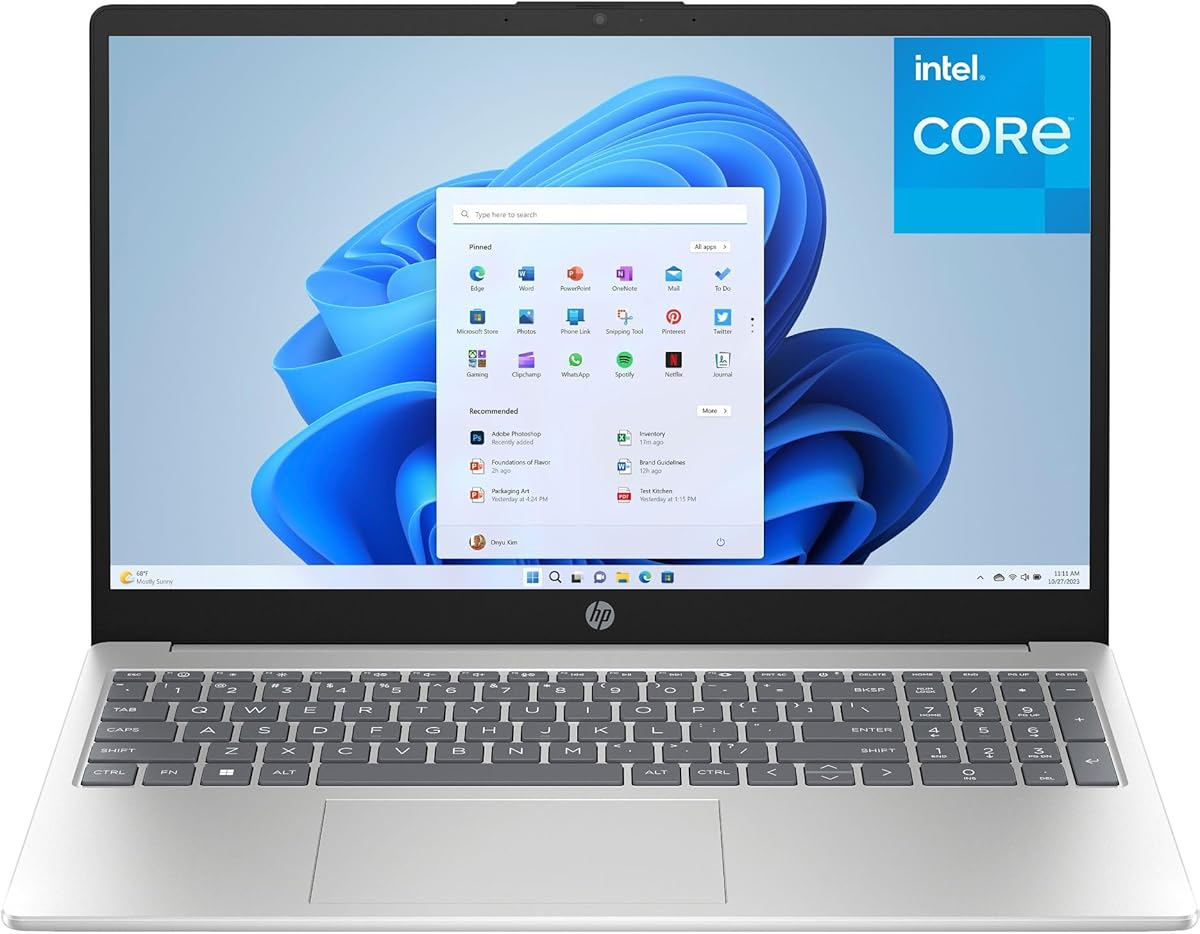
  • Intel N100, 8GB DDR4, 256GB PCIe SSD
  • 15.6-inch FHD anti-glare, 3.64 lb / 0.73 in
  • HDMI, 2x USB-A, USB-C data-only, Wi-Fi 6
8.6
8
  • Ryzen 7 8745HS, Radeon 780M, USB4
  • 32GB DDR5, 1TB PCIe 4.0 SSD, 75Wh battery
  • 100W USB-C PD, under 1.7 kg, 180° hinge
9.4
9
  • Ryzen 5 6600H, Radeon 660M, 16GB DDR5
  • 256GB SSD (upgradable), 15.6-inch FHD IPS
  • Dual full-function Type-C (PD+DP), HDMI 2.0
8.6
10
  • CRI 97+ panel, 3 modes, 10 brightness steps
  • Clip + tripod adapter, 2200mAh rechargeable
  • 95g pocket fill light for thin-laptop webcams
9.2

1. HP 14 Ultra Light 16GB - Best Everyday Carry

HP 14-inch Ultra Light Laptop W/1 Year Office 365&AI-Copilot

HP 14-inch Ultra Light Laptop W/1 Year Office 365&AI-Copilot

8.8/10★★★★☆

If your definition of thin and light is “disappears in a tote and still plugs into a classroom projector without hunting for a dongle,” this HP 14 is the clearest everyday answer in the pack. At roughly 0.71 inches thick and a bit over three pounds, it hits the classic ultrabook silhouette while keeping USB-A, HDMI, a headphone jack, a media card reader, and USB-C on the same chassis. That I/O density is exactly where many prestige thin lids fail: they win the caliper contest and lose the meeting.

  • Intel N150 with 16GB DDR4 for cool multitasking
  • 0.71-inch thin, 3.24 lb, 14-inch HD panel
  • USB-C, dual USB-A, HDMI, media reader, Wi-Fi 6
Check Price →
✓ Pros
  • Genuinely thin and light with a full everyday port layout
  • 16GB RAM makes browser-heavy Office work far more realistic than 4GB twins
  • Bundled docking storage kit softens the small internal drive
  • Quiet, efficient N150 behavior suits trains, libraries, and shared desks
  • Office 365 year and Copilot hooks help new Windows users start productive
✕ Cons
  • HD panel and Intel graphics are not for color work or serious gaming
  • Storage is a hybrid UFS-plus-dock story, not a single fast internal SSD
  • Seal-opened upgrade path means warranty is split across vendors

Detailed review

Thermals are the other half of why it earns Best Everyday Carry. The Intel Processor N150 is an efficiency chip, not a sustained workstation core. Under Word, Chrome, Teams, and light photo viewing it stays composed and cool enough that you can work on your lap without the palm-rest toast that HS gaming shells sometimes produce. Push it into export-heavy editing or modern AAA titles and the thinness stops being an advantage—the silicon simply was not designed for that heat envelope. Treat it as a portable productivity machine and the thermal tradeoff feels honest.

Memory configuration is the real upgrade story. Sixteen gigabytes of DDR4 is the difference between “thin laptop that feels stuck” and “thin laptop that can keep a research stack open.” That matters more on a 14-inch travel machine than raw CPU nameplates. Storage is less elegant: the listing combines 128GB UFS-class internal capacity with a 256GB docking station and a 32GB microSD adapter for a marketed 416GB kit. Plan for cloud files or the dock in the bag; do not assume a single sealed NVMe experience.

The listing also notes that the seal may be opened for the RAM/SSD-style upgrade path, with a third-party warranty on upgraded parts and HP’s warranty on remaining components. That is common in Amazon-expanded notebooks, but it is not the same as a factory 16GB/SSD SKU from HP. Read the warranty split before you buy if you need corporate-grade support paperwork.

For ports-versus-thinness, this machine is the teaching example of the category. You keep HDMI for projectors, dual USB-A for mice and flash drives, and USB-C for modern accessories, all inside a sub-inch lid. Wi-Fi 6 and Bluetooth cover cafe and campus networks. HP Fast Charge (about 0–50% in roughly 45 minutes per the listing) fits the commute pattern: short plug-ins between classes rather than hours parked at a wall. The HD camera and Copilot/Office bundle round out a student-or-remote-worker kit that prioritizes cool silence over peak FPS.

Choose this when your bag priority is true thin carry, your workload is documents-browser-calls, and you refuse to carry a hub every day. Skip it if you need FHD sharpness, discrete-class graphics, or a single large internal SSD with no accessory storage. In this pack, it is the most convincing “ultrabook lifestyle” Windows pick that still remembers ports exist.

Who should buy this HP 14

Students, hybrid workers, and travelers who live in Office, browser research, and video calls. Ideal if you want a green, slim shell that still speaks HDMI and USB-A without a pouch of adapters.

Not for creators who color-correct video, engineers running heavy local VMs, or anyone who expects thin-and-light to equal gaming-laptop thermals.

Thinness vs ports in practice

The 0.71-inch profile is the win; the port row is the reason it stays useful. Expect cooler sustained office loads than the Ryzen HS NIMO machines, and expect less headroom when loads spike. Pair with cloud storage or the included dock kit so the thin chassis does not become a storage bottleneck.

Check Price on Amazon →

We may earn a commission at no additional cost to you.

2. KAIGERR Light Gaming Laptop - Best Large-Screen Value

KAIGERR Light Gaming Laptop

KAIGERR Light Gaming Laptop

10/10★★★★★

KAIGERR’s 16-inch light gaming notebook sits in the awkward middle of the thin-and-light conversation: it wants the portable label, but the priority is a big FHD workspace rather than the skinniest millimeter count. That is not a flaw if your bag can take a taller lid. For writers, analysts, and casual players who hate 14-inch text density, the thin-bezel 16-inch panel is the feature that earns the “Best Large-Screen Value” badge in this pack.

  • AMD Ryzen R2544 up to 3.7GHz with UHD graphics
  • 16-inch FHD thin-bezel panel, 16GB DDR4, 512GB SSD
  • 54.72Wh battery, USB 3.2, Type-C, expandable SSD path
Check Price →
✓ Pros
  • 16-inch FHD canvas feels roomy without jumping to a desktop chassis
  • 16GB RAM and 512GB SSD are a sensible baseline for light creative multitasking
  • SSD can expand up to 2TB per listing for long-term storage growth
  • 54.72Wh battery claim supports unplugged sessions away from a brick
  • Brand lists 12-month repair support and ongoing technical help
✕ Cons
  • Integrated UHD graphics and R2544 silicon are “light gaming,” not a thin RTX substitute
  • Less brand familiarity than HP/Lenovo for warranty logistics
  • True ultrabook thinness is secondary to screen size in this design

Detailed review

Performance framing in the listing emphasizes beating older Celeron N-series chips with an AMD Ryzen R2544 that boosts to 3.7GHz, plus integrated UHD graphics clocked up to 1200MHz. Translate that into real expectations: smoother browser and Office multitasking than entry Netbooks, acceptable esports-light or older titles at modest settings, and a firm ceiling once you ask for modern high-settings gaming or GPU-bound export. Thermals will track that mid-tier silicon—warmer than an N150 HP when pushed, cooler than a dual-fan 7735HS NIMO when both are loaded hard, assuming ventilation is not blocked on a soft couch.

Memory and storage are the practical strengths. Sixteen gigabytes of DDR4 plus a 512GB M.2 SSD is the configuration many budget “light” machines advertise but do not deliver. The listing also notes TF-card expansion and that the SSD can be replaced up to 2TB. That upgrade path matters more on a lesser-known brand chassis: buy for today’s work, leave a path for tomorrow’s media library without replacing the whole laptop.

Ports land in the modern-minimum camp—USB 3.2 and Type-C are called out, with Wi-Fi for campus networking. Compared with the HP 14 Ultra Light, you trade a richer documented I/O set (HDMI, dual USB-A, card reader spelled out) for a larger canvas and a faster storage baseline. If your desk already has a USB-C hub, that trade can be fine. If you live on projectors and USB mice, verify the exact side-port layout on the listing photos before you commit.

Battery capacity is listed at 54.72Wh, which is a credible portable pack for mixed office use if brightness and radios stay reasonable. “Light gaming” will drain faster; plan for the adapter when frame rates matter. KAIGERR’s support promise—unlimited technical support language and 12 months of repair—should be treated as brand policy to confirm at purchase, but it acknowledges that lesser-known thin laptops need a support story.

Buy this when the 16-inch FHD screen is the point and you want 16/512 without stepping into the heavier NIMO HS class. Skip it if you need proven enterprise warranty channels, HDMI-first classrooms, or true sub-three-pound carry every day. It is a large portable, not a featherweight ultrabook—and that honesty is why it still belongs in a thin-and-light shortlist for screen-first buyers.

Who it fits

Students and remote workers who prioritize screen real estate over absolute minimum weight, plus casual players who understand “light gaming” means integrated graphics.

Thermals and expectations

Keep vents clear and close background apps before games, as the listing advises. For thin-chassis honesty: this is cooler-running than HS dual-fan machines at idle office loads, but it will not match their sustained creative throughput when both are stressed.

Check Price on Amazon →

We may earn a commission at no additional cost to you.

3. Light Gaming Laptop Ryzen 7430U - Best Midrange Ryzen

Light Gaming Laptop

Light Gaming Laptop

10/10★★★★★

This Ryzen 5 7430U “light gaming” portable is the bridge between cool Intel N150 ultrabooks and the hotter, stronger NIMO HS machines. Six cores and twelve threads on Zen 3, with turbo up to 4.3GHz and 16MB of L3 cache per the listing, give you real multitasking headroom for coding labs, multi-tab research, and light game sessions that would stutter on 4GB entry HPs. It is still a U-class efficiency chip, so treat “gaming” as competitive-light and indie-friendly rather than high-preset AAA.

  • Ryzen 5 7430U Zen 3, 6 cores / 12 threads to 4.3GHz
  • 16GB DDR4 SODIMM, 512GB M.2 NVMe SSD
  • HDMI, Type-C, USB 3.2, card slot, Wi-Fi 6, BT 5.2
Check Price →
✓ Pros
  • 6-core Zen 3 U-series silicon is a clear step up from Intel N-class thin lids
  • Documented port mix includes HDMI, Type-C, USB 3.2, and a memory card slot
  • 16GB/512GB NVMe baseline suits office plus light creative work
  • AMD Radeon graphics help photo edits and lighter games versus basic UHD
  • Compact portable framing without pretending to be a 2.5 lb Air clone
✕ Cons
  • Seller branding overlaps other KAIGERR-style listings—compare ASIN details carefully
  • U-series boosts still need airflow; thin shells can fan up under export loads
  • Not the pack’s strongest integrated GPU versus 680M/780M NIMO models

Detailed review

The thinness-versus-thermals story here is classic U-series: the chassis can stay portable because the chip was designed for lower sustained packages than an H/HS part, but when you lean on all twelve threads the fans will announce themselves. That is healthier than silent thermal throttle on a sealed shell—just do not expect library-quiet under Blender or long HandBrake jobs. For Word, Chrome, Slack, and 1080p streams, the thermal personality should feel closer to a modern thin office notebook than a gaming brick.

Ports are a standout relative to many mystery-brand thin laptops. The listing explicitly calls out HDMI, Type-C, a 3.5mm TRRS jack, a memory card slot, and USB 3.2, plus Wi-Fi 6 and Bluetooth 5.2. That mix respects how people actually dock: projector in a classroom, SD cards from a camera, wired headset on a noisy train. In a roundup about ports versus slimness, documented I/O beats vague “Type_C” marketing every time.

Sixteen gigabytes of SODIMM DDR4 and a 512GB NVMe SSD form a coherent midrange kit. SODIMM language suggests memory may be more serviceable than soldered LPDDR in some ultraportables—confirm with the seller if upgradeability is a purchase requirement. NVMe boot and app load times will feel dramatically better than eMMC Chromebooks or UFS-plus-SD HP kits when you open large folders and IDEs.

Graphics land on integrated AMD Radeon—fine for photo edits, light timeline scrubbing, and older or esports titles at sensible settings. Creators who live in After Effects or engineers compiling large C++ trees all day will still prefer the NIMO 7735HS/8745HS dual-fan designs. Those machines trade a bit more bulk and fan noise for sustained clocks; this 7430U trades peak GPU for a calmer portable profile.

Pick the 7430U model when you want Zen 3 multitasking, honest ports, and a still-carryable “light gaming” shell without paying the thermal and weight tax of HS silicon. Skip it if you already know you need Radeon 680M/780M class iGPU or if brand familiarity and retail footprint matter more than the CPU generation on the badge.

Versus the NIMO HS models

Choose 7430U for cooler average office days and a simpler port story. Choose NIMO 7735HS or 8745HS when dual-fan cooling and stronger Radeon graphics justify a thicker portable profile.

Setup notes

Update chipset and AMD graphics drivers early, enable Windows performance mode only when plugged in for exports, and keep the intake clear on hard desks. Card-slot workflows pair well with travel photography kits.

Check Price on Amazon →

We may earn a commission at no additional cost to you.

4. Lenovo Flagship Chromebook - Best Featherweight Chrome OS

Lenovo Flagship Chromebook

Lenovo Flagship Chromebook

8.4/10★★★★☆

Lenovo’s 14-inch Flagship Chromebook is the pack’s purest expression of thinness without apology. At 2.86 pounds and 0.73 inches, with a 14-inch FHD touch IPS panel, it is built for backpack life: Google Classroom, Docs, Zoom-in-browser, and cloud backups instead of local Steam libraries. If your thin-and-light requirement is literal weight and cool fanless-leaning MediaTek efficiency, this is the cleanest school-and-web answer here.

  • MediaTek Kompanio 520 octa-core, Chrome OS
  • 14-inch FHD IPS touch, 4GB RAM, 64GB eMMC
  • 2.86 lb, 0.73 in, USB-A, USB-C, microSD, Wi-Fi 6
Check Price →
✓ Pros
  • True thin-and-light carry at 2.86 lb with a slim Abyss Blue shell
  • FHD touch IPS is sharper for reading than many HD Windows budget lids
  • Chrome OS stays simple, secure, and quick for cloud-first schoolwork
  • USB-A plus USB-C plus microSD covers common classroom peripherals
  • Privacy shutter webcam and dual array mics suit online classes
✕ Cons
  • 4GB RAM and 64GB eMMC are tight for heavy local files or endless tabs
  • Android/Linux app support is not a full Windows software substitute
  • Not for offline creative suites that assume Win32 installers

Detailed review

The MediaTek Kompanio 520 octa-core design (four A73 and four A53 cores at up to 2.0GHz) targets class-leading battery behavior and everyday snappiness inside Chrome OS. Thermals stay friendly because the software stack and chip are aligned for light continuous loads. That is the opposite of forcing a Windows gaming iGPU into a sealed slab—you gain silence and battery, you lose native Adobe desktop workflows and many engineering tools.

Memory and storage are the honest constraints. Four gigabytes of RAM can feel adequate on Chrome OS when you live in a handful of tabs and progressive web apps; it feels cramped if you keep dozens of extensions and progressive web “apps” pinned. Sixty-four gigabytes of eMMC is a cloud-first drive—use Google Drive and the microSD reader for media. Students who download entire semester video libraries locally will hit the wall fast.

Ports punch above many ultraportables: USB-A 3.2 Gen 1, USB-C 3.2 Gen 1, microSD, and a 3.5mm combo jack, with Wi-Fi 6 and Bluetooth 5.1. In a thinness-versus-ports frame, Lenovo kept the classroom essentials instead of going USB-C-only. The 720p webcam with privacy shutter is a small but meaningful detail for dorms and shared housing.

Touch on a 1920x1080 IPS panel makes annotation and navigation nicer than the HD non-touch HP 14s when you are marking PDFs or navigating Chrome OS UI. Viewing angles help when you share a screen on a library table. Brightness and color science will still trail premium OLED ultrabooks—this is a school tool, not a colorist’s panel.

Buy the Lenovo Chromebook when Chrome OS matches your IT world and you want the lightest serious 14-inch carry in the pack. Skip it if your professors or workplace require Windows-only software, local VMs, or heavy offline media. As a thin-and-light specialist, it wins on weight and cool efficiency—and it refuses to pretend it is a gaming portable.

Who should choose Chrome OS here

K–12 and many college students in Google Workspace schools, families who want a locked-down web appliance, and travelers who live in browser apps and hate Windows update theater.

Thinness vs capability

This is the pack’s lightest laptop-class device. Capability is cloud-bound: expand with microSD and Drive, not with a discrete GPU fantasy. Pair with the pack’s LED fill light if dorm lighting makes the webcam look muddy.

Check Price on Amazon →

We may earn a commission at no additional cost to you.

5. NIMO Thin & Light Gaming Laptop - Best Thermal Headroom

NIMO Thin & Light Gaming Laptop

NIMO Thin & Light Gaming Laptop

9.4/10★★★★★

NIMO’s Ryzen 7 7735HS thin-and-light gaming laptop is where this roundup’s theme gets sharp: you can stay portable and still reject the idea that every slim lid must throttle into uselessness. Eight cores, sixteen threads, boosts up to 4.75GHz, and Radeon 680M graphics give you a creative-and-esports toolkit that Intel N150 and Chromebook silicon cannot touch. The dual-fan cooling system is called out specifically to keep sustained performance from collapsing—the defining feature behind the Best Thermal Headroom badge.

  • Ryzen 7 7735HS 8-core/16-thread with Radeon 680M
  • 16GB DDR5, 512GB NVMe, dual-fan cooling system
  • 15.6-inch FHD IPS anti-glare, 100W USB-C, 54Wh battery
Check Price →
✓ Pros
  • Dual-fan cooling is the pack’s clearest answer to thin-chassis throttle anxiety
  • Radeon 680M meaningfully outclasses basic UHD for light games and edits
  • DDR5 memory and NVMe SSD keep heavy multitasking responsive
  • Fingerprint sensor and privacy shutter suit shared campus and cafe work
  • 100W USB-C charging doubles as a modern phone-friendly power brick
✕ Cons
  • Fans will be audible under gaming and export loads—thinness has a noise cost
  • 15.6-inch gaming-leaning body will not match a 2.8 lb Chromebook in a bag
  • 54Wh battery is portable but not magical under GPU load

Detailed review

Thin-and-light marketing often hides a single tiny heat pipe. Here the listing leans into dual-fan airflow for gaming, rendering, and multitasking. Practically, that means you should expect fan spin when the iGPU and CPU are both busy, and you should expect more consistent clocks than a passively leaning ultraportable under the same load. Use it on a hard surface; soft bedding will undo the engineering. For business travel, that thermal honesty is preferable to a silent machine that becomes slow twenty minutes into a compile.

The 15.6-inch FHD IPS anti-glare panel is the right compromise for portable productivity: enough pixels for split documents, coating that survives fluorescent classrooms, and a 180°-class hinge for sharing the screen across a table. It is not an OLED dazzler, and it does not need to be. Color and brightness are “get work and light games done,” which matches the Radeon 680M’s role as a strong integrated GPU rather than a thin discrete substitute.

Sixteen gigabytes of DDR5 plus a 512GB NVMe PCIe SSD is a modern baseline that respects how heavy Chrome, IDEs, and Discord can get. Boot and game install times will feel in a different league from eMMC Chromebooks. If your library is huge, budget an external drive—512GB fills quickly with modern titles—but the internal speed remains a quality-of-life win for a portable workstation.

Ports and power deserve attention in any thinness debate. One hundred watt Type-C charging means fewer proprietary brick anxieties and the ability to top up phones from the same ecosystem of PD chargers. The 54Wh battery supports mobile days of mixed work; under sustained gaming you will want the wall. Fingerprint login and a physical webcam shutter address the reality that thin laptops often leave the house—cafes, dorms, coworking desks—where privacy features earn their keep.

Choose this NIMO when you want thin-adjacent portability without surrendering cooling or iGPU strength. It is heavier and louder under load than the HP 14 Ultra Light, and that is the point: thermals and ports (plus PD charging) beat caliper bragging when your work actually spikes. Skip it only if absolute minimum weight or silent libraries matter more than sustained Ryzen performance.

Who gets the most from dual-fan thin gaming

CS and engineering students compiling locally, creators doing 1080p edits, and players who want Valorant-class titles without dragging a thick RGB desktop replacement across campus.

Setup for cooler sustained runs

Use a raised stand or hard desk, keep Windows power mode Balanced for classwork and High Performance when plugged in for exports, and dust the vents periodically. The 180° hinge is excellent for group review—just mind airflow when the lid is nearly flat.

Versus the 8745HS AI-Ready NIMO

This 7735HS model wins if you prioritize proven 680M gaming efficiency and dual-fan messaging at a 16GB/512GB kit. Step to the 8745HS AI-Ready unit when you want newer silicon, 32GB/1TB headroom, a larger 75Wh battery, and USB4 on the checklist.

Check Price on Amazon →

We may earn a commission at no additional cost to you.

6. HP 14 Ultra-Light 4GB - Best Budget Slim Starter

HP 14 14" Ultra-Light Laptop

HP 14 14" Ultra-Light Laptop

8.8/10★★★★☆

This Sky Blue HP 14 is the thin-and-light starter kit: Intel N150 efficiency, a familiar HP port layout, and a price-minded 4GB/128GB-plus-SD configuration aimed at homework and household browsing. It shares the category virtues of the 16GB green Ultra Light—USB-C, dual USB-A, HDMI, Wi-Fi 6, Fast Charge thinking—but the memory ceiling changes who should buy it. Treat 4GB as a deliberate constraint, not a footnote.

  • Intel N150, 4GB DDR4, 128GB UFS + 128GB SD card
  • 14-inch HD anti-glare, long battery life, Fast Charge
  • USB-C, 2x USB-A, HDMI, Wi-Fi 6, Windows 11 S mode
Check Price →
✓ Pros
  • Same slim HP 14 lifestyle ports as the 16GB sibling at a starter configuration
  • Office 365 year and Copilot hooks help first-time Windows households
  • Claimed long battery life and Fast Charge fit all-day school schedules
  • Sky Blue thin shell looks intentional rather than generic gray plastic
  • Expanded SD storage includes a longer third-party warranty on that card
✕ Cons
  • 4GB RAM is the hard limit—modern multitasking will feel tight quickly
  • HD 1366x768 panel is workable, not pleasant for long split-screen work
  • Windows 11 S mode needs a one-time switch for sideloaded apps

Detailed review

Thermally, the N150 story remains attractive. Everyday documents, streaming, and Zoom sessions stay within a cool, quiet envelope that flatters a thin chassis. That is the win for parents buying a first laptop: the machine does not scream or cook during online class. The loss is concurrent apps—open a dozen tabs, a slideshow, and a video call, and you will feel the RAM wall before you feel a thermal wall.

Display and storage set expectations. The 14-inch HD anti-glare panel at 250 nits and roughly 65% NTSC is readable for text and video, not a creative canvas. Storage markets 256GB as 128GB UFS plus a 128GB SD card, with a disclosure that the laptop is expanded and the SD portion carries a longer Issaquah Highlands Tech warranty while HP covers other components for a year. Plan critical files on cloud or the SD card, and understand the hybrid nature of the drive story.

Windows 11 Home in S mode ships locked to Microsoft Store apps for security and simplicity. Switching out of S mode is straightforward in Activation settings if you need Chrome outside the Store or specialty school software. Do that intentionally; S mode is fine for many households and restrictive for developers.

Ports again punch above “ultrabook” stereotypes: HDMI for TV homework nights, USB-A for printers and mice, USB-C for newer accessories, and an audio jack. The listing notes external monitor support up to 4K at 60Hz through HDMI/USB-C pathways—useful if the HD lid is the compromise you accept in the bag but not at a desk. HP True Vision 720p helps remote learning; lighting still matters in dim dorms.

Buy this when budget and true slim carry matter more than multitasking headroom, and when Office-plus-browser is the whole job. Strongly prefer the 16GB Ultra Light sibling in this same pack if you can—same thinness philosophy with a memory kit that matches 2026 web reality. Skip the 4GB unit if you already know you juggle heavy tab counts or local creative apps.

When 4GB is acceptable

Younger students with light Chrome/Edge habits, households that mainly stream and write short documents, and secondary machines that live in the kitchen for recipes and email.

Versus the 16GB HP Ultra Light

Same thinness and port philosophy; different daily sanity. Upgrade to 16GB unless the starter kit is strictly a gift for minimal cloud work. The docking-heavy 16GB listing also packages more accessory storage for travel.

Check Price on Amazon →

We may earn a commission at no additional cost to you.

7. HP Pavilion 15.6 FHD - Best Campus FHD Portable

HP Pavilion 15.6" FHD Laptop

HP Pavilion 15.6" FHD Laptop

8.6/10★★★★☆

HP’s Pavilion 15.6 FHD “2026 Edition” portable is the campus notebook that chooses readable pixels over absolute featherweight. At 0.73 inches and 3.64 pounds it still qualifies for thin-and-light conversation in the 15.6-inch class, especially with an anti-glare Full HD panel that makes PDFs and slide decks less squinty than 1366x768 ultraportables. If your thinness requirement is “slides into a backpack” rather than “vanishes beside a paperback,” this Pavilion is a pragmatic pick.

  • Intel N100 up to 3.4GHz, 8GB DDR4, 256GB PCIe SSD
  • 15.6-inch FHD anti-glare, 3.64 lb, 0.73-inch thin
  • HDMI, 2x USB-A, USB-C data-only, Wi-Fi 6, numeric keypad
Check Price →
✓ Pros
  • FHD 15.6-inch panel is easier for long reading than HD 14-inch budget lids
  • True PCIe SSD beats eMMC/UFS hybrids for boot and app snappiness
  • 0.73-inch thin and 3.64 lb keep it backpack-realistic for a 15.6-inch class
  • Privacy shutter, mic mute, and numeric keypad suit classroom-to-office days
  • Wi-Fi 6 helps in crowded dorms and lecture halls
✕ Cons
  • USB-C is data-only—no charging or video over that port per the listing
  • N100 and 8GB are light-office silicon, not creator or gaming headroom
  • Larger footprint than the 14-inch Ultra Light HPs despite similar thickness

Detailed review

Intel N100 with four cores up to 3.4GHz and 8GB of DDR4 targets papers, Zoom, research tabs, and streaming. Thermals stay in the efficient-chip comfort zone: cool enough for lap use during lectures, with little drama until you ask for local video export or modern games. That is the Pavilion bargain—quiet thinness without HS fans, and without HS performance.

Storage is a clean win versus several pack mates: a 256GB PCIe NVMe SSD means one coherent fast drive instead of UFS-plus-SD marketing math. Students feel that every time Visual Studio Code, a browser, and a PDF reader open together. Eight gigabytes of RAM is workable for disciplined tab habits and painful for chaotic ones; close what you do not need.

Ports need a careful read because this is where thin Pavilion designs sometimes disappoint power users. You get HDMI 1.4b for projectors, two USB-A ports, Bluetooth 5.3, and a USB-C port that the listing explicitly marks as data only—no charging and no video output on that Type-C. In a roundup obsessed with ports versus slimness, that note matters: bring the 45W Smart AC adapter for power, and do not assume a single USB-C cable docks your whole desk.

Quality-of-life features are stronger than the CPU suggests. A full-size keyboard with numeric keypad helps spreadsheet classes. HP True Vision 720p with temporal noise reduction and dual mics covers online sections. Camera privacy shutter and a mic mute key are the right defaults for shared housing. Matte light gray styling looks more “carry to office hours” than gamer plastic.

Buy the Pavilion when FHD screen comfort, a real SSD, and HP’s campus portability package matter more than peak silicon. Skip it if you need USB-C Power Delivery or DisplayPort alternate mode, or if you already know 8GB/N100 will frustrate your workload—then step to a NIMO Ryzen HS machine or the 16GB HP 14 Ultra Light depending on whether you prioritize GPU headroom or absolute slim carry.

Port reality check

Plan on the barrel-style Smart AC for charging. Use HDMI for classrooms. Keep a USB-A hub if you outgrow the two Type-A ports. Do not buy this expecting Thunderbolt-style single-cable docking.

Who it is for

Undergraduates writing papers, watching lectures, and living in Wi-Fi 6 dorms. Less ideal for CS majors compiling large projects or anyone editing 4K timelines on the go.

Check Price on Amazon →

We may earn a commission at no additional cost to you.

8. NIMO 15.6 AI-Ready Light Gaming Laptop - Best Overall

NIMO 15.6" AI-Ready Light Gaming Laptop

NIMO 15.6" AI-Ready Light Gaming Laptop

9.4/10★★★★★

If thin-and-light in 2026 means “I will carry it daily, but I refuse to wait on exports,” the NIMO AI-Ready 15.6-inch machine is the pack’s Best Overall. Ryzen 7 8745HS with eight cores and sixteen threads boosting toward 4.9GHz, Radeon 780M graphics, a 32GB DDR5 headline configuration, and a 1TB PCIe 4.0 SSD form a coherent creator-student workstation that still claims a sub-1.7 kg carry weight. That is the modern portable contract: not the absolute thinnest lid, but thin enough, with ports and power that respect how work actually happens.

  • Ryzen 7 8745HS, Radeon 780M, USB4 connectivity
  • 32GB DDR5, 1TB PCIe 4.0 SSD, 75Wh + 100W USB-C PD
  • 15.6-inch FHD, under 1.7 kg, 180° hinge, fingerprint
Check Price →
✓ Pros
  • Strongest balanced kit in the pack: 32GB RAM, 1TB SSD, modern Ryzen 7 HS
  • Radeon 780M covers creation, streaming, and light competitive games
  • 75Wh battery plus 100W USB-C PD fits real mobile creator days
  • USB4 and expandability messaging future-proof desk docking
  • Two-year warranty and under-1.7 kg carry claim support travel use
✕ Cons
  • Still a 15.6-inch performance portable—not a 2.5 lb prestige ultrabook
  • Fans and heat will rise under AI/export/game loads despite the light label
  • Listing memory language should be double-checked against the 32GB headline kit

Detailed review

Thermals are the negotiated peace treaty. HS-class Ryzen parts need airflow; NIMO positions this as a light gaming and AI-ready chassis rather than a fanless slab. Expect audible cooling when Radeon 780M and the CPU share a heavy load—local AI tools, 1080p timelines, and esports titles in Performance mode. In exchange you get the sustained headroom that N150 ultraportables cannot invent with marketing. Keep vents clear and prefer hard desks; the 180° hinge is for sharing screens, not for blocking intakes on a comforter.

Battery and charging align with travel creators. A 75Wh pack is meaningfully larger than the 54Wh class used on several siblings, which shows up in mixed-duty unplugged hours. The included 100W USB-C PD charger restores power during short breaks and can play nicely with other PD devices. That is a ports-and-power win: one modern charging standard instead of a lonely proprietary tip living forever in your backpack.

USB4 on a thin-ish creative laptop matters more than another RGB sticker. High-bandwidth peripherals, faster external SSDs, and cleaner desk docks become realistic. Pair that with HDMI-era classroom habits and fingerprint-on-touchpad login, and you get a machine that moves between studio, lecture, and cafe without feeling unfinished. The backlit keyboard helps red-eye flights and dark dorm rooms where thin prestige machines sometimes omit lighting.

Radeon 780M is the entertainment and creation multiplier. The listing’s game examples—Minecraft, Roblox, Valorant, League, Rocket League, Fortnite in Performance mode—match integrated RDNA 3 expectations at 1080p with sensible settings. Photo and short-form video work feel native; heavy 4K multi-stream timelines still belong on bigger cooled towers. For AI-assisted design and multitasking with huge tab/spreadsheet stacks, the 32GB memory headline is the feature that keeps the “light” chassis from feeling small inside.

Expandability notes in the listing—extra memory headroom language and dual M.2 paths—are worth confirming against the exact unit you receive, because some marketplace copy mixes 16GB upgrade talk with 32GB configured kits. Buy from the ASIN in this pack, verify the order page shows 32GB/1TB, and keep the two-year warranty paperwork. Done right, this is the portable that best balances slim carry, thermal honesty, and modern ports in the entire set.

Choose it as your default if you want one bag laptop for classes, light games, and creative side projects. Choose the cooler HP 14 Ultra Light 16GB instead if silence and absolute slimness beat GPU headroom. Choose the 7735HS NIMO if you prefer that dual-fan 680M kit and a simpler 16/512 configuration. For most power-portable buyers in this pack, the 8745HS AI-Ready model is the coherent top pick.

Who should buy Best Overall

College creators, coding students with local environments, hybrid workers who edit on the side, and travelers who need USB-C PD plus serious RAM without a 2.8 kg gaming brick.

Thinness vs thermals verdict

You are not buying a fanless prestige wafer. You are buying a light 15.6-inch HS machine that admits air needs space. That honesty is why it wins the roundup: ports, battery, and cooling are aligned with the silicon instead of fighting it.

Desk setup tip

Use USB4/USB-C docking when possible, park the 100W PD brick in the bag as the universal charger, and add the pack’s LED fill light if your webcam lighting is the weak link in an otherwise strong portable kit.

Check Price on Amazon →

We may earn a commission at no additional cost to you.

9. NIMO 15.6 Ryzen 5 6600H - Best Upgradable Portable

NIMO 15.6" IPS FHD-Light Gaming-Laptop

NIMO 15.6" IPS FHD-Light Gaming-Laptop

8.6/10★★★★☆

The NIMO N153-class Ryzen 5 6600H portable earns Best Upgradable Portable because it treats thin-and-light ownership as a multi-year project. Six cores boosting to 4.5GHz, DDR5 memory, Radeon 660M graphics, and explicit RAM/SSD serviceability mean you can start at 16GB/256GB and grow instead of discarding the chassis when storage fills. In a market of soldered ultraportables, that philosophy is as important as millimeter counts.

  • Ryzen 5 6600H 6-core to 4.5GHz with Radeon 660M
  • 16GB DDR5, 256GB SSD with RAM/SSD upgrade path
  • Dual full-function Type-C (PD+DP+Data), HDMI 2.0, 100W
Check Price →
✓ Pros
  • Dual full-function Type-C ports with PD and DisplayPort are a docking dream
  • User-upgradable RAM and SSD messaging extends lifespan past the 256GB boot drive
  • Radeon 660M plus 6-core H-series suits light games and serious multitasking
  • Backlit keyboard, fingerprint, and hidden webcam privacy fit mobile pros
  • Two-year warranty and 90-day exchange language reduce purchase risk
✕ Cons
  • 256GB SSD fills fast—budget a second drive early
  • H-series thermals need ventilation; thinner shells will fan assertively
  • Older than the 8745HS AI-Ready sibling for peak iGPU and efficiency

Detailed review

Thermals follow H-series rules. The 6600H was built for higher sustained packages than U-series chips, so fans are part of the product. Under competitive games, engineering tools, or video encodes, expect audible cooling and a warmer deck than an Intel N150 HP. Under documents and calls, it can settle down. The thin-and-light label here means “portable 15.6-inch performance,” not “silent prestige slab.” Give it airflow and it rewards you with steadier clocks than sealed efficiency machines under the same spikes.

Ports are a highlight of the entire pack. Dual full-function Type-C ports with Power Delivery, DisplayPort, and data—plus HDMI 2.0 and multiple USB 3.2 ports—solve the dongle fatigue that ruins many thin laptops. Dual external monitors and single-cable desk setups become realistic. That is the correct answer to the ports-versus-slimness debate: keep the chassis carryable, keep the I/O adult.

The 15.6-inch FHD IPS panel covers classes, streaming, and split-screen coding. Backlighting helps night work; fingerprint on the touchpad speeds cafe logins; a physical hidden webcam addresses privacy without software theater. One hundred watt Type-C charging matches the other NIMO portables’ travel story—top up during a layover, then unplug for the meeting.

Two hundred fifty-six gigabytes is the honest weakness at purchase. Modern Windows updates, a creative app or two, and a game client will pressure that drive. Because the machine is marketed as SSD-upgradable, plan a same-weekend NVMe upgrade if you buy it as a primary computer. Sixteen gigabytes of DDR5 is a fine multitasking start; upgrade further if your workloads are VM-heavy.

Warranty framing—two years plus a 90-day worry-free return/exchange window per the listing—matters on marketplace performance portables. Keep proof of purchase and confirm coverage details at checkout. Buy this NIMO when docking ports and upgrade paths matter as much as the CPU badge. Prefer the 8745HS AI-Ready model if you want a fuller 32GB/1TB kit out of the box and newer Radeon 780M graphics without opening the chassis first.

Upgrade plan worth doing

Week one: clone the 256GB SSD to a 1TB+ NVMe if your skill level allows, or add a second drive if the dual-slot layout matches your unit. Confirm RAM upgrade limits before ordering sticks so you do not fight soldered-plus-slot surprises.

Who it beats in this pack

Beats Intel N-class HPs for CPU/GPU headroom and docking. Beats mystery 16-inch light gaming units when dual PD Type-C and HDMI 2.0 are must-haves. Trails the 8745HS NIMO for out-of-box storage/RAM completeness.

Check Price on Amazon →

We may earn a commission at no additional cost to you.

10. 60 LED Portable Selfie Light - Best Webcam Companion

60 LED Portable Selfie Light

60 LED Portable Selfie Light

9.2/10★★★★★

This listing is the pack’s odd one out on purpose: a 95-gram LED fill light, not another 15.6-inch Windows machine. It stays in the roundup because thin-and-light laptops almost always ship with compromise webcams, and lighting is the cheapest quality upgrade you can make without thickening the chassis or punching new ports into a sealed ultrabook. If your Best Overall NIMO or HP 14 already meets compute needs, this is how you stop looking like a silhouette on Zoom.

  • CRI 97+ 60-LED panel with white/natural/warm modes
  • Clip mount plus 1/4-inch tripod and hot-shoe adapters
  • 2200mAh battery, ~95g pocket size, USB-C charging
Check Price →
✓ Pros
  • Fixes the dim-webcam problem that thin laptops rarely solve with hardware
  • CRI 97+ and adjustable color temperature look more natural than harsh desk lamps
  • Clip attaches to laptop lids without adding meaningful bag weight
  • Rechargeable pack lasts hours at modest brightness for interview days
  • Tripod and hot-shoe adapters extend use beyond the notebook
✕ Cons
  • Not a laptop—does not improve thermals, ports, or CPU performance
  • Clip must be placed carefully so it does not stress ultra-thin lids
  • Bright settings drain the 2200mAh cell faster than the standby claims

Detailed review

CRI 97+ is the meaningful spec. High color-rendering LEDs keep skin tones from going green-gray the way cheap USB lights often do. Three modes spanning roughly 2500K–6500K plus ten brightness steps let you match warm dorm lamps or cool office fluorescents. For interview weeks and hybrid standups, that control matters more than another two millimeters of laptop thinness.

Mounting flexibility is why it pairs with portable notebooks. The clip grabs a laptop lid or monitor edge; a 160° panel tilt aims the beam; a 1/4-inch adapter and hot shoe cover tripods and cameras when you are not on a thin laptop at all. Pocket dimensions around 3.9 x 2.8 x 0.78 inches mean it disappears next to a charger brick—exactly the accessory philosophy thin-carry people already live with.

Battery life claims scale with brightness: roughly fifteen hours at 10%, about four hours at 50%, with USB-C recharging between sessions. Treat those as guidelines and carry the cable on long conference days. The light will not reduce CPU heat or add HDMI to a USB-C-only ultraportable; it simply makes the camera you already have look intentional.

Use gentle clip pressure on the thinnest HP and Chromebook lids—ultrabook aluminum and plastic can flex. Aim the panel so it fills your face without blasting the lens directly, and bias toward Natural or Warm modes for indoor calls. For creators who already bought a Ryzen HS NIMO for performance, this accessory is the finishing move: keep the laptop’s thermals and ports focused on work, and fix lighting separately.

Skip it only if you already own a desk key light or never take video calls. Otherwise, in a thin-and-light shopping cart, it is the rare add-on that improves daily perceived quality without undoing the weight and thermal choices you made on the notebook itself.

Best laptop pairings in this pack

Especially helpful with the Lenovo Chromebook and HP 14s, whose webcams are fine sensors trapped in average lighting. Still useful on NIMO 15.6 models when hotel rooms and dorms work against you.

What it does not solve

No change to fan noise, USB-C PD support, RAM ceilings, or display resolution. Buy it after you pick the right thin laptop—not instead of upgrading from 4GB RAM.

Check Price on Amazon →

We may earn a commission at no additional cost to you.

Best Thin and Light Laptops for Travel in 2026

How to Choose a Thin and Light Laptop in 2026

Thinness is a thermal budget, not a trophy

Every millimeter you remove is airflow you do not get. Efficiency chips like Intel N100/N150 stay cool in sub-inch shells because they rarely try to sustain high wattages. Ryzen HS parts with Radeon 680M or 780M can still be “light,” but they need dual fans or serious heat pipes to avoid throttle. Decide which failure mode you hate more: a warm, audible portable that stays fast, or a silent wafer that stutters when Chrome and a call collide with an export.

Ports are part of portability

A laptop that forces a hub into every bag is not truly lighter. Prioritize HDMI for classrooms, at least one USB-A for existing mice and flash drives, and USB-C with Power Delivery when you can get it. Read fine print: some Pavilion-class USB-C ports are data-only. Dual full-function Type-C with DisplayPort, as on the upgradable NIMO 6600H model, can replace an entire dongle drawer at a real desk.

Memory and storage truth tests

Sixteen gigabytes is the practical floor for Windows multitasking in 2026; thirty-two gigabytes is the comfort zone for creators and AI-assisted workflows. Four gigabytes can work on Chrome OS with discipline and fails often on Windows. Storage marketed as 256GB or 416GB sometimes means UFS/eMMC plus SD cards or docks—fine if you know that, frustrating if you expected a single NVMe SSD. Upgradable M.2 machines forgive a small boot drive; soldered eMMC machines do not.

Screen size versus bag reality

Fourteen-inch lids win pure carry contests; 15.6- and 16-inch panels win readability and split-screen comfort. Thickness can be similar across those sizes while weight and footprint change how the backpack feels after a commute. If you live in spreadsheets and code, a slightly heavier FHD 15.6 with real cooling often beats a tiny HD panel that forces external monitors everywhere.

OS and software boundaries

Chrome OS shines when your world is Google Workspace and web apps; it is the wrong thin laptop when you need Win32 engineering tools. Windows S mode is a temporary gate, not a forever prison—know how to leave it. Light-gaming labels on integrated Radeon machines are real for esports-class titles and fantasy for high-preset AAA.

Battery, charging, and the brick in your bag

Watt-hour ratings (54Wh vs 75Wh) predict unplugged potential better than vague “all-day” adjectives. USB-C PD chargers reduce brick clutter and charge phones from the same kit. Fast Charge features on HP models help between classes. Gaming and bright FHD panels drain faster—test your real mix of call, browser, and create before trusting any marketing hour count.

Frequently Asked Questions

01

What actually makes a laptop “thin and light” in 2026?

In practice it means a chassis you will carry most days without thinking—often around or under roughly four pounds for 14–15.6-inch Windows machines, with thickness near or below three-quarters of an inch. More important than any single number is the whole kit: charger size, whether you need a hub, and whether the machine stays usable on battery. A 15.6-inch Ryzen HS NIMO under 1.7 kg can be a better thin-and-light choice than a lighter notebook that forces two adapters and a power brick the size of a novel.

02

Do thinner laptops always run hotter?

They run into thermal limits faster when the chip tries to sustain high power. Efficiency processors like Intel N100/N150 often feel cooler because they rarely attempt workstation-class sustained loads. HS-class Ryzen chips with strong integrated graphics need fans and vent paths; in a thin shell those fans become audible under games and exports. Hotness is less about millimeters alone and more about whether the silicon and cooling design match. Buying the thinnest lid with the strongest chip is how you get throttle and surface heat together.

03

Is USB-C enough, or do I still need HDMI and USB-A?

It depends on your week. If every classroom projector and office display you meet still expects HDMI, on-chassis HDMI saves time. If your mouse, audio interface, or flash drives are USB-A, one Type-A port prevents a daily dongle. USB-C with Power Delivery and DisplayPort—or USB4—can replace many cables at a modern desk, but only if the port is full-function. Several thin laptops include USB-C that is data-only; that port will not charge the laptop or drive a monitor. Read the listing before you assume one cable rules them all.

04

How much RAM do I need on a thin Windows laptop?

Sixteen gigabytes is the realistic minimum for browser-heavy school and office work in 2026. Thirty-two gigabytes, as on the NIMO AI-Ready pick, is the comfort zone for creative apps, local AI tools, and chaotic multitasking. Eight gigabytes can survive if you close tabs religiously. Four gigabytes on Windows is a starter compromise that ages poorly; on Chrome OS it can be acceptable for lighter cloud workflows. Thinness does not reduce Chrome’s memory appetite—only RAM and discipline do.

05

Can a thin and light laptop be good for gaming?

Yes, within integrated-graphics limits. Machines like the NIMO models with Radeon 660M, 680M, or 780M can play popular esports and lighter titles at 1080p with sensible settings, especially when dual-fan cooling keeps clocks alive. They will not replace thick laptops with discrete GPUs for high-preset AAA gaming. Intel N-series ultraportables and Chromebooks are for casual or cloud gaming at best. If gaming is a primary hobby, prioritize iGPU class and cooling over the absolute thinnest chassis.

06

Why do some thin laptops advertise 256GB or 416GB in confusing ways?

Marketplace listings sometimes combine a small internal UFS/eMMC drive with SD cards, microSD adapters, or docking stations that include extra storage. The total can be marketed as one number even though performance and reliability differ across those media. A single NVMe SSD is simpler and usually faster. Expanded storage kits can still be useful if you understand what is internal versus accessory and how warranties split between the PC maker and the upgrader.

07

Should students buy a Chromebook or a thin Windows laptop?

Buy a Chromebook like the Lenovo Flagship in this pack when your school is Google-first, you want maximum cool efficiency and light weight, and you do not need Windows-only software. Buy Windows when your courses require specific desktop applications, local development environments, or broader game and creator tool support. The thinness contest often favors Chromebooks; the software contest often favors Windows. Match the OS to the syllabus before you optimize millimeters.

08

Does USB-C Power Delivery matter on a portable laptop?

It matters a lot for travel. A 100W USB-C PD charger, as bundled with several NIMO models, can simplify your bag and sometimes charge phones and earbuds from the same ecosystem. Laptops that require a proprietary barrel tip force you to carry that tip forever. PD also enables richer docking. If your thin laptop’s USB-C cannot charge the system, you lose much of that flexibility even if the port physically fits the cable.

09

Where does a portable LED light fit in a laptop roundup?

It addresses a weakness almost every thin laptop shares: webcams that look fine in bright rooms and muddy in real life. Improving light raises call quality without adding CPU heat, fan noise, or chassis thickness. The 60 LED CRI 97+ clip light in this pack is an accessory, not a competitor to the notebooks. Buy it when you already chose the right thin machine and still look underlit on camera.

10

What is the best thin and light laptop overall in this pack?

The NIMO 15.6-inch AI-Ready Light Gaming Laptop with Ryzen 7 8745HS, Radeon 780M, 32GB DDR5, 1TB SSD, 75Wh battery, and 100W USB-C PD is the best overall balance of carry weight, thermal honesty, ports, and future-ready memory. If you want cooler silence and a slimmer 14-inch daily driver for Office and calls, choose the HP 14 Ultra Light with 16GB RAM. If you specifically want dual-fan sustained gaming-leaning performance at 16GB/512GB, choose the NIMO 7735HS model.

Conclusion

Thin and light only feels like a win when the machine still works the way your day works. In this pack, that means respecting the tension between calipers, fans, and ports: the HP 14 Ultra Light 16GB keeps a true ultrabook silhouette with grown-up I/O and cool N150 manners; the NIMO Ryzen HS models accept a bit more chassis and fan noise to keep Radeon performance alive; the Lenovo Chromebook chases featherweight cloud simplicity; and the LED fill light fixes webcam reality without thickening any lid.

If you want one default recommendation, take the NIMO AI-Ready 8745HS portable for its 32GB/1TB kit, USB-C PD charging, and creator-capable iGPU inside a still-carryable 15.6-inch shell. Step to the HP 14 when silence and slim everyday ports matter more than graphics. Use the comparison table to avoid data-only USB-C surprises and hybrid storage math.

Carry less plastic in the bag by choosing the I/O you actually use, size RAM for 2026 browser habits, and let cooling match your heaviest app—not the thinnest marketing photo. That is how a thin and light laptop stays a tool instead of a compromise you resent by midterms.