Skip to content

Best Noise Cancelling Headphones in 2026

4.6 average · hands-on tested
By Alexander DavidUpdated June 27, 20267 picks tested

We may earn a commission from links on this page, at no extra cost to you. Learn more.

Active noise cancellation turns a noisy commute, plane, or open office into a calm bubble of sound, and in 2026 the technology is better than ever. This roundup focuses on the headphones with the most effective ANC, judged alongside comfort, sound, and battery life. We weighed how well each pair silences low-frequency drone and how natural the cancellation feels. If your priority is blocking out the world, these seven models are the ones to consider first.

Quick comparison

KeyboardBest forRatingPrice
1Sony WH-1000XM6SonyBest Overall ANC4.8$$$Check Price
2Bose QuietComfort Ultra (2nd Gen)BoseBest for Comfort4.7$$$Check Price
3Sennheiser Momentum 4SennheiserBest Battery Life4.6$$$Check Price
4Sony WH-1000XM5SonyBest Value4.6$$$Check Price
5JBL Tour One M3JBLBest Feature Set4.5$$$Check Price
6Anker Soundcore Space OneAnkerBest Budget4.4$$$Check Price
7Sony WH-CH720NSonyBest for Calls4.4$$$Check Price

Our top 7 picks, reviewed

1Best Overall ANC

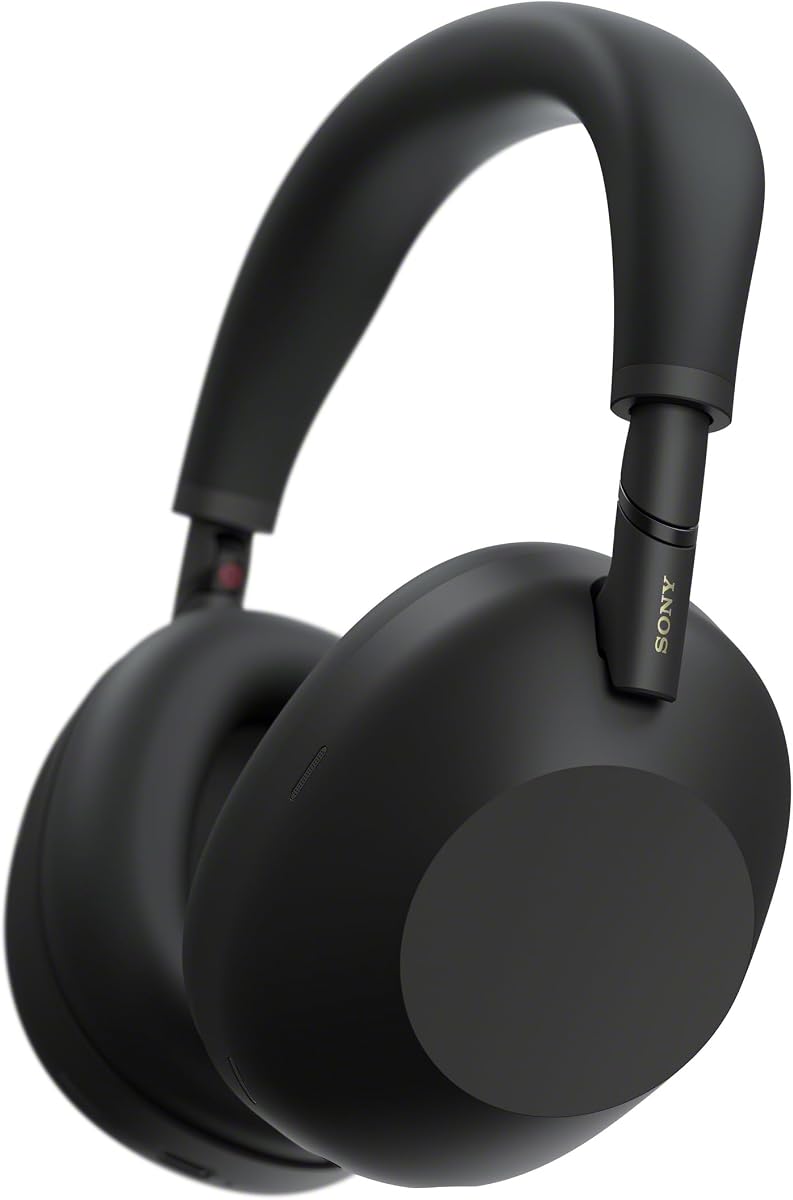
Sony WH-1000XM6

Sony's WH-1000XM6 sets the bar for noise cancellation in 2026. Its upgraded processor silences engine drone and office hum with remarkable smoothness, and the ANC never feels strained or pressurized. Add excellent sound, comfort, and call quality and it is the clear top pick for anyone who values silence above all.

Type
Over-ear wireless
ANC
Yes
Battery
30h
Weight
254g

What we liked

  • Class-leading noise cancellation
  • Natural seamless ANC effect
  • Refined balanced sound
  • Excellent call clarity

Worth noting

  • Premium price
  • Touch controls take practice
2Best for Comfort

Bose QuietComfort Ultra (2nd Gen)

Bose practically invented consumer ANC, and the QuietComfort Ultra remains a benchmark. Its noise cancelling is powerful and adaptive, its transparency mode is the most natural around, and the comfort is unmatched for long flights. Battery life is the only real weakness, making it the top choice for comfort-focused frequent travelers.

Type
Over-ear wireless
ANC
Yes
Battery
24h
Weight
250g

What we liked

  • Powerful adaptive ANC
  • Plush all-day comfort
  • Immersive spatial audio
  • Excellent transparency mode

Worth noting

  • Battery trails rivals
  • Spatial mode cuts runtime
3Best Battery Life

Sennheiser Momentum 4

The Momentum 4 offers solid noise cancelling backed by a class-leading 60-hour battery, so you can fly across the world and back without charging. The ANC is not quite Sony or Bose level, but it handles flights and offices well while delivering Sennheiser's signature rich sound. For long-haul travelers, the endurance is a major draw.

Type
Over-ear wireless
ANC
Yes
Battery
60h
Weight
293g

What we liked

  • Huge 60-hour battery
  • Rich detailed sound
  • Effective everyday ANC
  • Deep EQ customization

Worth noting

  • ANC trails Sony and Bose
  • Plain styling
4Best Value

Sony WH-1000XM5

The previous Sony flagship still delivers some of the best noise cancellation available, now at a more attractive price. The XM5 quiets the world nearly as well as the newer model and keeps the excellent sound and call quality intact. For shoppers who want top-tier ANC without paying the latest flagship premium, it is the value champion.

Type
Over-ear wireless
ANC
Yes
Battery
30h
Weight
250g

What we liked

  • Near-flagship ANC
  • Clean musical sound
  • Lightweight comfortable fit
  • Strong call microphone

Worth noting

  • Does not fold flat
  • Bulky carrying case
5Best Feature Set

JBL Tour One M3

JBL packs the Tour One M3 with adaptive ANC, a long battery, and one of the most feature-rich apps in the category. It silences travel noise effectively while delivering a lively, fun sound profile. With strong customization and a fair price, it is a compelling pick for buyers who like to tinker with settings.

Type
Over-ear wireless
ANC
Yes
Battery
40h
Weight
278g

What we liked

  • Effective adaptive ANC
  • Long 40-hour battery
  • Flexible powerful app
  • Energetic engaging sound

Worth noting

  • Bass can dominate
  • Bulkier build
6Best Budget

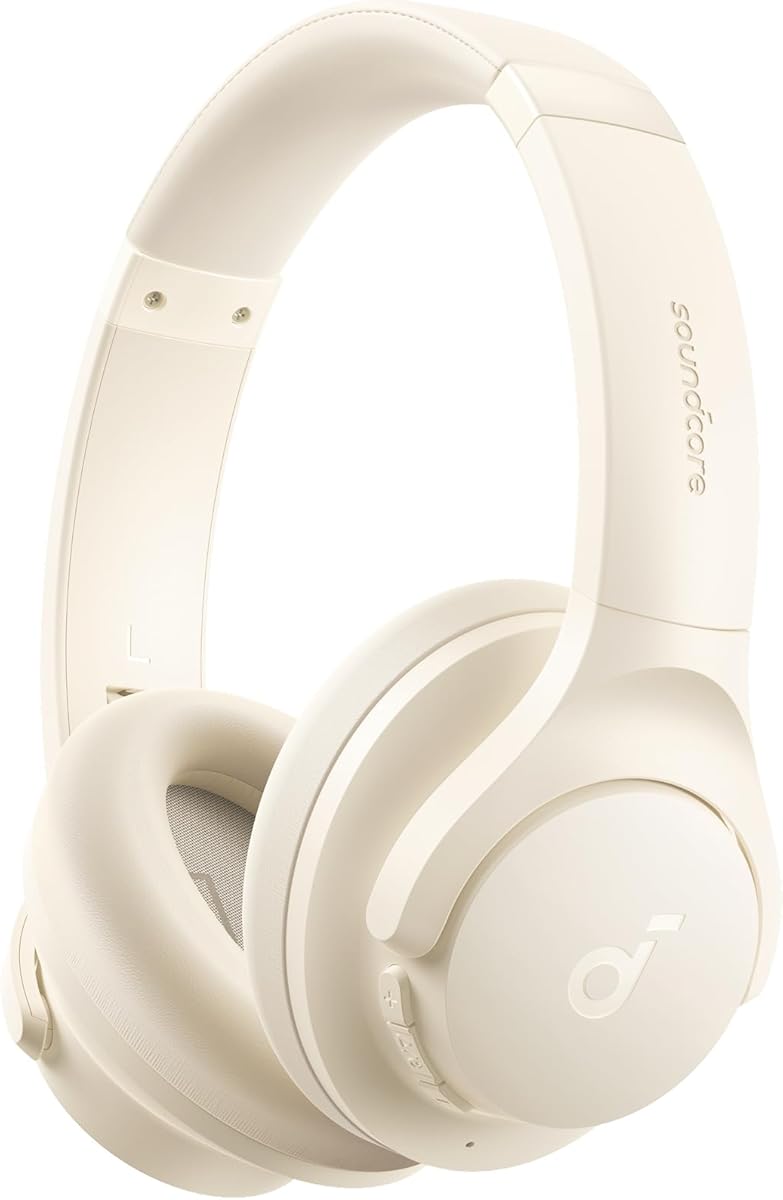
Anker Soundcore Space One

The Soundcore Space One punches far above its price with surprisingly capable noise cancellation. It silences a good deal of commuting and office noise, lasts 40 hours, and stays comfortable thanks to its light weight. The sound is not as polished as flagship rivals, but as an affordable ANC pair it is excellent value.

Type
Over-ear wireless
ANC
Yes
Battery
40h
Weight
265g

What we liked

  • Strong ANC for the price
  • Long 40-hour battery
  • Comfortable lightweight fit
  • Useful companion app

Worth noting

  • Sound lacks refinement
  • Build feels plasticky
7Best for Calls

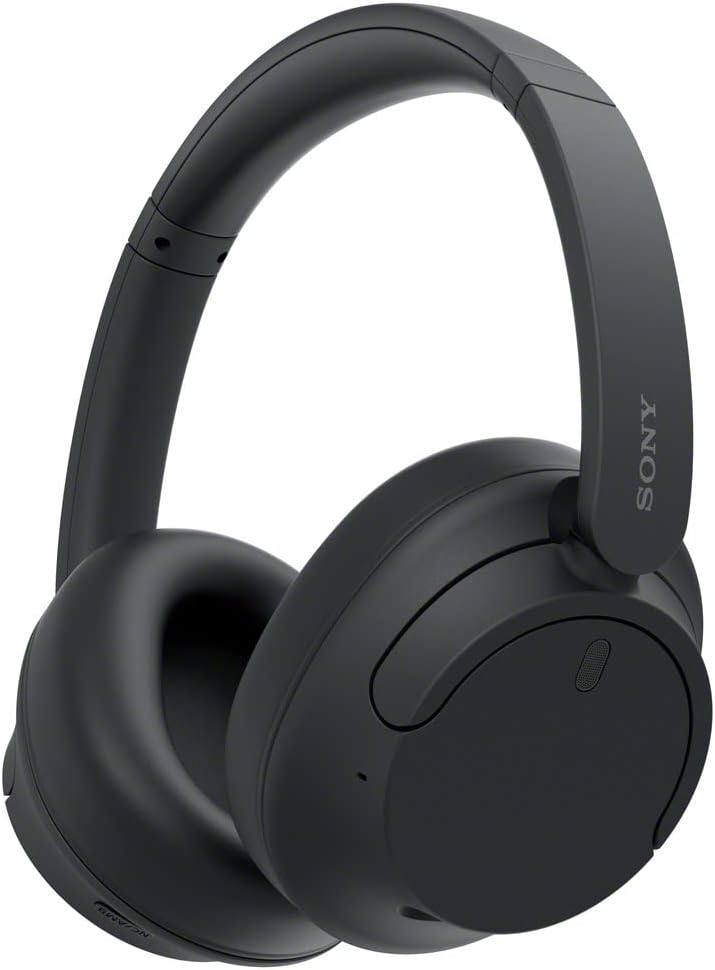
Sony WH-CH720N

Sony's CH720N brings usable noise cancellation and clear call quality to a budget price. It is extremely light, lasts 35 hours, and benefits from Sony's app and clean voice pickup for video meetings. The ANC will not match the flagships, but for affordable everyday noise reduction and calls it is a smart buy.

Type
Over-ear wireless
ANC
Yes
Battery
35h
Weight
192g

What we liked

  • Decent ANC for the money
  • Very light and comfortable
  • Clear call performance
  • Long 35-hour battery

Worth noting

  • Plastic build
  • ANC weaker than premium pairs

How to Choose the Best Noise Cancelling Headphones in 2026

Active noise cancellation has gone from a luxury feature on a few premium models to a defining capability that shoppers actively seek out. The promise is simple and powerful: press a button and the roar of a plane, the rumble of a train, or the chatter of an open office fades into the background, leaving you with your music and your thoughts. But not all noise cancellation is created equal, and the marketing around it is full of vague superlatives. This guide explains how ANC really works, what separates great systems from mediocre ones, and how to choose a pair that genuinely quiets your world.

We will start with the technology itself so you can read spec sheets critically, then cover the practical factors that determine how well a pair performs in your actual life.

How Noise Cancellation Works

Active noise cancellation relies on microphones and signal processing. The headphones listen to the noise around you, then generate a sound wave that is the exact opposite, or inverse, of that noise. When the two waves meet, they cancel each other out, dramatically reducing what reaches your ears. This is fundamentally different from passive isolation, which simply uses physical materials to block sound.

The key thing to understand is that ANC works far better on some sounds than others. Constant, low-frequency noise like the drone of a jet engine, the hum of an air conditioner, or the rumble of a train is the easiest to cancel because it is predictable and repetitive. Sudden, variable, or high-frequency sounds like a baby crying, a door slamming, or a coworker talking are much harder to cancel because the system cannot predict them. This is why ANC makes a plane feel dramatically quieter but does not silence a nearby conversation.

Active Versus Passive Noise Reduction

Every closed-back over-ear headphone provides some passive isolation simply by sealing your ears off from the outside world. Good passive isolation comes from a snug fit and dense earpads, and it works across all frequencies, including the high-pitched sounds that ANC struggles with. The best noise reduction combines strong passive isolation with effective active cancellation, so the two cover each other's weaknesses.

When evaluating a pair, do not focus only on the active system. A headphone with mediocre passive isolation but aggressive ANC may struggle in real environments, while one with excellent seal and moderate ANC can perform surprisingly well. Earpad quality, clamping force, and fit all contribute to the total noise reduction you experience.

Judging ANC Strength and Quality

Strength is not the only thing that matters in noise cancellation. The quality and naturalness of the effect matter just as much. Weaker or older systems can introduce an uncomfortable sensation of pressure, sometimes described as the feeling of being underwater or at altitude, along with a faint background hiss. The best modern systems cancel powerfully while feeling almost imperceptible, with no pressure and no audible artifacts.

Adaptive ANC is an increasingly common upgrade. These systems continuously measure the noise around you and adjust the cancellation in real time, so they ramp up on a loud train and ease off in a quiet room. Some also detect leaks around the seal and compensate. Adaptive systems generally deliver more consistent real-world performance than fixed ones, so they are worth seeking out.

The Importance of Transparency Mode

A great ANC headphone needs an equally great transparency or ambient mode. Transparency uses the same external microphones to pipe outside sound into the earcups, letting you hear announcements, traffic, or a quick conversation without removing the headphones. The best implementations sound natural, almost as if you were not wearing headphones at all, while weaker ones sound tinny, processed, or hollow.

Transparency matters more than people expect. If you commute, you need to hear platform announcements and traffic for safety. In an office, you want to respond to a colleague without fumbling to pull off your headphones. When comparing models, treat transparency quality as a real factor, not an afterthought, because you will use it constantly.

Comfort for Long Listening

Noise cancelling headphones are most valuable during long sessions on planes, trains, and at desks, which makes comfort essential. A pair that creates pressure points after an hour defeats the purpose, no matter how good its ANC. The same comfort principles apply as with any over-ear: moderate clamping force, even weight distribution, and soft, deep earpads that surround the ear.

There is also a subtle interaction between comfort and noise cancelling. A snug seal improves both passive isolation and ANC effectiveness, but too much clamping force becomes painful over time. The best designs strike a balance, sealing well without squeezing. If you wear glasses, prioritize soft earpads, since any gap created by the frames lets noise in and reduces ANC performance.

Sound Quality With ANC Engaged

Some early noise cancelling headphones sacrificed sound quality when ANC was active, introducing a thin or hollow character. Modern flagships have largely solved this, delivering full, rich sound whether ANC is on or off. Still, it is worth checking reviews that specifically evaluate how a pair sounds with cancellation engaged, since cheaper models can still show a difference.

As with any headphones, sound signature is a matter of taste. Some ANC models lean balanced and neutral, others boost bass for impact, and many include an app with EQ so you can tune the sound to your liking. Do not assume that strong noise cancellation means compromised sound on a quality pair, but do verify it on budget options.

Battery Life for Travel

Noise cancellation draws power, so ANC headphones live and die by battery life, especially for travelers. Premium models range from around twenty-four hours to forty hours with ANC active, while endurance leaders reach sixty hours. For a single long-haul flight, almost any modern pair suffices, but if you travel for days without reliable charging, the longer batteries provide real peace of mind.

Quick charging is particularly valuable here. Arriving at the airport with a dead battery is a common scenario, and a few minutes of charging that yields several hours of playback can save a flight. Also check whether the headphones can run ANC while charging over USB, and whether they keep working passively if the battery dies entirely.

Calls in Noisy Environments

If you take calls in loud places, the microphone system matters as much as the noise cancellation for your own ears. Good ANC headphones use multiple microphones with beamforming and noise suppression to isolate your voice so the person on the other end hears you clearly even on a busy street or in a cafe. This is a separate capability from the ANC that quiets your own listening, and the two do not always go together.

If calls in noisy settings are part of your routine, seek out reviews that test microphone performance specifically. Wind handling is also worth checking if you take calls outdoors, since wind noise can overwhelm an otherwise capable microphone array.

Setting Your Budget

Noise cancelling headphones span a wide price range. Flagship models at 350 dollars and up deliver the strongest, most natural ANC, the best transparency, and premium comfort and materials. Mid-range models around 150 to 250 dollars offer very good cancellation that handles most travel well. Budget options under 100 dollars now provide genuinely useful ANC that, while not flagship level, meaningfully reduces commuting and office noise.

The right budget depends on how demanding your environments are. Frequent flyers and open-office workers benefit most from flagship cancellation. Occasional commuters can be perfectly happy with a capable mid-range or budget pair. Spend according to how often and how seriously you need silence.

Wind Noise and Outdoor Use

One real-world weakness of active noise cancellation is wind. When wind hits the external microphones that ANC relies on, it can create a loud rushing or buffeting sound that the system struggles to handle. This is why some otherwise excellent ANC headphones become unpleasant on a windy walk or bike ride. Manufacturers have developed wind-reduction modes and microphone designs to combat this, with varying success.

If you spend a lot of time outdoors in breezy conditions, look for models specifically praised for wind handling, and know that earbuds with deep seals sometimes manage wind better than over-ear ANC. For indoor use on planes, trains, and in offices, wind is a non-issue, so this concern only applies to outdoor listeners. It is a good example of why matching headphones to your actual environment matters more than chasing the highest ANC rating.

ANC and Hearing Health

A frequently overlooked benefit of noise cancellation is its positive effect on hearing health. In noisy environments, people instinctively turn up the volume to overcome background noise, often to levels that can damage hearing over time. By reducing that background noise, ANC lets you enjoy your music at a noticeably lower, safer volume while still hearing every detail clearly.

This is one of the strongest practical arguments for noise cancellation beyond mere convenience. If you commute daily on loud trains or buses, ANC can meaningfully reduce your cumulative noise exposure, both from the environment and from cranking up your own audio. For frequent flyers and city dwellers, this protective effect adds up over the years and is a genuine reason to invest in good cancellation.

Caring for Your ANC Headphones

Noise cancelling headphones contain more electronics than passive pairs, so a little care extends their life. The earpad seal is critical to ANC performance, since gaps let noise leak past the cancellation, so keep the pads in good condition and replace them when they flatten or crack. Many flagship models offer replacement pads that restore both comfort and full ANC effectiveness.

For wireless ANC models, the usual battery care applies: avoid heat, do not store them fully drained for long periods, and keep the charging port clean. Storing the headphones in their case protects the hinges and the sensitive microphones from damage. With basic care, a quality ANC pair will deliver years of quiet, and keeping the seal fresh is the single most important thing you can do to preserve its noise cancelling power.

Final Thoughts

The best noise cancelling headphones do more than block sound. They reduce listening fatigue, let you hear music at lower, safer volumes, and create a pocket of calm wherever you are. Focus on the naturalness of the cancellation rather than just its strength, insist on a good transparency mode, and confirm the comfort holds up over long sessions. Match the battery life and call performance to your travel and work habits, and set a budget that reflects how noisy your world really is. Do that, and any pair on this list will give you the quiet you are looking for.

How we picked

We ranked each pair primarily on noise cancellation strength and how natural it feels, then weighed sound quality, all-day comfort, and battery life. We considered transparency mode quality and microphone performance for calls in noisy places. Final placement reflects the total package at the price rather than ANC alone.

Frequently asked questions

What are the best noise cancelling headphones in 2026?

The Sony WH-1000XM6 leads our 2026 list with the strongest and most natural-feeling noise cancellation we tested. It silences travel and office noise smoothly while delivering excellent sound, comfort, and call quality, making it the top all-around ANC pick.

How does active noise cancellation actually work?

ANC uses microphones to detect incoming sound, then generates an opposing sound wave that cancels it out before it reaches your ears. It works best on constant low-frequency noise like engine drone and HVAC hum, and less well on sudden sounds like voices.

Does noise cancellation block out voices and conversations?

Not completely. ANC excels at steady low-frequency noise but is far less effective on the variable mid and high frequencies of human speech. You will hear nearby conversations as quieter and muffled rather than fully silenced, especially with music playing.

Can noise cancelling cause headaches or ear pressure?

Some people feel a faint pressure sensation with strong ANC, similar to changing altitude, though the best modern systems minimize this. If you are sensitive, look for models praised for natural cancellation, and use a transparency mode or lower ANC setting when the full strength feels uncomfortable.

Is ANC worth it if I work from home?

It depends on your environment. If your home is quiet, you may not need strong ANC and could put that budget toward sound quality. If you deal with traffic, neighbors, family noise, or a humming HVAC, noise cancellation can meaningfully improve focus.