Skip to content

Best Motherboard for i9-14900K in 2026

4.5 average · hands-on tested
By Thomas BrianUpdated June 27, 20267 picks tested

We may earn a commission from links on this page, at no extra cost to you. Learn more.

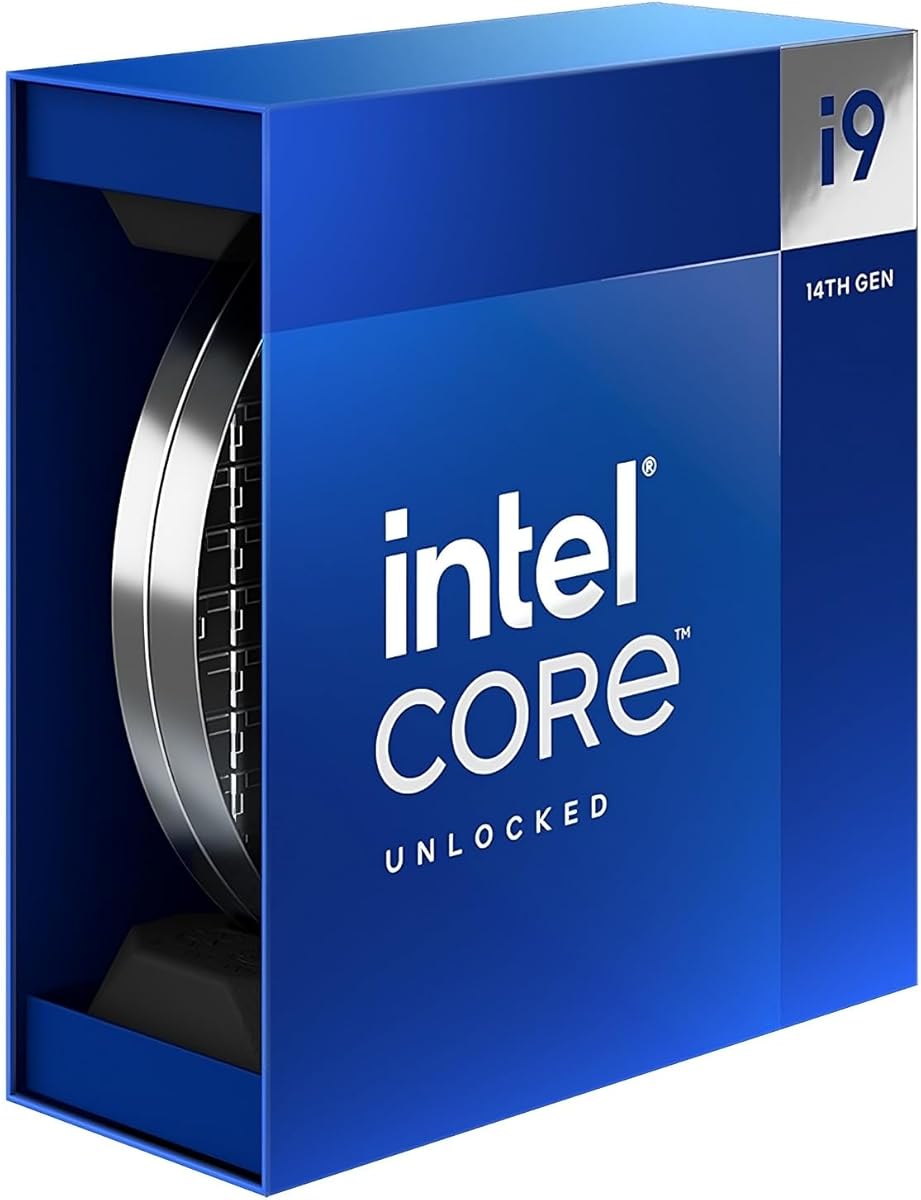
The Intel Core i9-14900K is a 24-core powerhouse, but it's also one of the most power-hungry mainstream CPUs ever — under heavy load it can draw enormous current, so the motherboard's VRM genuinely matters here. To get the most from it you want a Z790 board (LGA1700) with a strong, well-cooled VRM to feed it cleanly and stably, plus the latest BIOS for the stability profiles Intel introduced for these chips, fast DDR5 support, PCIe 5.0 for your GPU and quick NVMe storage. After researching the best LGA1700 Z790 boards to pair with it, these are the seven best motherboards for the i9-14900K in 2026 — from value Z790 boards to enthusiast flagships.

Quick comparison

KeyboardBest forRatingPrice
1ASUS ROG Strix Z790-H Gaming WiFiASUSBest Overall4.6$$$Check Price
2MSI MAG Z790 Tomahawk WiFiMSIBest Value4.6$$$Check Price
3Gigabyte Z790 AORUS Elite AXGigabyteBest Connectivity4.5$$$Check Price
4ASUS TUF Gaming Z790-Plus WiFiASUSBest Durable Value4.6$$$Check Price
5ASUS TUF Gaming Z790-BTF WiFi 7ASUSBest Latest Connectivity4.5$$$Check Price
6MSI PRO Z790-P WiFiMSIBest Pro Value4.5$$$Check Price
7Gigabyte Z790 Eagle AXGigabyteBest Budget Z7904.5$$$Check Price

Our top 7 picks, reviewed

1Best Overall

ASUS ROG Strix Z790-H Gaming WiFi

The ASUS ROG Strix Z790-H Gaming WiFi is the best overall motherboard for the i9-14900K, an enthusiast Z790 board with the strong, well-cooled VRM this power-hungry chip demands. It feeds the 14900K's 24 cores cleanly under sustained load, and pairs that with PCIe 5.0 x16 for the latest GPUs, fast PCIe 5.0 NVMe, fast DDR5 support, Wi-Fi 6E and premium connectivity — a complete, high-performance Intel foundation. For getting the most from Intel's flagship CPU reliably, it's the standout. It's premium-priced and the platform draws significant power, but for a robust, fully featured 14900K pairing with the power delivery to keep it stable, the Strix Z790-H is the top pick.

Socket
Intel LGA1700
Chipset
Z790
VRM
Strong, well-cooled
PCIe
PCIe 5.0 x16

What we liked

  • Robust VRM for the power-hungry 14900K
  • PCIe 5.0 GPU and fast NVMe
  • Wi-Fi 6E and premium I/O
  • Great enthusiast feature set

Worth noting

  • Premium price
  • Higher platform power draw
2Best Value

MSI MAG Z790 Tomahawk WiFi

The MSI MAG Z790 Tomahawk WiFi is the best value motherboard for the i9-14900K, a proven board whose strong, well-cooled VRM feeds this power-hungry chip cleanly for far less than the flagships. It offers a PCIe 5.0 x16 slot for the latest GPUs, fast NVMe storage, fast DDR5 support, and Wi-Fi plus 2.5GbE networking — all with the Tomahawk line's reliability. For most 14900K builders, it provides the same performance as pricier boards while properly handling the CPU's demands. It has fewer luxury extras and slightly older Wi-Fi than the flagships, but for the smart-money 14900K build with the VRM to keep it stable, it's our top value pick and outstanding.

Socket
Intel LGA1700
Chipset
Z790
VRM
Strong, well-cooled
PCIe
PCIe 5.0 x16

What we liked

  • Strong VRM feeds the 14900K well
  • PCIe 5.0 x16 and fast NVMe
  • Wi-Fi and 2.5GbE
  • Excellent value

Worth noting

  • Fewer premium extras
  • Wi-Fi a step behind flagships
3Best Connectivity

Gigabyte Z790 AORUS Elite AX

The Gigabyte Z790 AORUS Elite AX is the best connectivity-focused board for the i9-14900K, combining a strong VRM with rich I/O at a sensible price. Its well-cooled power delivery feeds the 14900K's 24 cores cleanly, and it adds PCIe 5.0 x16 for the latest GPUs, fast NVMe, Wi-Fi 6E and 2.5GbE networking, and generous USB ports for a desk full of devices. For a 14900K build that values strong connectivity and proper power delivery without flagship cost, it's an excellent, well-equipped choice. The audio is mid-tier and it skips some luxury extras, but for a well-connected, capable 14900K board at great value, the Aorus Elite AX is a strong pick.

Socket
Intel LGA1700
Chipset
Z790
VRM
Strong, well-cooled
Networking
Wi-Fi 6E + 2.5GbE

What we liked

  • Strong VRM for the 14900K
  • PCIe 5.0 GPU and fast NVMe
  • Wi-Fi 6E and generous USB
  • Great value features

Worth noting

  • Mid-tier audio
  • Fewer luxury extras
4Best Durable Value

ASUS TUF Gaming Z790-Plus WiFi

The ASUS TUF Gaming Z790-Plus WiFi is the best durable-value board for the i9-14900K, built around ASUS's TUF philosophy of rugged components and dependable operation. Its solid VRM feeds the power-hungry 14900K cleanly, and it offers PCIe 5.0 x16 for the latest GPUs, fast NVMe, fast DDR5 support and reliable Wi-Fi — a stable, long-lasting Intel foundation at a sensible price. For a 14900K build where reliability and value matter, its TUF durability makes it an ideal, set-and-forget pairing. The styling is plain and it skips some premium extras, but for a dependable, capable 14900K board that handles the CPU's demands and lasts, the TUF Z790-Plus is a standout value choice.

Socket
Intel LGA1700
Chipset
Z790
Build
TUF durable
PCIe
PCIe 5.0 x16

What we liked

  • Durable TUF components
  • Solid VRM for the 14900K
  • PCIe 5.0 GPU and fast NVMe
  • Reliable, great value

Worth noting

  • Plain styling
  • Fewer premium extras
5Best Latest Connectivity

ASUS TUF Gaming Z790-BTF WiFi 7

The ASUS TUF Gaming Z790-BTF WiFi 7 is the best board for the i9-14900K if you want the cleanest possible build and the latest connectivity. Its standout feature is the BTF rear-connector design, which moves cable headers to the back of the board for a strikingly tidy, cable-free front — paired with the latest Wi-Fi 7, a solid VRM that feeds the 14900K, PCIe 5.0 x16 and fast NVMe. For a showcase 14900K build with minimal visible cabling, it's unique here. It requires a compatible BTF case and carries a premium price, but for a clean-aesthetic 14900K build with Wi-Fi 7 and capable power delivery, the Z790-BTF is the standout.

Socket
Intel LGA1700
Chipset
Z790
Wireless
Wi-Fi 7
Design
Rear-connector (BTF)

What we liked

  • Latest Wi-Fi 7
  • Hidden rear-connector design for clean builds
  • Solid VRM for the 14900K
  • PCIe 5.0 GPU and fast NVMe

Worth noting

  • Needs a compatible BTF case
  • Premium price
6Best Pro Value

MSI PRO Z790-P WiFi

The MSI PRO Z790-P WiFi is the best pro-value board for the i9-14900K, a clean, no-frills Z790 board well-suited to a productivity-focused build with this 24-core chip. Its solid VRM feeds the power-hungry 14900K cleanly, and it offers PCIe 5.0 x16 for the GPU, fast NVMe, fast DDR5 support and Wi-Fi — the essentials for a capable workstation or all-rounder, without paying for gaming aesthetics. For a 14900K build aimed at work, content creation or a straightforward powerful PC, its understated, functional approach is ideal value. The styling is plain and extras are basic, but for a dependable, capable 14900K board focused on substance over flash, the PRO Z790-P is a smart pick.

Socket
Intel LGA1700
Chipset
Z790
VRM
Solid
PCIe
PCIe 5.0 x16

What we liked

  • Solid VRM for the 14900K
  • Clean, no-frills Pro design
  • PCIe 5.0 GPU and fast NVMe
  • Good value for work or play

Worth noting

  • Plain styling
  • Basic extras
7Best Budget Z790

Gigabyte Z790 Eagle AX

The Gigabyte Z790 Eagle AX is the best budget Z790 board for the i9-14900K, the most affordable way to run Intel's flagship CPU on the Z790 chipset it needs to perform fully. Its VRM is solid for the price, feeding the 14900K cleanly for everyday and gaming loads, and it includes PCIe 5.0 x16 for the latest GPUs, fast NVMe, DDR5 support and Wi-Fi — the essentials at a low price. For a 14900K build on a tighter budget that still wants proper Z790 capability, it covers what matters. Its features are entry-level for Z790 and the extras basic, but for affordable 14900K ownership with a capable VRM, the Z790 Eagle AX is the standout budget pick.

Socket
Intel LGA1700
Chipset
Z790
VRM
Solid for the price
PCIe
PCIe 5.0 x16

What we liked

  • Most affordable Z790 here
  • Solid VRM feeds the 14900K
  • PCIe 5.0 GPU and fast NVMe
  • Great budget Z790 value

Worth noting

  • Entry-level Z790 features
  • Basic styling and extras

How to choose a motherboard for the i9-14900K in 2026

The 14900K is a power-hungry 24-core flagship where the VRM genuinely matters. Here's how to choose the right Z790 board.

Make VRM strength the top priority

For the i9-14900K, a strong, well-cooled VRM is the single most important board attribute, so make it your top priority. This is one of the most power-hungry mainstream CPUs ever, drawing very high current under heavy multi-core load, and the VRM must deliver that power cleanly and stably — a weak one overheats, throttles the chip or becomes unstable. Every board here has a robust VRM suited to the 14900K, with the enthusiast boards (Strix Z790-H) and the proven Tomahawk offering especially strong, well-cooled power delivery. Unlike less demanding CPUs where almost any board's VRM suffices, the 14900K genuinely stresses power delivery, so choose a board with a strong VRM and good heatsinks to keep this chip fed and stable.

Choose Z790, not B760

Pair the 14900K with a Z790 board rather than B760, since the chipset choice matters for this CPU. The 14900K is an unlocked K-series chip, and only Z790 supports the overclocking and full performance tuning it's capable of. Z790 boards also generally have stronger VRMs better suited to feeding this power-hungry chip under sustained load, plus more features. While the 14900K technically runs on B760, doing so wastes its overclocking potential and pairs it with typically weaker power delivery. For a CPU this demanding and capable, Z790 is the correct platform — every pick here is Z790, ensuring you get the power delivery, overclocking support and features Intel's flagship deserves.

Keep the BIOS current for stability

The 14900K makes BIOS updates unusually important, so plan to keep yours current. Intel's high-end 13th/14th-gen CPUs had stability issues tied to excessive power and voltage, which Intel addressed via microcode and BIOS updates that apply recommended default power and stability profiles. Updating to the latest BIOS — which all these board makers provide — ensures the chip runs within safe, stable parameters. A board with a strong VRM and the current BIOS, not pushed to excessive voltages, keeps the 14900K reliable. When you build, update the BIOS before heavy use, and stay current with updates. This step is more critical for the 14900K than for most CPUs, and it's key to a stable, long-lived system.

Plan serious cooling alongside the board

A capable board is only half the equation for the 14900K, so plan serious cooling. This chip runs hot under load due to its high power draw, and even the best VRM can't prevent the CPU itself from thermal-throttling if cooling is inadequate — so pair it with a high-end 360mm AIO liquid cooler (recommended) or at minimum a top-tier large air cooler, plus good case airflow. The board's VRM cooling keeps power delivery stable, while the CPU cooler keeps the chip in check; both are needed. Treat the board and cooler as a team for this CPU. Skimping on cooling undermines even the best Z790 board, so budget for strong cooling as an essential part of a 14900K build, not an afterthought.

Get the features for a flagship build

Since the 14900K anchors a high-end build, get the Z790 features to match. The boards here offer PCIe 5.0 x16 for the latest and future GPUs, fast PCIe 5.0 NVMe for quick storage, fast DDR5 support, and modern connectivity — Wi-Fi 6E or the latest Wi-Fi 7 (on the Z790-BTF), 2.5GbE and ample USB. For a creation or all-round build, multiple fast M.2 slots speed up large-file work; for gaming, PCIe 5.0 x16 future-proofs the GPU slot. Decide which features matter for your use and choose accordingly — the value boards cover the essentials, while the enthusiast boards add premium connectivity and extras. A flagship CPU justifies a board with the storage, expansion and connectivity to support it.

Match the board tier to your use and budget

Balance the board tier against your needs, since you don't always need the top board. The enthusiast Strix Z790-H justifies its cost with the strongest power delivery and premium features, ideal for overclocking and demanding sustained work. But the value Tomahawk, Aorus Elite AX and TUF Z790-Plus feed the 14900K properly with strong VRMs for considerably less, and the budget Z790 Eagle AX covers the essentials for the most cost-conscious builds. Be honest about whether you'll overclock and how heavily you'll load the chip: heavy overclocking and sustained creation work favour a higher-end board, while stock or gaming use is well served by a value Z790 board. Match the tier to your real usage to avoid overspending while still feeding the CPU correctly.

Factor in the platform's end-of-life status

Finally, factor in that LGA1700 is a mature, end-of-life platform when planning. The 14900K is the flagship of its generation, but its socket won't receive future CPU upgrades, so the board you buy is paired with this CPU for its life rather than being a stepping stone to newer chips. That's fine if you want a lot of multi-core power now at a good price — the 14900K delivers exactly that — but it means there's no upgrade path on the same board. Given this, prioritise a board that fully satisfies the 14900K's needs now (strong VRM, the features you want, reliability) rather than paying for future-proofing the platform can't deliver. Choose a board that makes this powerful CPU shine today, and you'll have a capable, stable system for years.

The bottom line: the ASUS ROG Strix Z790-H Gaming WiFi is the best motherboard for the i9-14900K overall, with the robust VRM this power-hungry chip needs. Choose the MSI MAG Z790 Tomahawk WiFi for value, the ASUS TUF Z790-BTF WiFi 7 for the cleanest build, and the Gigabyte Z790 Eagle AX on a budget. Use our ranked picks above, pair with strong cooling and a current BIOS, and Intel's flagship will run stable and fast.

How we picked

We compared Z790 (LGA1700) motherboards for the Core i9-14900K on what this demanding CPU needs: a robust, well-cooled VRM to feed its high power draw cleanly and stably under sustained load, full Z790 features (PCIe 5.0 GPU support, fast DDR5, ample M.2), strong connectivity, BIOS support for Intel's stability profiles, and value. Because the 14900K draws so much power, we weighted VRM strength and cooling heavily, ensuring every pick comfortably feeds it. We focused on the Z790 chipset (required to unlock the K-series CPU fully) across enthusiast to value so there's a capable 14900K pairing for every Intel build and budget.

Frequently asked questions

What is the best motherboard for the i9-14900K in 2026?

The ASUS ROG Strix Z790-H Gaming WiFi is the best overall, an enthusiast Z790 board with a strong, well-cooled VRM to feed this power-hungry chip. For value, the MSI MAG Z790 Tomahawk WiFi; for the latest connectivity and a clean build, the ASUS TUF Z790-BTF WiFi 7; and on a budget, the Gigabyte Z790 Eagle AX. Because the 14900K draws so much power, prioritise a board with a robust VRM — that's the most important factor for this CPU.

Why does the VRM matter so much for the 14900K?

The i9-14900K is one of the most power-hungry mainstream CPUs ever, drawing very high current under heavy multi-core load. The VRM (voltage regulation module) must deliver that power cleanly and stably; a weak VRM can overheat, throttle the CPU to protect itself, or become unstable under sustained load. A strong, well-cooled VRM (as on all our picks) feeds the 14900K's 24 cores reliably at full performance. This is why VRM strength is the top priority for this chip specifically — more than for less demanding CPUs — and why we focused on Z790 boards with robust power delivery and good heatsinks.

Do I need a Z790 board, or will B760 work with the 14900K?

The 14900K technically runs on a B760 board, but Z790 is strongly recommended to get the most from it. The K-series 14900K is unlocked for overclocking, which only Z790 supports, and Z790 boards generally have stronger VRMs better suited to feeding this power-hungry chip under sustained load. B760 boards also typically offer less robust power delivery and fewer features. For a CPU this demanding and capable, a Z790 board ensures stable power, overclocking ability and the full feature set. If you want to run a 14900K properly, choose Z790 — it's the right pairing for Intel's flagship.

Are there stability concerns with the 14900K, and do boards address them?

Intel's 13th/14th-gen high-end CPUs had reported stability issues related to excessive power and voltage, which Intel addressed through microcode and BIOS updates introducing default power/stability profiles. To ensure stability with a 14900K, update your motherboard to the latest BIOS, which applies Intel's recommended settings — all the boards here receive these updates from their manufacturers. Using a board with a strong VRM and the current BIOS, and not running excessive voltages, keeps the chip stable. This makes keeping the BIOS up to date especially important for the 14900K; with a current BIOS and a quality board, the CPU runs reliably.

Is the 14900K still a good choice in 2026?

The 14900K remains a very powerful CPU, with 24 cores delivering excellent multi-threaded performance for gaming, content creation and heavy multitasking, and it's now more affordable as a previous-generation flagship. The trade-offs are its high power draw and heat, which demand strong cooling and a capable board, and the LGA1700 platform being at the end of its life (no future CPU upgrades). If you want a lot of multi-core power at a good price now, it's a strong choice — just pair it with a robust Z790 board, serious cooling, and keep the BIOS current. For upgrade longevity, newer platforms offer more future CPU options.

What cooling does the 14900K need?

The 14900K runs hot under load due to its high power draw, so it needs serious cooling — a high-end 360mm AIO liquid cooler is the recommended pairing, or a top-tier large air cooler at minimum. Inadequate cooling will cause the chip to thermal-throttle, losing performance. The motherboard's VRM cooling (good on all our picks) keeps power delivery stable, but the CPU cooler keeps the chip itself in check. Plan a strong cooler and good case airflow alongside a robust Z790 board; for a 14900K build, cooling is as important as the board in achieving stable, sustained performance from this power-hungry flagship.