Best Clip-On Everyday Portable
JBL Clip 5
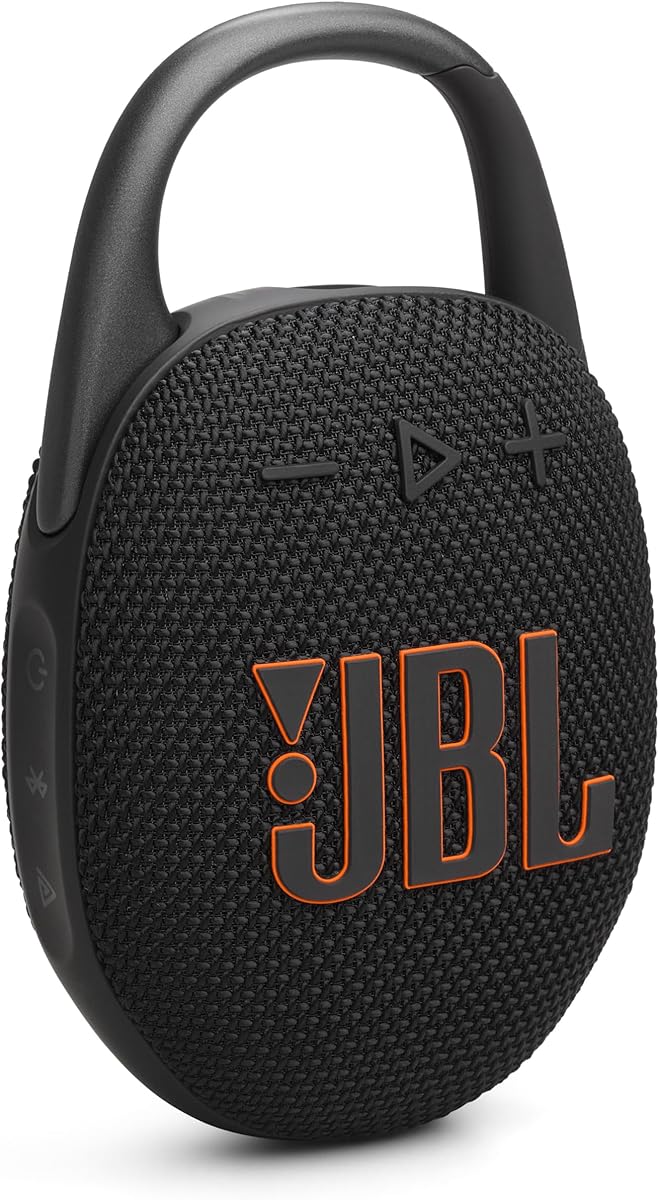
- JBL Pro Sound with punchy bass in an ultra-portable shell
- IP67 waterproof and dustproof with integrated carabiner
- Up to 12 hours plus Playtime Boost; Auracast multi-speaker
Expert Review & Guide
Under-fifty Bluetooth speakers succeed when they survive real hangouts: sandy beach bags, damp pool decks, dorm desks, and backyard tables where drinks tip. The shopping tier named in this keyword is a budget lane, not a frozen checkout total—listings move—so we judge portability, waterproof rating, battery honesty, and whether TWS pairing can turn one bargain can into a stereo pair.
This Amazon pack spans punchy generic 20W party speakers with light shows, Ortizan’s IPX7 tower with long playtime, Monster S620-class 60W dual-pair options, a more powerful dbsono SoundPulse design, Sony’s ultra-compact SRS-XB100, featherweight beach essentials, Passau’s strapped 40W peak can, and JBL’s Clip 5 carabiner classic. Ratings reflect supplied listing data. No dollar prices appear below because sellers change them constantly.
Start with the three top picks if you want a shortlist, then compare IP ratings and battery claims before reading full reviews for party lights, shower duty, or backpack clipping.


As an Amazon Associate we earn from qualifying purchases. We may earn a commission at no additional cost to you.
Weigh waterproof rating, playtime, and whether you will TWS-pair a second unit. Specs are from listings—no prices.

20W HD Party Bluetooth Speaker
This 20W-class party speaker is the budget default when the night needs both volume and a light show. Dual drivers with DSP-minded tuning push balanced output for playlists and movie nights on a patio table, while TWS pairing lets two identical units split left/right for a bigger stereo field than a single can can fake. Dimensions around eight by three inches and a bit over a pound keep it tote-friendly without feeling like a toy brick.
IPX5 weather resistance is the honest outdoor envelope: splashes, spills, and misty decks are fine; do not treat it like an IP67 shower brick. Bluetooth 5.3 with a marketed hundred-foot class range helps when the phone sits indoors and the speaker lives on the porch—walls still shorten that fairy-tale number. Multicolor lights sync to the beat and can shut off with a button when you want battery back or a calmer dinner.
Up to twenty-four hours at roughly half volume with lights off is the camping claim that matters. Crank volume and leave the light show raging and you will see shorter life—plan accordingly. USB-C charging, a quick-start guide, and lifetime technical support language round out the gift-friendly packaging story.
Sonically, expect energetic consumer tuning: clear enough vocals for podcasts at polite volumes, bass that satisfies pop and hip-hop without pretending to be a subwoofer. Distortion creeps if you ask a compact dual-driver box to DJ a warehouse—use TWS or step up to 60W-class Monster cans for louder yards.
Buy this when lights-and-party vibes matter as much as audio. Prefer Sony or JBL when brand durability and higher IP ratings matter more than RGB theatrics.
Neighbor etiquette: party lights look louder than they sound. Keep nighttime volumes civil even if the LED show begs otherwise.
Birthday patios, dorm welcome nights, and camping circles where atmosphere matters as much as fidelity.
Pair two matching units before guests arrive. Mid-party pairing tutorials are how playlists die.
We may earn a commission at no additional cost to you.
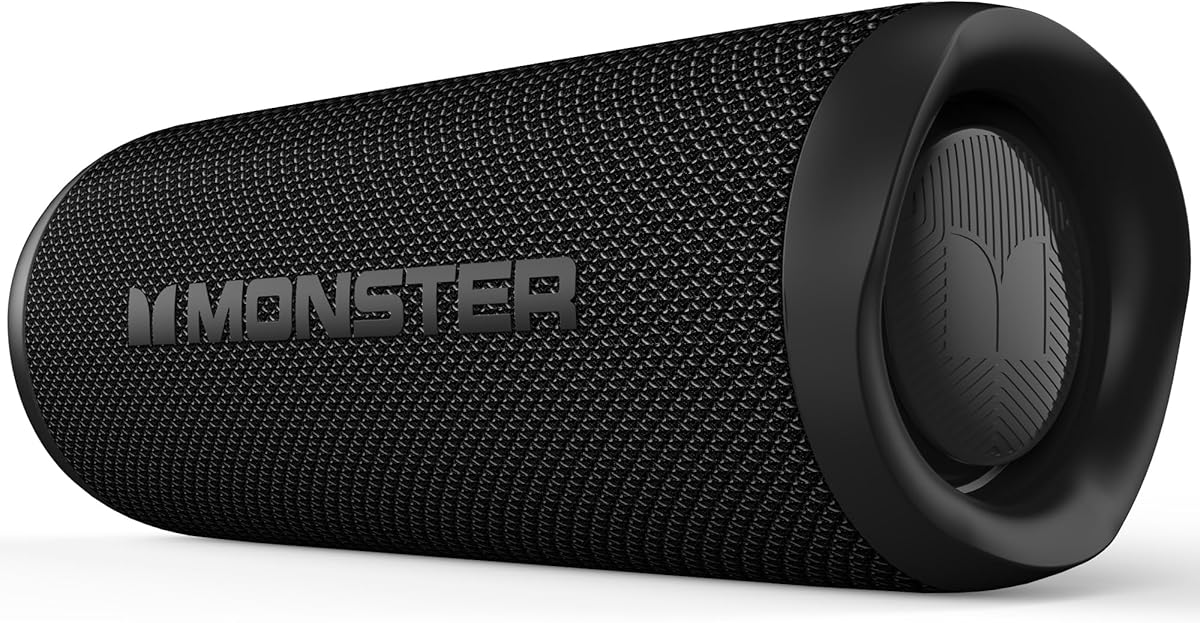
When the under-fifty lane still needs to be heard across water, Monster’s 60W portable with IPX8 is the louder outdoor tool. True wireless stereo pairing toward a combined 120W narrative is how backyard hosts graduate from a single table radio to something that fills a patio without a mains powered PA. Bluetooth 5.4 keeps pairing quick with phones and laptops; a TF card slot saves the day when someone forgot offline downloads.
IPX8 is the differentiator versus IPX5 party cans: rain, pool mist, and wet hands are less anxiety-inducing. Still dry the ports before charging. The braided carry belt and compact outdoor chassis encourage bike-handle or backpack hanging—useful for campsite walks between tents and picnic tables.
Three-hundred-sixty-degree marketing language describes how the enclosure radiates; placement still matters. Standing upright versus laying on its side can change how bass couples to a table. Built-in mic coverage helps for quick calls without hunting for a phone in a cooler.
This is not a featherweight clip for a jeans loop. If your priority is ounces and carabiner convenience, JBL Clip 5 or Sony XB100 win. If your priority is wet-environment volume in the budget tier, stay here or on the closely related S620 listing.
Buy for pool parties and loud camping. Skip for silent film nights in a studio apartment where lights-off intimacy matters more than watt headlines.
Pairing note: confirm you are ordering the exact ASIN you researched—Monster portable SKUs in this pack look similar but are separate listings.
One 60W unit covers small yards. Two in TWS transform the stereo image for dance playlists—budget for the second if that is the dream.
IPX8 is robust, not an invitation to charge while dripping. Shake, wipe, then dock.
We may earn a commission at no additional cost to you.

Ortizan IPX7 Portable (1st Gen)
Ortizan’s first-gen portable is the endurance tower of the pack: dual twelve-watt drivers, DSP, and two passive radiators tuned for outdoor bass, wrapped in an IPX7 shell that can handle dunk-language scenarios the listing describes. Up to thirty hours around a moderate loudness target makes it a set-and-forget campsite soundtrack when you refuse to babysit chargers.
RGB themes are more than teen candy—night modes can function as a soft lantern while music sleeps, which is oddly useful in tents and kids’ rooms. TWS dual pairing builds a wider stage when you invest in two. Bluetooth 5.3 with a marketed sixty-six-foot unobstructed range covers most backyard layouts; AUX and TF card inputs rescue older devices and USB-free playback.
At roughly a pound and a tall soda-bottle footprint, it parks on tables more than it clips to belts. That is fine for beach blankets and picnic benches. Hands-free calling via the built-in mic covers the “phone is in the kitchen” use case.
Sound character emphasizes punchy bass and clear treble at party volumes. Push it unfairly loud and any compact radiator design will complain—use two units or lower expectations for warehouse raves.
Choose Ortizan for battery bragging rights and IPX7 confidence with lights. Choose JBL/Sony for pocketability. Choose Monster when raw watt headlines dominate.
Camping pack tip: keep the Type-C cable in the same dry pouch as a headlamp. Shared “we’ll find a cable” optimism fails at midnight.
Two-night camps without reliable power, power-outage playlists, and cabin weekends with one shared outlet strip.
Night theme modes as a mood lamp are a charming extra for dorms and kids’ sleepovers.
We may earn a commission at no additional cost to you.

dbsono’s SoundPulse pitches above typical under-fifty toys with a 100W peak / 60W RMS architecture: a dedicated tweeter path plus dual woofers and a Bass Boost control for instant low-end emphasis. That hardware story targets hosts who want one speaker to feel substantial before they commit to pairing a second. A perfect 5.0 snapshot rating in the pack data is eye-catching—still read the freshest reviews as the audience grows.
Bluetooth 6.0 with roughly ninety-six feet of marketed range and smart power-off after fifteen idle minutes suits backyard layouts and forgetful users. IPX5 plus shock-minded ABS, silicone, and nylon fabric aims at everyday adventure durability without claiming submarine duty. The soft-grip handle is the human detail that makes carrying to the garage less clumsy than slab speakers.
Multi-speaker pairing and TWS cover parties that outgrow a single enclosure. USB-C audio offers wired playback when wireless is flaky—rare on budget cans and appreciated. LED light bar modes set mood without needing a full disco dome.
Interpret watt labels wisely. Peak numbers describe short bursts; RMS and listening tests describe what your neighbors hear. Use Bass Boost tastefully outdoors where boom travels.
Buy dbsono when output features and a top rating matter and IPX5 is enough weather insurance. Prefer Ortizan or Monster when wetter ratings are mandatory.
Break-in habit: try Bass Boost on and off with the same track at the same volume to learn how hard the woofers work before a party.
USB-C audio keeps a laptop movie night alive if Bluetooth congestion hits an apartment complex.
Similar loudness ambitions; Monster leans IPX8 and brand familiarity, dbsono leans Bluetooth 6.0, Bass Boost, and USB-C audio flexibility.
We may earn a commission at no additional cost to you.
Sony’s SRS-XB100 is the pack’s refined travel capsule: small enough to disappear in a personal item, tough enough with IP67 and a UV coating for beach bags that also carry sunscreen bombs. An improved driver focus on low-end punch helps the little body sound fuller than its silhouette suggests, while the sound diffusion processor spreads energy so a hotel nightstand does not feel like a tin can beaming at your face.
Up to sixteen hours with a battery indicator supports flight delays and train days. USB-C charging matches modern cable pouches. Hands-free calling with echo canceling is genuinely useful when the phone is across a rental kitchen and dinner is sizzling.
The versatile strap is the carry system—wrap, hang, or tether to gear. It is less of a “clip to everything instantly” story than JBL’s redesigned carabiner, but it is quieter cosmetically for adults who do not want neon party vibes.
Stereo pairing with a second XB100 is the upgrade path when one travel speaker becomes a couple’s permanent kit. Until then, one unit is a honest personal soundtrack, not a block-party PA.
Choose XB100 for travel toughness and brand-trusted tuning. Choose Clip 5 for carabiner lifestyle. Choose Monster/dbsono when absolute loudness rules.
Shower note: IP67 invites steam playlists—still keep charging ports dry before you plug in on the sink.
Nest it beside sunglasses in a personal item. The strap keeps it from migrating to the suitcase abyss.
Hosts who need yard-filling volume from one box should look at 60W-class portables instead.
We may earn a commission at no additional cost to you.
Monster S620 Bluetooth Speaker
The S620 listing leans into Monster’s design-team heritage and a sixty-watt output story meant to feel cinematic for music and movies at home or outside. True wireless stereo pairing toward a one-hundred-twenty-watt combined pitch is the party math: one speaker for weeknights, two for birthdays. Bluetooth 5.4, TF card playback, and hands-free calling keep the feature set adult-practical rather than light-show-only.
IPX8 waterproofing and a braided lanyard push it toward beach bags and pool fences. Measuring roughly eight and a half by three inches and about a pound and a half, it is portable without pretending to be a keychain. Indoor EQ emphasizes richer bass; outdoor EQ pushes more assertive treble so playlists cut through open air—use the switch deliberately instead of guessing why a track feels thin outside.
Placement flexibility (standing or side) helps on uneven picnic tables. Lifetime technical support language and a Type-C cable in the box reduce first-week friction.
Compared with the other Monster 60W ASIN in this pack, treat them as siblings: verify photos, dimensions, and included accessories on the live page you buy. The shared philosophy is wet-loud portability; the right SKU is the one in stock with the rating history you trust.
Buy S620 when you want branded loudness and EQ modes in the budget-portable lane. Buy Ortizan for longer published playtime. Buy Sony/JBL for maximum grab-and-go.
Apartment tip: outdoor EQ at indoor volumes can sound shouty—switch modes when you bring the party back inside.
Indoor for movies and bass-heavy albums; outdoor when voices need to cut wind and open space.
Strong for grads and dads who already own everything except a tougher patio speaker.
We may earn a commission at no additional cost to you.

This ultralight portable exists for people who almost leave the speaker at home. Under seven-tenths of a pound with a palmable footprint, it slips into climbing approach packs, bike frame bags, and tote side pockets. HD-sound marketing with TWS pairing means you can start tiny and still grow a stereo pair later for beach blankets.
Battery claims of roughly twenty-four hours at about thirty percent volume with lights off reward restrained listening—podcasts on a picnic, not festival edges. Enable the light show and raise volume for a party, then expect the math to change. Bluetooth 5.3 covers everyday phone connections without drama.
The listing’s decision to omit a USB-C cable is environmental messaging you must plan around. Any standard USB-C lead works; put one in the same pouch on day one. IPX5 handles sweat and splashes for pool edges and kitchen counters.
Sonically it punches above a phone speaker while accepting the limits of a tiny enclosure. Hiking and fishing trips are the sweet spot; covering a wedding dance floor is not.
Choose it when grams and packability dominate. Choose Clip 5 when you want a carabiner ecosystem. Choose Ortizan when you want a heavier tower with longer loud play.
Packing rule: cable travels with the speaker or the speaker becomes a paperweight by Sunday.
Day hikes, canoe floats with dry bags, and hostel rooms where desk space is a hardcover book.
Disable LEDs for battery; enable them when the social moment is the point.
We may earn a commission at no additional cost to you.

Passau’s strapped portable is for people who carry speakers like a crossbody bag. An adjustable, tear-resistant shoulder strap plus a lightweight body means the soundtrack walks with you from campsite to beach overlook without occupying a hand that should hold a cooler. Dual full-range drivers and dual passive radiators chase louder, deeper output than fashion mini cans, with a forty-watt peak headline for marketing comparison.
Bluetooth 5.3 with more than thirty-six feet of marketed range covers blanket-to-phone layouts. TWS pairing expands the system when a friend brings a match. RGB breath lighting can shut off when you want stealth or battery. IPX5 splash resistance handles coastal mist—dry before charging after sandy days, and rinse salt thoughtfully per common outdoor electronics sense.
Built-in microphone support keeps calls hands-free while the strap stays on. That sounds small until you navigate a group meetup and need both hands for directions.
Sound aims at strong mids and enhanced bass without claiming subwoofer territory. It thrills on sandy afternoons; it will not replace a mains-powered DJ setup.
Buy Passau when carry comfort is the unsolved problem in your current speaker. Buy JBL when clip attachment beats straps. Buy Monster when wetter IP ratings matter more.
Sand protocol: keep the strap and grille out of direct dune burial. Sand in passive radiator surrounds is a slow death.
Festival walking, theme-park days, and campsite chores when tables are scarce.
Matching two strapped speakers on opposite blanket corners creates a playful stereo field for picnics.
We may earn a commission at no additional cost to you.
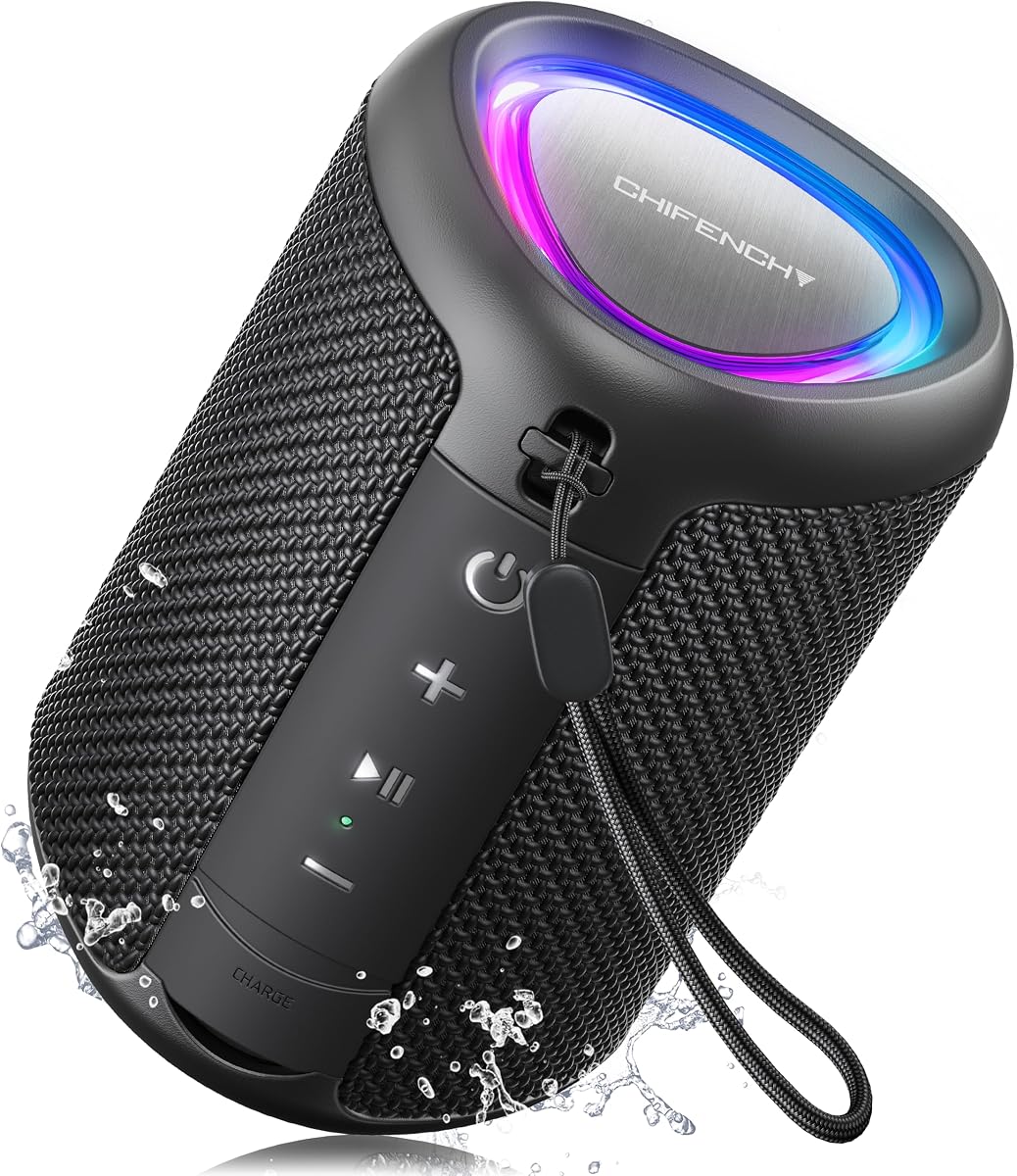
Beach Essentials Mini Party Speaker
Marketed squarely at beach essentials, this mini balances a roughly fifteen-watt continuous / twenty-watt peak driver story with a half-pound chassis you will actually bring. IPX5 protection and sand-minded rinsing guidance match real shore use: mist, splashes, and a hose-off after. Hang the lanyard from an umbrella pole so the speaker stays out of tidal reach and curious toddler hands.
Dynamic LEDs earn their keep at sunset when the playlist becomes the campfire. By day they are optional flair. Bluetooth 5.3 with a marketed hundred-foot class link helps when the phone naps in a cooler; TWS pairing toward a combined thirty-watt stereo story is the growth path for couple beach kits.
Fifteen hours of play covers sunrise yoga to evening card games if volume stays sane. Kitchen and garage secondary lives are intentional—the listing pitches toolbox and dorm duty, not only vacations.
Accept the physics of a three-inch-class body: punchy and fun, not earth-moving. Wind is the enemy; tuck the speaker behind a tote as a windbreak when gusts rise.
Choose this for dedicated beach-bag living. Choose Sony/JBL for tougher IP67 travel tanks. Choose 60W Monsters when the “beach” is actually a pool party with thirty people.
Rinse habit: freshwater rinse after salt air, dry fully, then charge. Salt plus charging pins is corrosion math.
Elevate the speaker for better throw and fewer sand burials. Keep it shaded to reduce heat soak.
Easy win for teens heading to college or friends with annual beach-house trips.
We may earn a commission at no additional cost to you.
JBL Clip 5 is the clip-on archetype refined: ultra-portable Pro Sound with punchy bass that still surprises first-time listeners, wrapped in IP67 armor and a redesigned carabiner with a wider gate. That gate is the lifestyle feature—hook to a backpack daisy chain, belt loop, beach chair, or gym bag zipper pull without wrestling narrow clips from older generations.
Up to twelve hours of play plus a Playtime Boost tap for roughly three more hours matches day trips when you manage volume. Auracast multi-speaker connection lets you stereo-pair Clip 5s or join a larger JBL Auracast party when friends bring compatible speakers—ecosystem thinking the generics rarely match.
Partially recycled materials speak to buyers who want less virgin plastic without sacrificing the waterproof brief. Dustproofing matters as much as waterproofing if your summers are festivals and dirt lots.
It will not replace a Monster 60W can for yard dominance. It will replace the speaker you constantly leave at home because yesterday’s option was too big. That behavioral win is why Clip remains a default recommendation in the budget-portable conversation even when watt spreadsheets look modest.
Buy Clip 5 for daily carry and trusted tuning. Buy Sony XB100 for a strap-focused Sony alternative. Buy Ortizan or dbsono when table-shaking loudness outranks clipping onto life.
Carabiner tip: clip through a strong pack loop, not a fragile zipper pull that can tear under bounce.
If your friend group collects JBL portables, Auracast becomes a shared party trick generics cannot join as easily.
Clip 5 wins everyday. Add a louder IPX8 can when you host, rather than forcing the Clip to be something it is not.
We may earn a commission at no additional cost to you.
Decide whether the speaker must clip to a bag (JBL/Sony class), hang from a strap (Passau), sit on a table as a light-show tower (Ortizan/party cans), or push serious backyard volume (Monster/dbsono). The wrong class gets left at home.
IPX5 = splashes. IPX7/IPX8 = much stronger wet confidence. IP67 adds dust sealing prized at beaches and festivals. Match the rating to your messiest realistic use, not the product photo’s sunny sky.
Twenty-four to thirty hour quotes usually assume moderate volume and lights off. Party levels cut life dramatically. Prefer models that state test conditions, and treat lights as a battery tax.
One speaker is convenience; two matched speakers are a stereo system. If stereo imaging matters, budget attention for a twin rather than chasing impossible bass from a single mini can.
Sony and JBL cost “worry” less for many buyers. Feature-dense generics can win on lights, published hours, and watt labels. Read recent reviews for QC consistency either way.
Raise the speaker off soft sand and soft couches. Hard tables and slight upward tilts help treble travel.
Disable LEDs for endurance; enable them when atmosphere is the point of the gathering.
Complete stereo pairing in calm conditions. Mid-party Bluetooth wrestling kills momentum.
Especially for models that omit USB-C leads. Dead speakers are usually cable problems, not hardware failures.
Freshwater rinse when appropriate for the IP rating, full dry, then charge. Corrosion is silent.
Small clip speakers are personal and picnic loud. For fuller yards, look at 60W-class Monster/dbsono units or TWS pairs. Wind and open space eat volume—placement near listeners beats fighting physics.
For splash risk, often yes. For dunking, dunk-adjacent play, or heavy hose-downs, prefer IPX7, IPX8, or IP67 models in this guide.
True Wireless Stereo links two compatible speakers so they play as a left/right pair. It is the best budget path to bigger sound without a wired receiver.
Because you will carry it. Tuning consistency, carabiner usability, IP67 sealing, and Auracast ecosystem value outweigh peak-watt spreadsheets for everyday life.
Several generics in this pack include TF and/or AUX paths—Ortizan and Monster-class units are examples. Sony and JBL Clip focus more on Bluetooth simplicity. Check the specific listing.
Plan shorter than the box’s maximum claim. High volume plus LEDs can cut endurance in half or worse. Start the event fully charged and keep a cable nearby.
They are marketing ceilings, not guaranteed clean loudness. Compare RMS figures when published, read user comments about distortion, and trust your ears in return windows.
IP67 units like Sony XB100 and JBL Clip 5 are the safer shower conversation. Keep them out of the steam’s worst direct spray when possible and dry before charging.
For casual music, stability and range in your real space matter more than the decimal. Newer versions can help efficiency and connection speed, but walls and pockets still dominate dropouts.
If the TV has Bluetooth audio output, often yes—with possible lip-sync quirks. Many TVs behave better with ARC soundbars. Test dialogue sync during your return window.
The best Bluetooth speakers under $50 in 2026 split into carry-first and party-first camps. JBL Clip 5 and Sony SRS-XB100 dominate grab-and-go life with IP67 credibility; Monster S620-class and dbsono SoundPulse chase yard loudness; Ortizan stretches playtime with IPX7 and RGB; ultralight beach minis and Passau’s strap design solve how the speaker travels when your hands are full.
Pick the class that matches your messiest real day, verify live ratings and wetness ratings before you buy, and remember that a second TWS twin often beats asking one tiny can to shake the block. Keep a cable in the pouch, rinse salt thoughtfully, and let placement—not just watt labels—do half the acoustic work.