Detailed review
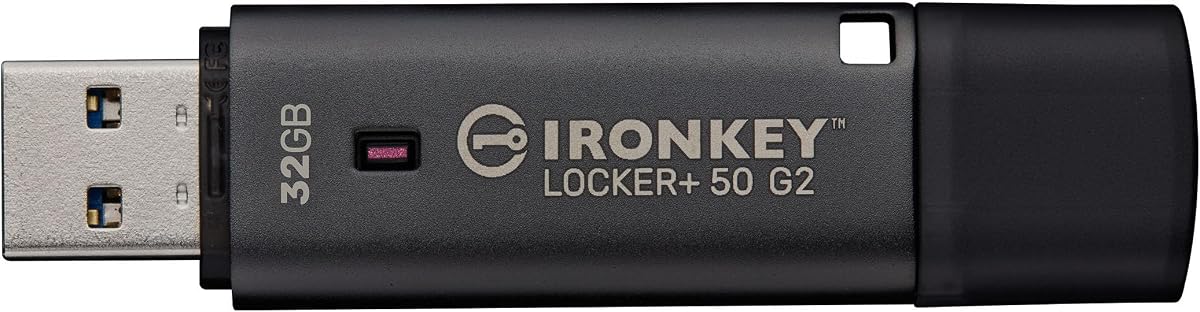
Crypto fundamentals match the 32GB Locker+ G2: XTS-AES 256-bit hardware encryption, FIPS 197 certification, and admin/user password modes with complex or passphrase styles. That consistency is a feature. Teams can standardize on Locker+ G2 behavior and let individuals pick capacity. Training docs stay identical. Recovery drills stay identical. Only the free space changes. In security operations, boring consistency beats exotic one-offs.
Speed ratings remain up to 145 MB/s read and 115 MB/s write. With sixty-four gigabytes you are more likely to transfer larger batches, so plan for coffee-break copies rather than instant clones. Use USB 3 ports, avoid ancient unpowered hubs, and close chatty antivirus scans on the vault path if your IT policy allows exclusions for known encrypted volumes. The drive's job is confidentiality first, throughput second.
Who outgrows this stick? People who shuttle multi-camera RAW days, virtual machine libraries, or full disk images. Those workloads belong on encrypted portable SSDs, not USB flash. Who is perfectly served? Law offices, clinics, accountants, journalists with document-heavy beats, and IT staff moving configuration bundles and certificate exports. If your files are mostly office formats and compressed archives, 64GB of IronKey space is a sweet spot in this pack.
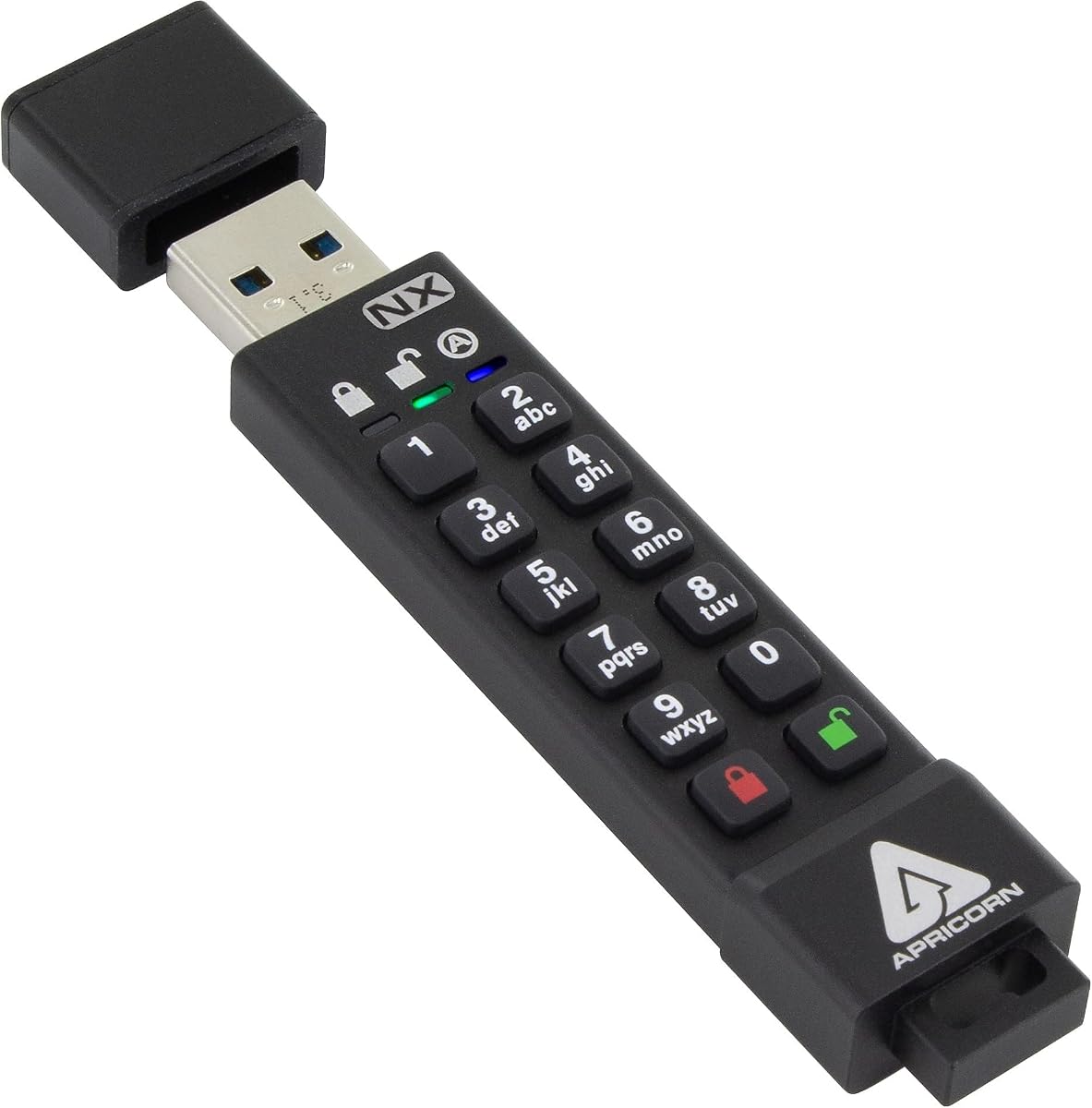
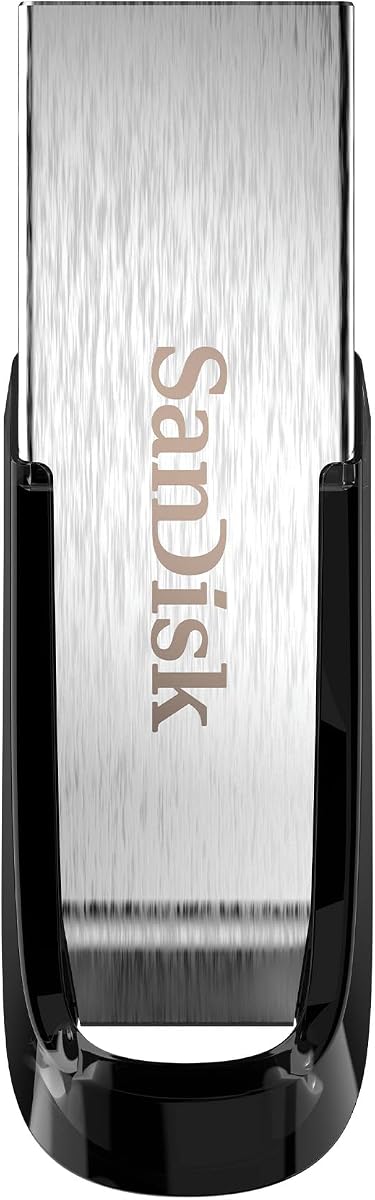
Against keypad models, the Locker+ wins on simplicity and usually on pocketability. Against Apricorn's Aegis Secure Key 3 NX, the Locker+ wins on capacity in this specific pack configuration—the Apricorn here is an 8GB highly validated keypad specialist. Against SanDisk Ultra Flair, the Locker+ wins on hardware-crypto seriousness while losing on raw capacity and casual convenience. Pick according to whether losing the stick would be an inconvenience or an incident.
Our buying advice is blunt: if you want one encrypted flash drive recommendation from this list for general professional use in 2026, start with the Locker+ 50 G2 64GB. Initialize it carefully, document admin credentials offline, and keep a second backup of anything irreplaceable. That combination—hardware AES, FIPS 197, multi-password control, and practical capacity—is why it wears the Best Overall badge here.
If you already own the 32GB Locker+ and constantly prune, upgrading capacity is more valuable than switching brands. If you are starting fresh and your laptops are USB-C only, weigh the Keypad 200 USB-C 64GB before you commit to a lifetime of dongles. Otherwise, this is the pack's most balanced secure stick.
Who should buy the 64GB Locker+ G2
Professionals who need a daily-driver encrypted vault for documents and moderate media, with room to grow through a busy year, should put this first on the shortlist. It is also the easiest IronKey to standardize across a small team that already likes password unlock workflows.
Capacity planning tips
Leave slack. A vault at ninety-five percent full becomes painful when encryption metadata, temp files, and just one more PDF collide. Aim to keep headroom for emergency exports. Archive cold years to a second encrypted drive or secure cloud rather than deleting under pressure at the airport.
Versus the Keypad 200 USB-C 64GB
Same rough capacity class, different trust boundary. Locker+ asks the host to participate in password unlock. Keypad 200 asks your thumbs to enter a PIN on the device. Choose Keypad when host trust is the weak link; choose Locker+ when you want a simpler stick and already control the machines you use.