Prioritize awareness before bass
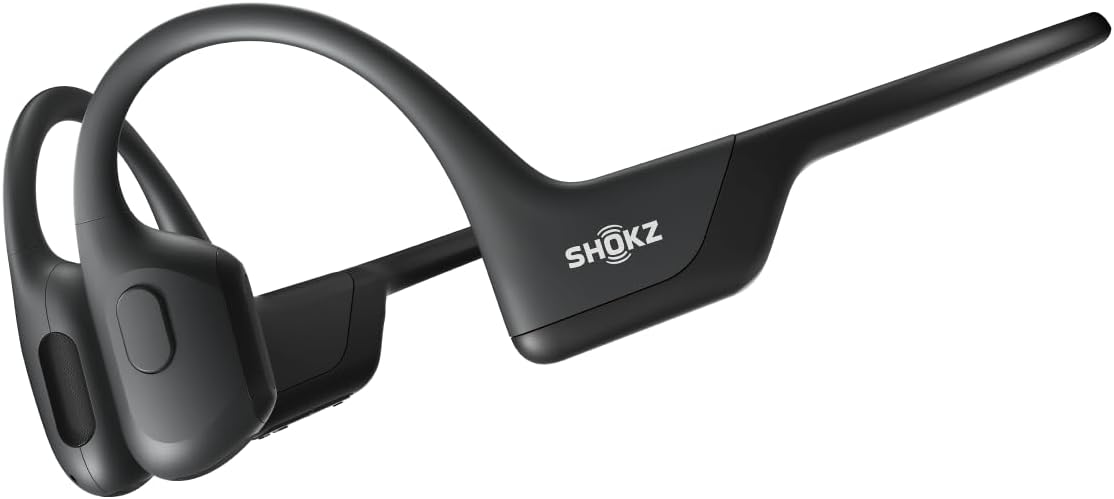
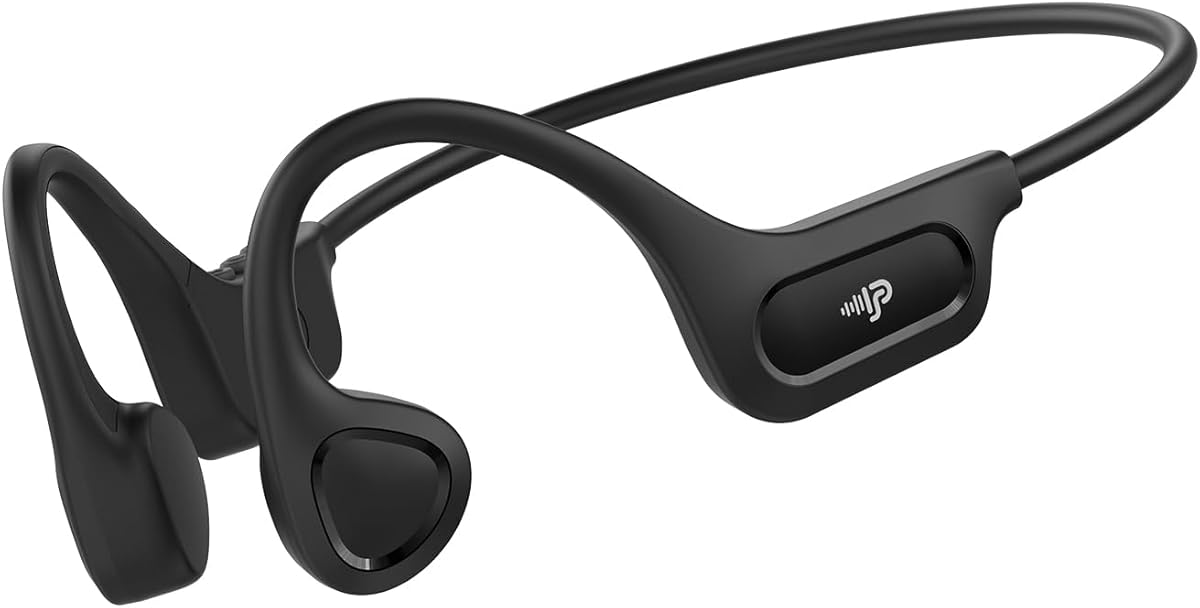
On open roads, bike lanes, and shared paths, hearing engines, bells, and shouted warnings is part of the safety system. Open-ear bone conduction and open-hook or clip designs keep canals free so ambient sound remains natural. Sealed tips and deep ANC can feel immersive on a trainer, yet they are the wrong default for dense traffic. Many riders eventually own both: an open-ear pair for outdoors and a sealed pair for basement winters.
If local laws or event rules restrict headphone use, follow those rules first. Some regions allow a single open ear only; others ban headphones on certain roads. Product excellence never overrides the regulation that applies to your ride.
Match the silhouette to helmet and glasses
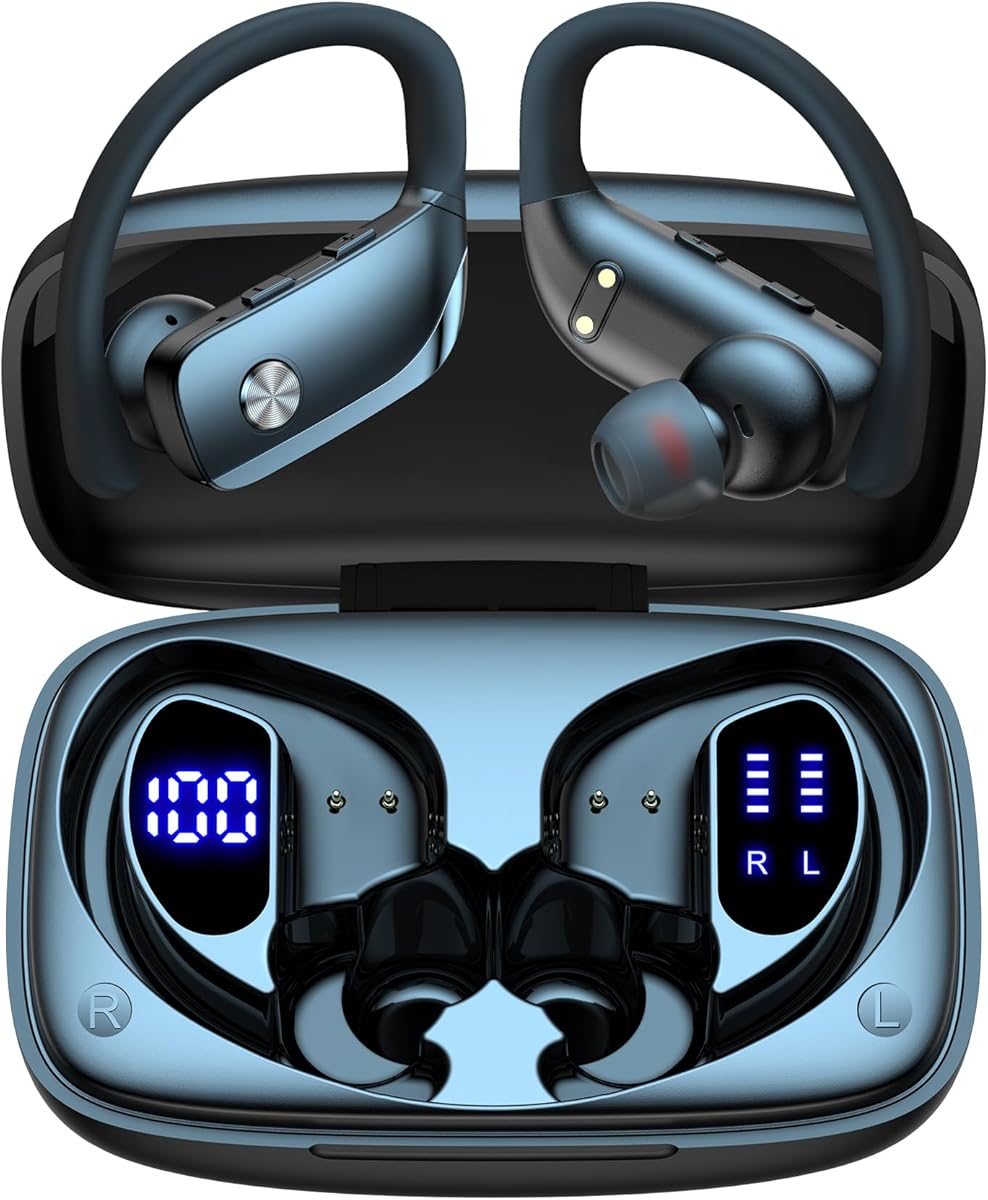
Wraparound bone-conduction bands, over-ear hooks, and clip-ons all interact differently with helmet pads, sunglass arms, and winter skullcaps. Do a full kit rehearsal: earbuds on, glasses on, helmet strapped, then shake your head and look over each shoulder as you would in traffic. Hotspots that appear after ten minutes indoors often become deal-breakers at mile sixty.
Riders who wear prescription glasses should pay special attention to temple clutter. Hooks that share real estate with thick frames may need a different tip angle or a lighter open-ear band.
Read waterproof ratings with cycling honesty
IPX5 handles sweat and light rain. IPX6 improves resistance to stronger sprays. IPX7 adds immersion-style protection for heavy sweat and downpours, though none of these ratings mean you should swim or pressure-wash the buds. Road spray from wet tires can be surprisingly aggressive—favor higher ratings for year-round commuting.
After salty summer rides, wipe meshes and contacts, dry tips separately, and avoid sealing wet buds into a closed case. Charging-pin corrosion ends more sport earbuds than a single rain shower.
Battery patterns that match real ride weeks
Bone-conduction bands often quote a single ten-hour onboard battery with quick-charge tricks. Hook buds usually advertise per-bud hours plus a large case total. Commuters who ride five days a week should care about case displays and easy desk charging. Bikepackers should care about cables, power banks, and whether a case can recharge buds in a tent vestibule.
Ignore fantasy uninterrupted listening claims if you never ride more than ninety minutes. Instead, ask whether the system survives your busiest training week without becoming a chore.
Controls, wind, and calls on the roadside
Physical buttons generally beat touch pads when fingers are wet, gloved, or sunscreen-slick. Touch can work if gestures are deliberate and sensors sit away from helmet straps. Practice skip and volume actions while standing over the bike before you need them in traffic.
Wind noise destroys call quality on fast descents regardless of mic marketing. Plan to stop rolling for important conversations. ENC and multi-mic arrays help at moderate speeds; they are not magic in a headwind gorge.
Indoor trainers versus outdoor miles
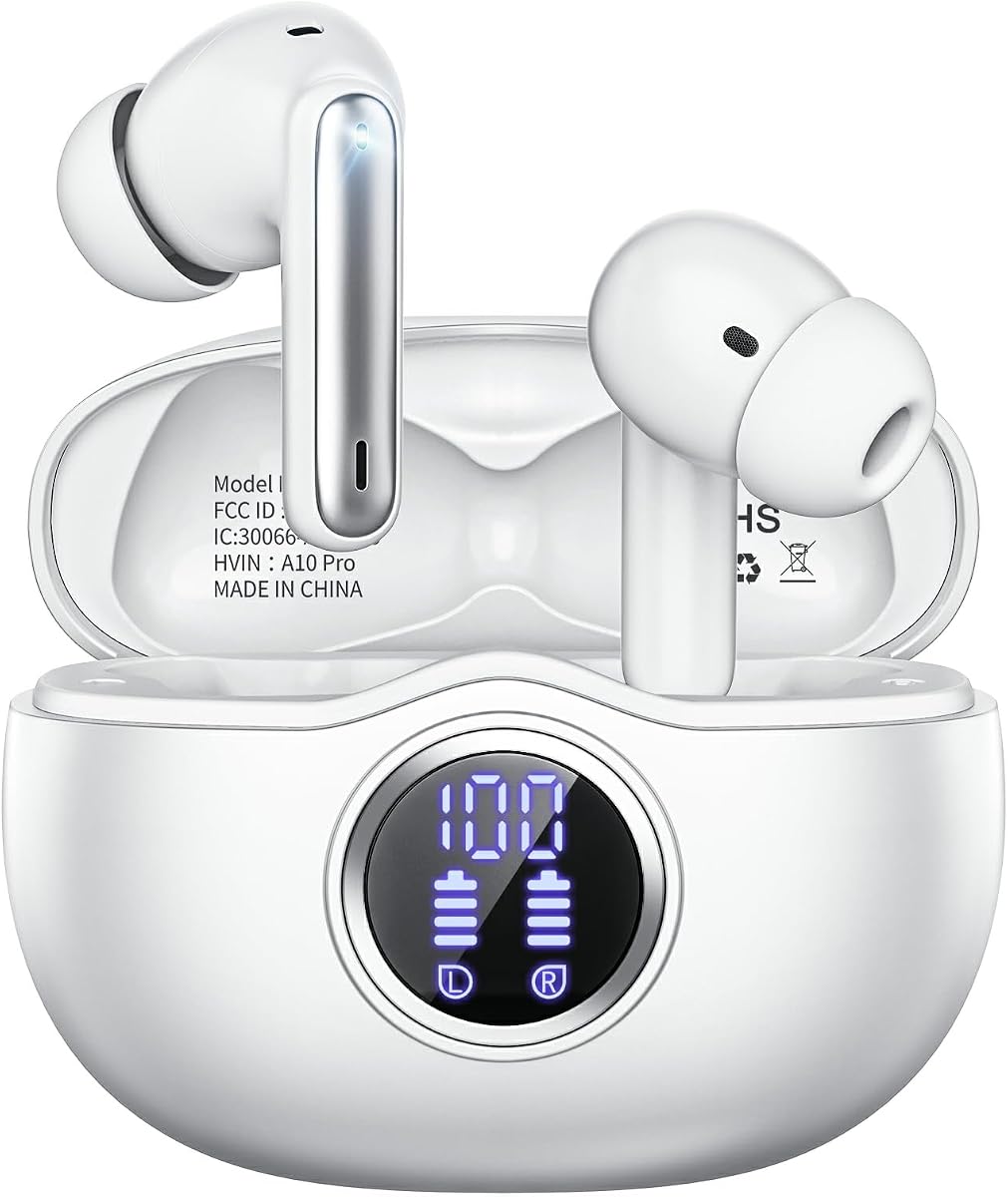
Trainer riders benefit from seal, bass, and optional ANC that tame fan noise. Outdoor riders benefit from open ears and moderate volumes. If your season flips between garage base miles and spring road camps, a two-headset strategy is rational—not extravagant. This pack includes strong options for both environments so you can specialize instead of compromising every ride.