Detailed review
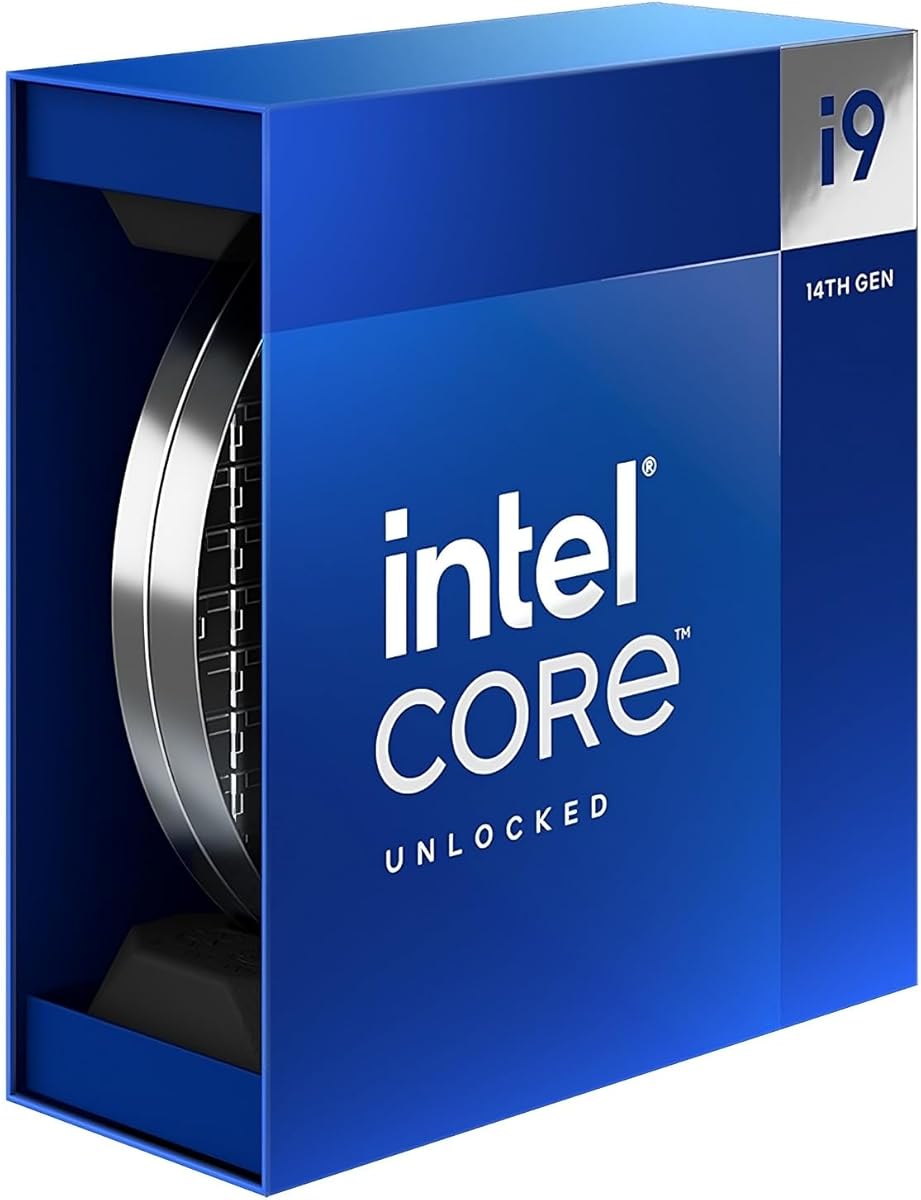
On a 14900K, cooling is not a side quest. Base power is only the starting point; package power can climb hard under all-core work, and motherboard power limits often push the chip into a regime where a weak cooler forces clock drops and noisy fans. The Nautilus 360 RS attacks that problem with radiator size first. Three high-static-pressure fans push air through dense fins more effectively than a single-tower air cooler can manage in a warm mid-tower, especially if your GPU is already heating the intake path.
Noise behavior is a major reason to choose this over flashier Corsair liquid coolers. The pump is specified around a whisper-quiet 20 dBA, and the RS120 fans use AirGuide technology with Magnetic Dome bearings aimed at strong airflow without unnecessary turbulence. In a well-vented case with a sensible PWM curve, the Nautilus can keep the 14900K in a usable temperature band during gaming while staying in the background. Under synthetic all-core torture, fans will spin up—as they should—but you are not starting from a weak thermal budget.
Installation is intentionally straightforward. Pre-applied thermal paste and a convex cold plate reduce the chance of uneven contact on Intel’s LGA 1700 heat spreader shape. Daisy-chaining the three RS fans to a single 4-pin PWM header keeps cable management sane, which matters when your board already has dense VRM heatsinks and M.2 armor competing for space. Compatibility covers Intel LGA 1851 and LGA 1700 plus AMD AM5 and AM4, so the cooler can move with you if you later change platforms.
Who should buy it? Builders who want 360 mm liquid performance for a 14900K gaming or creator PC, prefer a black no-nonsense look, and do not need an LCD pump. Who should skip it? Anyone in a case that only fits 240 mm radiators, or anyone who refuses liquid coolers on principle—look at the Noctua NH-D15 G2 HBC or Dark Rock Pro 5 instead. Also skip if you specifically want the Titan’s display and iCUE LINK ecosystem; the Nautilus is the simpler sibling.
Pairing advice for 14900K systems: mount the radiator as intake or exhaust based on your case’s path, but prioritize a consistent air direction so you are not fighting GPU heat. Set a fan curve that stays quiet below roughly mid-package temperatures and ramps before thermal throttling. Update BIOS for your 600- or 700-series board, apply Intel’s recommended power guidance if you want cooler-friendly sustained clocks, and verify pump header detection in the firmware so the AIO never runs dry of PWM control.
Who it is for on a 14900K build
Choose the Nautilus 360 RS if your case clearly supports a 360 mm radiator, you want Corsair reliability without LCD complexity, and your workload mixes gaming with multi-threaded apps. It is especially sensible for mid-tower builds where dual-tower air coolers collide with tall RAM or thick motherboard armor.
Skip it for SFF cases, for ultra-silent office PCs that rarely load all cores, or if you already own a strong dual-tower and only need a quiet fan upgrade.
Setup notes for Intel LGA 1700
Use the included Intel mounting hardware for LGA 1700, clean the IHS thoroughly, and seat the cold plate evenly before final torque. Confirm the pump is powered from a CPU_OPT or dedicated pump header per your board manual, daisy-chain the RS fans, and run a 15-minute Cinebench or Blender stress to validate temperatures before enabling aggressive overclocks.
Versus other 360 mm options in this list
Against the Corsair Titan 360 RX LCD, the Nautilus trades the screen and iCUE LINK hub for a simpler, quieter-focused package. Against the Cooler Master 360L Core, you get Corsair’s RS fan and daisy-chain story versus Cooler Master’s ARGB-forward Gen S pump. Pick Nautilus when cable simplicity and low-noise marketing matter more than frosted ARGB blades.