Detailed review
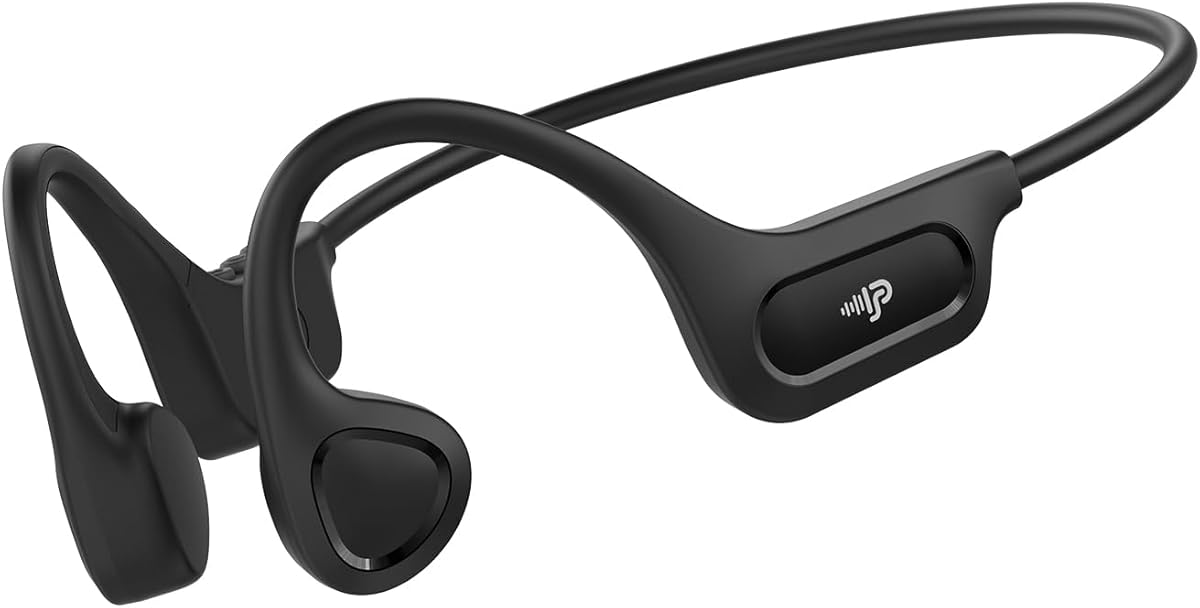
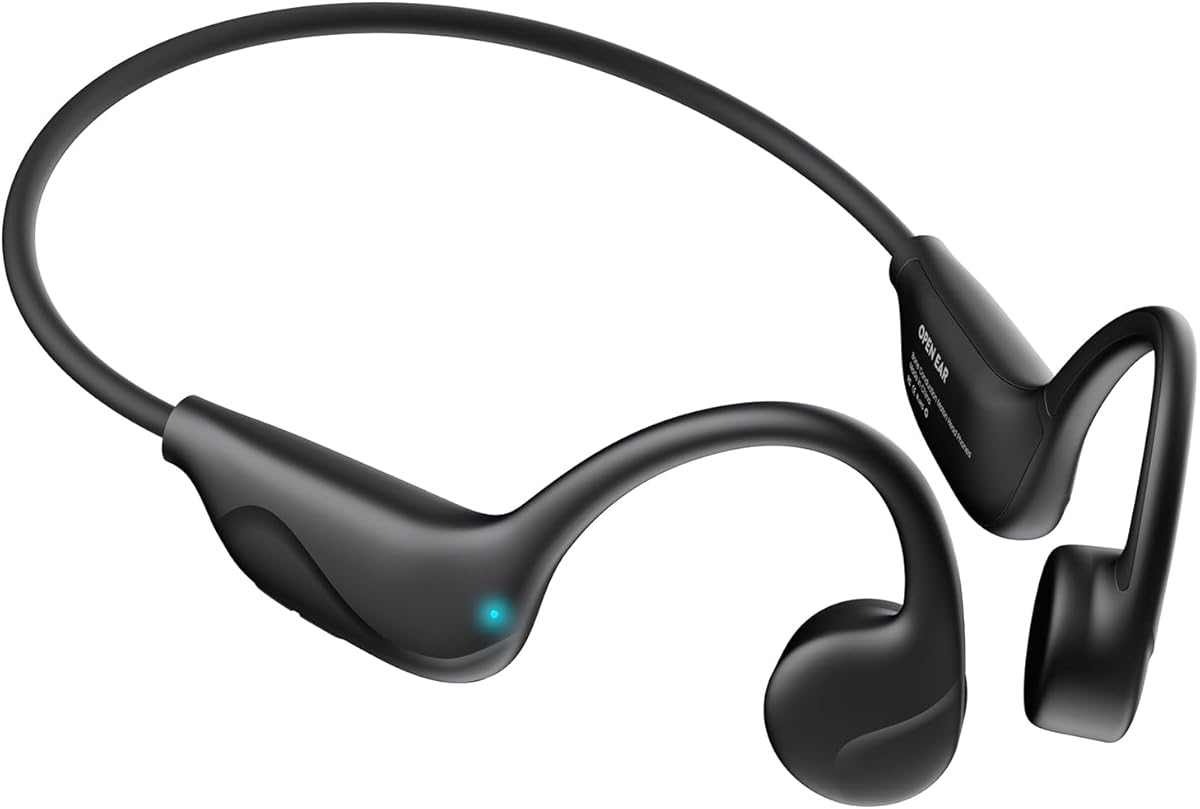
Sound is delivered through large 13 mm bone conduction drivers with a published 90 dB sensitivity target. Bone conduction will never match sealed in-ear bass slam, and PSIER is honest about leaning on acoustic sealing to cut leakage rather than pretending you get club-level low end. What you do get is richer midrange detail for podcasts and playlists while traffic and trail noise remain audible. For safety-minded road runners, that tradeoff is the entire point of the category.
Bluetooth 6.0 is the connectivity headline: faster pairing, a stable connection out to a claimed 33-foot range, and roughly 60 ms latency for people who watch form videos or race footage while warming up. Real-world walls and pockets still matter more than marketing meters, so keep the phone on an armband or waist belt rather than buried in a backpack. The built-in microphone covers workout check-ins and short calls; expect outdoor wind to challenge any open mic the same way it does on every sport headset.
Endurance is listed at about 10 hours of music or podcasts at 50% volume, with Type-C charging back to full in roughly two hours and a long standby figure for people who only use them a few times a week. If you routinely push volume outdoors to overcome wind noise, plan on shorter sessions between charges. IPX5 protection covers sweat and sudden rain for gym and road work, but the listing correctly notes these are not underwater headphones—swimmers should look at PSIER’s separate IPX8 model later in this guide.
The Boean app layer adds personalized EQ (bass boost, vocal balance, genre profiles) and novelty AI song generation. Treat the app as a nice bonus rather than the reason to buy; the hardware still has to fit securely and stay comfortable without software. For most buyers, PSIER earns its place as a lightweight daily trainer: not the absolute highest-rated model here, but a coherent package of weight, Bluetooth generation, and open-ear awareness for land-based sports.
Fit tips matter more than feature lists with this form factor. Seat the transducers firmly on the cheekbones just in front of the ears, then fine-tune the wrap so the band does not creep upward when you look down at a watch. If sunglasses or a cycling helmet compete for the same real estate, try the combination at home before a long ride. Once the geometry clicks, the PSIER set disappears into the background in the way good open-ear gear should.
Who should buy the PSIER running model
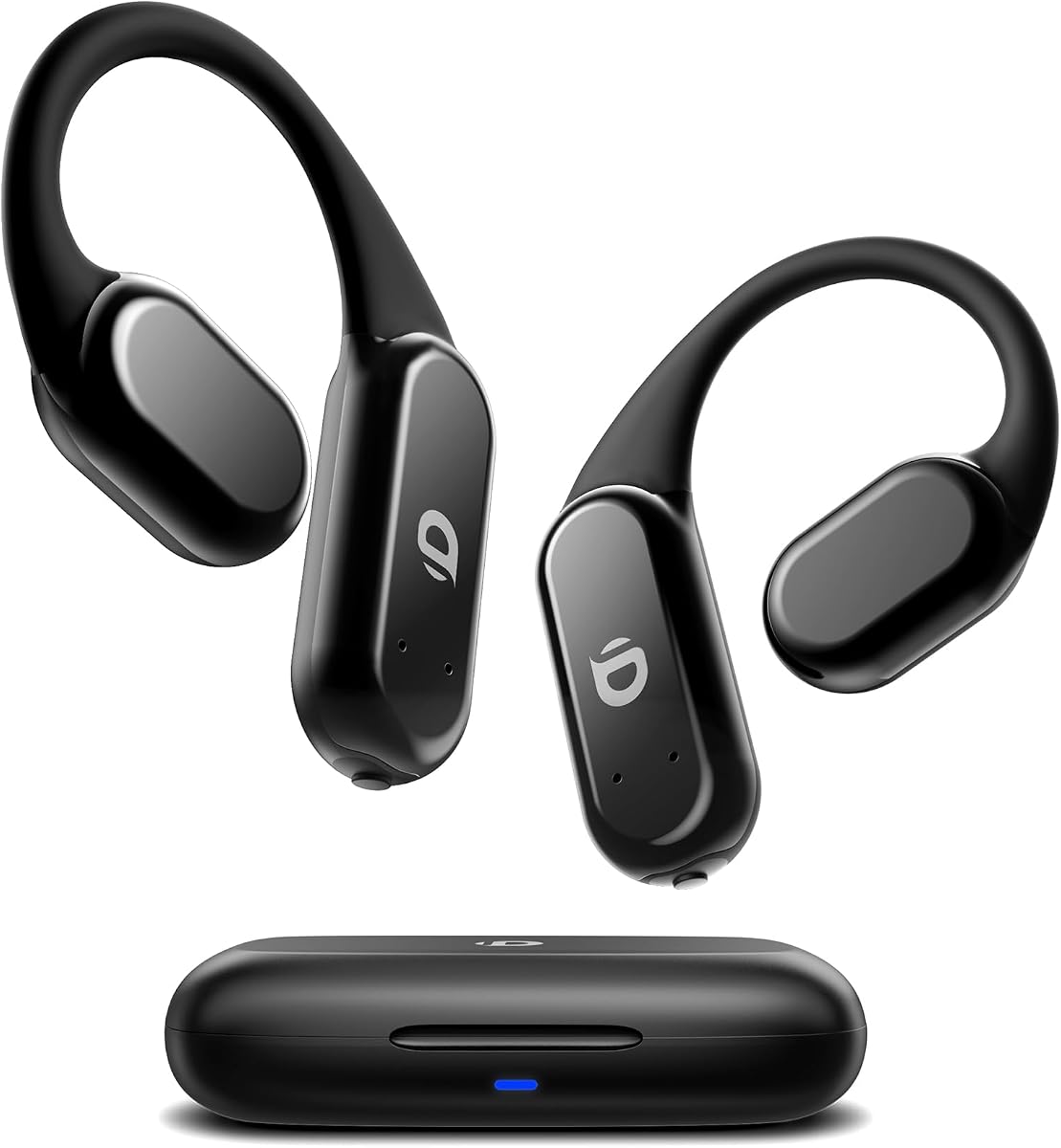
Choose this PSIER if you want a classic wraparound bone conduction headset that prioritizes low weight and Bluetooth 6.0 for road running, gym circuits, and hiking. It is a strong match for people who dislike anything inside the ear canal and need ambient awareness on shared paths. Skip it if swimming is a primary use case or if you specifically want true wireless buds that drop into a charging case.
Setup and first-week tips
Pair once from your phone’s Bluetooth menu, then optionally install the Boean app to try EQ presets. Start at moderate volume outdoors so you can still hear traffic, and raise level only as needed. Wipe sweat after workouts to keep the IPX5 seals happy, and store the frame uncrushed in a soft pouch rather than jammed under heavy gym plates.
How it compares in this pack
Against the CXK model, PSIER is lighter but sits lower in aggregate rating and water resistance. Against the swimming PSIER, this land-focused unit trades underwater capability for a simpler daily profile. It occupies the middle of the pack as a competent, modern wraparound trainer rather than a specialty tool.