Detailed review
Color and HDR are flagship-class on paper and in practice for a gaming desk. VESA DisplayHDR 400 True Black compliance, 99% DCI-P3 coverage, true 10-bit color, and Delta E under 2 mean this is not a washed-out “gaming mode only” panel. Story-driven games, racing titles, and cinematic cutscenes benefit as much as ranked shooters. ROG’s anti-flicker approach during refresh-rate fluctuations is a thoughtful touch for variable-rate play, where some OLEDs can introduce distracting flicker when FPS swings.
ASUS leans hard into longevity messaging, which matters if you are choosing OLED over Fast IPS. A custom heatsink and advanced airflow design help manage panel heat, while OLED Care+ functions and DisplayWidget Center give mouse-driven access to protection tools instead of burying them in awkward OSD menus. The three-year warranty with advanced replacement and burn-in coverage is not marketing fluff for this category—it is part of why many buyers feel comfortable putting a QD-OLED on a daily driver PC.
AI Gaming features and G-SYNC Compatible support round out the ROG software stack. You still need a GPU and game mix that can approach the Hertz you paid for; otherwise you are buying contrast and color first, speed second. For hybrid desks that leave Discord, Excel, or a browser parked for hours, enable pixel cleaning schedules, hide taskbars when possible, and use dark themes. That is normal OLED ownership in 2026, not a dealbreaker—just an honesty check versus the XG27ACMS Fast IPS if your day is 70% static windows.
Compared with LG’s 240Hz UltraGear OLED in this same pack, the XG27ACDNG bets on higher peak refresh and ROG’s cooling/care suite. Compared with the tandem WOLED XG27AQWMG, it prioritizes the 360Hz competitive ceiling. Pick this Strix when ranked play and OLED contrast are equal priorities and your hardware can justify the Hertz. Skip it if you want a brighter glossy tandem HDR punch or a simpler no-burn-in-anxiety IPS lifestyle.
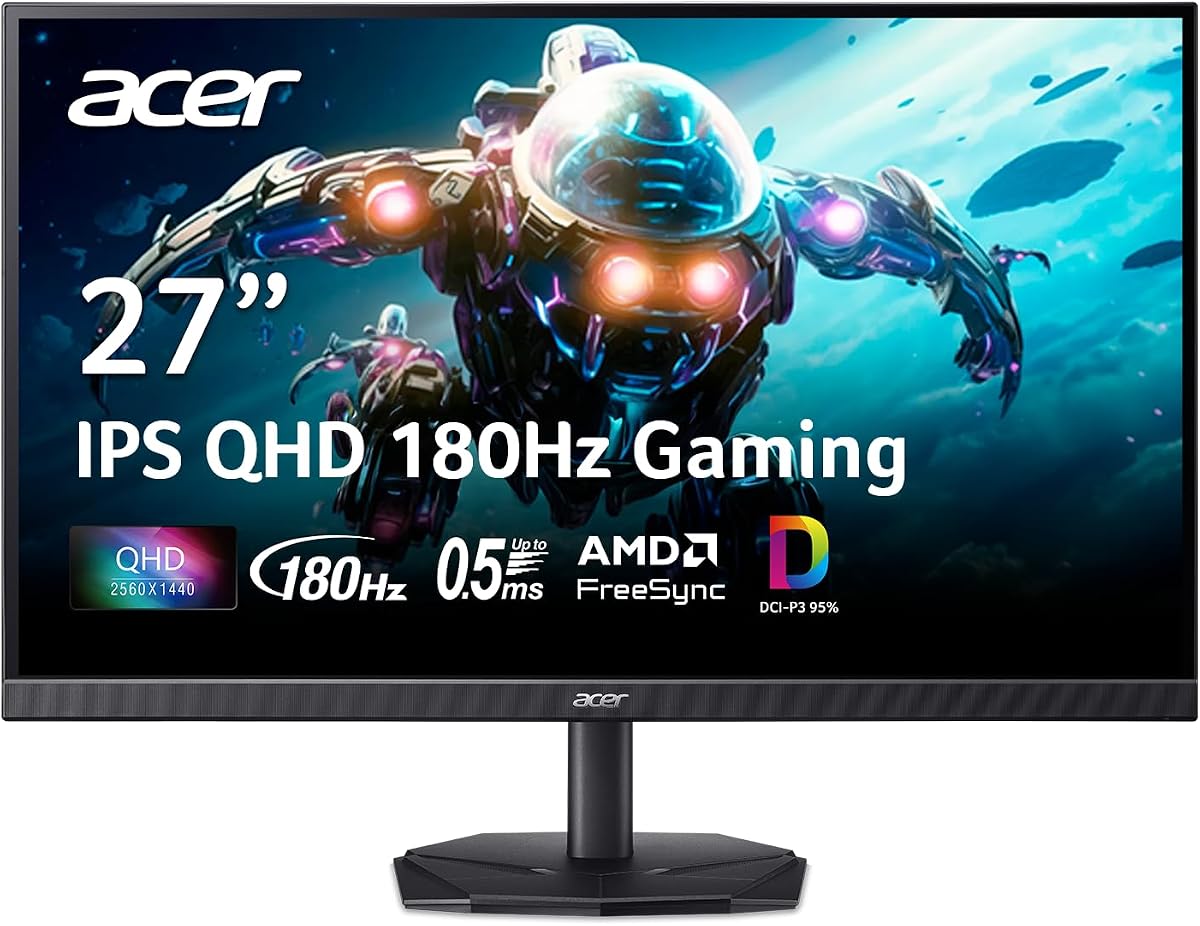
Desk reality: 26.5–27 inches at QHD remains the competitive sweet spot for pixel density and aim clarity. Sit at a normal desktop distance, use a quality DisplayPort cable, and let G-SYNC Compatible or Adaptive-Sync handle tears. If you stream or record, the color volume looks excellent on camera—just manage overlays so static logos are not parked for marathon sessions without care features enabled.
Competitive OLED workflow
Cap or unlock FPS based on your title, enable G-SYNC Compatible, and use DisplayWidget to park brightness and OLED Care settings you trust. For pure aim training, some players prefer a slightly cooler, less saturated mode; for story nights, switch back to a wider color profile. The 360Hz panel rewards consistency more than occasional 300+ FPS spikes.
Burn-in risk in plain terms
Modern QD-OLEDs with heatsinks, pixel care, and burn-in warranties are far more practical than early consumer OLEDs, but static HUDs, news tickers, and bright taskbars still deserve respect. Hide the taskbar, vary content, and let standby pixel cleaning run. If your job is Excel all day and ranked for an hour, Fast IPS may still be the calmer ownership story.