Expert Review & Guide

Best 500GB SSDs 2026 for Upgrades, Gen4 NVMe, and Portables

Half a terabyte remains the most practical first SSD upgrade for aging laptops, secondary game libraries, and pocketable project drives in 2026. At this capacity you get a meaningful Windows or macOS boot volume, a curated Steam or Epic library, or a travel archive for 4K clips without paying the premium that multi-terabyte Gen4 flagships command. The decision is less about raw gigabytes and more about interface: a 2.5-inch SATA III stick can transform a spinning-disk notebook overnight, while a PCIe 4.0 M.2 2280 module unlocks multi-gigabyte-per-second installs on modern desktops and PS5 consoles, and a USB-C portable SSD turns that same capacity into something you can clip to a backpack.

This roundup covers every drive in our 500GB pack—internal SATA and NVMe options plus two portable USB SSDs—ranked for real upgrade outcomes rather than synthetic bragging rights alone. We weigh sequential claims against form-factor fit, call out graphene or aluminum thermal aids where the listing includes them, and treat TLC versus QLC messaging, SLC cache behavior, and brand software support as practical buying signals. You will not find invented ASINs or dollar prices here; every image, URL, and rating comes straight from the pack.

Start with the three top picks if you want a clear default for a trusted SATA everyday upgrade, a low-power Gen4 NVMe for laptops and consoles, or a rugged encrypted portable. Use the comparison table to scan interface and peak speed claims side by side, then dig into each review for who should buy, who should skip, and how the drive behaves once the cache window closes.

Top 500GB SSD Picks for Everyday Upgrades, Gen4 Speed, and Travel

Best Overall SATA Upgrade

Crucial BX500 500GB

★★★★★9.6/10
Crucial BX500 500GB
  • 2.5-inch SATA/600 with up to 540 MB/s read and 500 MB/s write for boots and multitasking
  • Energy-efficient Micron-backed design that stays reliable in laptops and desktop bays
  • Highest pack rating for a straightforward internal upgrade that outclasses mechanical drives
Check Price →
Best Everyday Gen4 NVMe

Kingston NV3 500GB

★★★★★9.4/10
Kingston NV3 500GB
  • PCIe 4.0 Gen4x4 M.2 2280 with up to 5000 MB/s class performance for modern slots
  • Low-power NVMe focus suited to thin laptops, desktops, and console expansion workflows
  • Kingston’s mainstream Gen4 positioning without forcing a heatsink-heavy flagship purchase
Check Price →
Best Rugged Portable

SANDISK Extreme Portable 500GB

★★★★★9.2/10
SANDISK Extreme Portable 500GB
  • USB-C / USB 3.2 Gen 2 portable with up to 1050 MB/s read and 1000 MB/s write peaks
  • IP65 water and dust resistance plus up to 3-meter drop protection for field use
  • 256-bit AES hardware encryption and carabiner loop for travel-ready project archives
Check Price →

As an Amazon Associate we earn from qualifying purchases. We may earn a commission at no additional cost to you.

500GB SSD Comparison: Interface, Peak Speeds, and Use Case

Scan every 500GB drive in the pack by the three details that decide fit before you buy: interface and peak sequential claims, internal versus portable form factor, and the reliability or software cues each listing emphasizes. No dollar prices—check the live Amazon page for today’s deal.

#ProductSpecificationsScore
1
  • 2.5" SATA (SATA/600) internal
  • Up to 540/500 MB/s sequential
  • Everyday boot & multitasking focus
9.6
2
  • PCIe 4.0 Gen4x4 M.2 2280 NVMe
  • Up to 5000 MB/s read speeds
  • High-speed, low-power storage focus
9.4
3
  • PCIe 4.0 x4 M.2 2280 NVMe
  • Up to 6,600 MB/s read speed
  • Creator-focused BiCS QLC + Dashboard
9.4
4
  • USB-C / USB 3.2 Gen 2 portable
  • Up to 1050 MB/s read speeds
  • IP65 rugged + 256-bit AES encryption
9.2
5
  • 2.5" SATA III 3D NAND internal
  • Up to 550/500 MB/s sequential
  • Low power; SATA II backward compatible
9.4
6
  • SATA III 6 Gb/s, 2.5"/7mm
  • Up to 560 MB/s read speeds
  • WD Blue SA510 mainstream SATA
8.8
7
  • USB-C portable, up to 1050 MB/s
  • USB-C & USB-A cables in box
  • Aluminum case; phone & tablet focus
9
8
  • PCIe Gen4 x4 NVMe, up to 4700 MB/s
  • PS5, PC, and laptop internal upgrade
  • Graphene heat dissipation sticker
8.8
9
  • 2.5" SATA III 6Gb/s, up to 560 MB/s
  • 3D NAND TLC flash architecture
  • Desktop & laptop internal upgrade
9
10
  • 2.5" SATA III 6Gb/s internal
  • Up to 500 MB/s read speeds
  • 3D NAND TLC for write longevity
9

1. Crucial BX500 500GB - Best Overall SATA Upgrade

Crucial BX500 500GB

Crucial BX500 500GB

9.6/10★★★★★

The Crucial BX500 500GB is the default internal answer when your machine still speaks SATA and you want the upgrade to feel finished rather than experimental. Advertised reads up to 540 MB/s and writes up to 500 MB/s sit at the practical top of the SATA/600 envelope, which is exactly the bandwidth that turns a clicking hard-disk notebook into something that boots into a usable desktop before your coffee cools. At half a terabyte you can park Windows, office suites, browsers, and a curated game or media folder without pretending this stick will hold an entire 4K archive forever.

  • 2.5-inch SATA/600 internal SSD
  • Up to 540/500 MB/s read/write
  • Energy-efficient Micron SATA design
Check Price →
✓ Pros
  • Highest rating in the pack for a trusted Micron-branded SATA everyday upgrade
  • 540/500 MB/s class speeds that transform HDD laptops for boots and app launches
  • 2.5-inch form factor fits most notebook caddies and desktop SATA bays without adapters drama
  • Power-efficient design suits battery-sensitive machines better than aging mechanical drives
  • Straightforward pick when you want reliability cues over chasing Gen4 peak charts
✕ Cons
  • SATA III ceiling cannot match PCIe Gen4 NVMe sequential bandwidth in this pack
  • DRAM-less budget SATA architecture may soften under long sustained writes after cache fills
  • Not a portable USB solution if you need storage that leaves the chassis

Detailed review

What separates the BX500 in this pack is not a flashy heatsink story—it is the combination of Micron branding, a 4.8 rating, and an energy-efficient design that matches how people actually upgrade. Most 500GB buyers are replacing a failing 2.5-inch HDD or adding a secondary volume beside an existing OS drive. They need a drive that clones cleanly, draws less power than a platter, and stays quiet under the palm rest. The BX500’s SATA interface is backward-friendly with older chipsets, so you are not forced into a motherboard swap just to escape mechanical latency.

Performance expectations should stay honest. Sequential peaks around half a gigabyte per second feel transformative versus HDD seeks, yet they will never chase the Kingston NV3 or SANDISK Optimus 5100 NVMe sticks in the same capacity class. That is fine. If your laptop only has a SATA bay, Gen4 megabytes on a shopping tab are fantasy. Where budget SATA drives sometimes disappoint is long sequential writes once SLC cache is exhausted; plan large video dumps or disk images for moments when you can let the transfer finish rather than expecting NVMe-like sustained plateaus.

Capacity planning at 500GB means curation. Use this drive as a boot-plus-active-projects volume, keep cold archives on an external, and leave room for Windows updates and pagefile growth. Multitasking responsiveness—the BX500 listing’s own framing—is where SATA SSDs still earn their keep: opening dozens of browser tabs, launching Lightroom catalogs of moderate size, and swapping between office apps without the thrashing sound of a dying platter. Non-volatile NAND also means your working set survives unexpected power loss better than a spinning disk mid-write in many failure modes, though you should still keep backups.

Installation is beginner-friendly: power down, ground yourself, swap the 2.5-inch bay or caddy, connect SATA data and power on a desktop, then clone with your preferred migration tool or perform a clean OS install. On laptops, confirm 7mm height clearance—most modern BX500-class drives are slim enough. Enable AHCI in firmware if an old RAID/IDE mode is capping performance, and update chipset drivers so Trim operates correctly under Windows.

Buy the Crucial BX500 500GB when you want the safest overall SATA upgrade in this pack for boots, loading, and everyday multitasking. Skip it if your chassis has a free M.2 Gen4 slot and you care about multi-gigabyte-per-second installs, or if you need a USB-C drive for phones and cameras. As an overall pick for the half-terabyte SATA majority, it sets the reliability-and-usability bar the other 2.5-inch options are measured against.

Who should buy the BX500 500GB

Choose this drive if you are retiring a laptop HDD, adding a quiet secondary volume in a desktop, or cloning an aging SATA SSD that is running out of spare capacity. It is especially sensible for students and home offices that want Micron-backed predictability without NVMe slot constraints.

SATA expectations versus NVMe in this pack

Treat 540/500 MB/s as a ceiling, not a disappointment. The Kingston NV3 and SANDISK Optimus 5100 will crush sequential charts, but only if your machine has the M.2 lane to use them. The BX500 wins when the bay you have is SATA.

Setup tip for Trim and AHCI

After cloning, confirm the drive appears as AHCI/SATA and that Trim is enabled in your OS. Without Trim, write performance on budget SATA SSDs can degrade faster than the marketing charts imply.

Check Price on Amazon →

We may earn a commission at no additional cost to you.

2. Kingston NV3 500GB - Best Everyday Gen4 NVMe

Kingston NV3 500GB

Kingston NV3 500GB

9.4/10★★★★★

Kingston’s NV3 500GB is the everyday Gen4 pick when your motherboard or laptop finally has a free M.2 2280 slot and you are done pretending SATA is enough. PCIe 4.0 Gen4x4 with up to 5000 MB/s read-class performance puts game installs, OS clones, and large project folders in a different league from any 2.5-inch drive in this roundup. At half a terabyte the NV3 works best as a fast boot-and-active-games volume rather than a forever archive—exactly how most people should use a compact Gen4 stick.

  • PCIe 4.0 Gen4x4 NVMe M.2 2280
  • Up to 5000 MB/s read-class performance
  • Low-power focus for laptops & consoles
Check Price →
✓ Pros
  • Honest Gen4x4 positioning with up to 5000 MB/s reads for a clear leap past SATA
  • Low-power design messaging fits thin laptops and thermally tight console bays
  • M.2 2280 form factor matches the majority of desktop and notebook NVMe slots
  • Kingston brand support and mainstream availability reduce upgrade anxiety
  • Strong pack rating for a practical everyday Gen4 stick at 500GB
✕ Cons
  • Peak sequential claims trail the SANDISK Optimus 5100’s higher Gen4 ceiling in this pack
  • 500GB fills faster with modern AAA titles—plan a second drive for large libraries
  • Listing details are sparse on DRAM versus HMB; power users may want denser specs sheets

Detailed review

The listing’s emphasis on high-speed, low-power storage is the right marketing angle for 2026 laptops. Thin chassis throttle when Gen4 controllers dump heat into a palm rest; a drive framed for efficiency is less likely to spend its life in a thermal corner case. Desktops and consoles still benefit from that restraint when the M.2 slot sits under a GPU backplate or behind a console cover with limited airflow. You should still respect heatsink guidance on PS5-class expansions, but you do not need a flagship copper monster for a 500GB everyday stick.

Compared with SATA options like the Crucial BX500 or WD Blue SA510, the NV3’s value is latency and sequential headroom. Application launches that feel fine on SATA feel immediate on Gen4 when the OS and working set live on NVMe. Compared with the SANDISK Optimus 5100, Kingston’s pitch is simpler and more power-conscious rather than creator-max sequential. If your workload is Windows, browsers, creative apps at moderate bitrates, and a rotating game library, 5000 MB/s class reads are already past the point of diminishing returns for human-noticeable waits.

Endurance planning at 500GB means leaving free space. Controllers perform better with spare area for garbage collection; filling a half-terabyte drive to 95% is how people create mysterious slowdowns and then blame the brand. Keep roughly 15–20% free when you can, park raw footage on a portable like the SANDISK Extreme, and use the NV3 for the OS plus the titles or projects you actually open this month. Capacities in the NV3 family scale higher, so treat 500GB as an entry Gen4 footprint, not the end of Kingston’s lineup.

Compatibility is broad: any host that accepts M.2 2280 NVMe and speaks PCIe 4.0—or Gen3 if you accept a capped link—can boot from the NV3. After install, verify link speed in system information tools so you know whether you negotiated x4 Gen4 or landed in a slower slot. Update motherboard BIOS and chipset drivers; OEM laptops sometimes hide NVMe options behind firmware revisions. Secure Boot and BitLocker cloning workflows deserve a clean checklist so you do not brick a recovery partition mid-migration.

Buy the Kingston NV3 500GB when you want a low-power Gen4 everyday upgrade that clearly beats every SATA drive here without demanding creator-flagship sequential numbers. Skip it if you only have a 2.5-inch bay, if you need USB-C portability, or if you specifically want the Optimus 5100’s higher advertised Gen4 ceiling for large media pipelines. As the pack’s everyday NVMe pick, it is the stick most modern-slot owners should shortlist first.

Best fit scenarios

Ideal as a laptop OS upgrade, a desktop boot-plus-games volume, or a console expansion candidate when your device’s support list allows Gen4 M.2 2280 modules and you have a compatible heatsink plan.

Power and thermal notes

Lean on the NV3’s low-power framing in thin notebooks. On desktops, still give the slot airflow; Gen4 writes create heat even when the controller is efficiency-minded.

Versus SANDISK Optimus 5100

Choose NV3 for simpler everyday Gen4 and power-conscious hosts. Choose Optimus 5100 when you want the pack’s higher sequential creator-oriented ceiling and SANDISK Dashboard monitoring.

Check Price on Amazon →

We may earn a commission at no additional cost to you.

3. SANDISK Optimus 5100 500GB - Best Creator Gen4 Speed

SANDISK Optimus 5100 500GB

SANDISK Optimus 5100 500GB

9.4/10★★★★★

The SANDISK Optimus 5100 500GB is the creator-leaning Gen4 stick in this pack: PCIe 4.0 x4 on M.2 2280 with up to 6,600 MB/s read speed on the 500GB model, aimed at people who launch heavy applications and park 4K stills or video projects on a fast internal volume. SANDISK’s broader family messaging cites even higher peaks on larger capacities, so treat 500GB as the agile entry point—enough for a boot drive plus an active project set, not a multi-year raw archive.

  • PCIe 4.0 x4 NVMe M.2 2280
  • Up to 6,600 MB/s read (500GB model)
  • BiCS QLC NAND; SANDISK Dashboard
Check Price →
✓ Pros
  • Highest sequential read claim among internal drives in this 500GB pack at up to 6,600 MB/s
  • Creator-oriented messaging for fast app launches and large media project storage
  • Power-efficient design aims to keep high performance usable on the go
  • SANDISK Dashboard support for monitoring performance and firmware updates
  • M.2 2280 Gen4 fit for modern PCs that need more than everyday 5,000 MB/s class sticks
✕ Cons
  • BiCS QLC NAND can be less write-endurance friendly than TLC under heavy scratch workloads
  • Higher capacity siblings advertise even faster peaks—500GB is the entry rung of the family
  • Needs a true Gen4 x4 slot and thermal awareness to realize advertised sequential numbers

Detailed review

Speed alone does not make a creator drive useful; software and efficiency do. The downloadable SANDISK Dashboard application lets you monitor health, check for updates, and keep firmware current—small habits that matter more than a one-time CrystalDiskMark screenshot. The listing also stresses a power-efficient design so high performance does not immediately punish laptop battery life. That combination suits editors and photographers who bounce between desk docks and cafe tables with the same machine.

NAND type deserves an honest paragraph. The Optimus 5100 line is built on SANDISK BiCS QLC 3D CBA NAND. QLC densifies capacity and can look excellent on sequential reads when SLC caching is healthy, but sustained heavy writes—constant scratch disks, endless virtual machine snapshots, surveillance-style logging—are kinder to TLC-oriented SATA options or larger capacities with more spare area. If your day is read-heavy creative apps and occasional large transfers, QLC Gen4 is a sensible trade. If you rewrite terabytes weekly onto the same 500GB volume, reconsider capacity or NAND class.

Endurance figures in the family messaging scale with capacity; the pack’s about text highlights up to 1,200 TBW on the 4TB model as a creator-oriented ceiling, which implies the 500GB stick is for curated working sets. Keep free space, offload finished projects to the SANDISK Extreme Portable or another archive, and use the Optimus 5100 for the folder you open this week. That workflow matches how fast internal NVMe actually pays for itself: low latency on the hot data, cheap bulk elsewhere.

Thermals still apply. A 6,600 MB/s-class Gen4 drive can warm an M.2 slot during long writes. Desktop builders should avoid sandwiching the stick under a heavy GPU with zero airflow; laptop owners should confirm single-sided clearance and avoid blocking vents. PS5 expanders should follow Sony’s heatsink guidance rather than assuming every Gen4 stick is console-blessed out of the box. Backward compatibility with slower hosts exists in practice for NVMe, but you will not see the advertised ceiling on a Gen3-only lane.

Buy the Optimus 5100 500GB when you want the pack’s strongest internal sequential read claim and SANDISK’s creator-plus-Dashboard ecosystem on a compact Gen4 module. Skip it if you need TLC-first write endurance for brutal scratch workloads, if you only have SATA, or if a simpler Kingston NV3 already exceeds your human-noticeable speed needs. As the creator Gen4 pick, it is the internal stick for people who feel sequential ceilings in real file moves.

Who should buy the Optimus 5100 500GB

Photographers, video editors, and power users with a free Gen4 M.2 slot who want faster project launches and large folder copies than everyday 5,000 MB/s class drives typically advertise.

QLC reality check

Use this drive for hot creative data and OS duties. Move cold archives off-device so QLC write amplification does not become your weekend hobby.

Versus Kingston NV3

Optimus 5100 leads on advertised sequential ceiling and creator tooling. NV3 remains the calmer everyday Gen4 choice when low-power simplicity matters more than peak megabytes.

Check Price on Amazon →

We may earn a commission at no additional cost to you.

4. SANDISK Extreme Portable 500GB - Best Rugged Portable

SANDISK Extreme Portable 500GB

SANDISK Extreme Portable 500GB

9.2/10★★★★★

The SANDISK Extreme Portable 500GB is the travel drive in this pack when the storage has to survive more than a desk drawer. USB-C with USB 3.2 Gen 2 delivers up to 1050 MB/s read and 1000 MB/s write in SANDISK’s internal testing framing, which is enough to offload a day’s 4K clips or mirror a project folder without the USB 2.0 nostalgia tax. The body is built for motion: IP65 water and dust resistance, up to 3-meter drop protection, and a carabiner loop so the drive hangs on a belt or bag instead of vanishing into a pocket lint graveyard.

  • USB-C, USB 3.2 Gen 2 portable SSD
  • Up to 1050/1000 MB/s read/write
  • IP65 + drop protection; AES encryption
Check Price →
✓ Pros
  • NVMe-class portable speeds up to 1050 MB/s read and 1000 MB/s write over USB 3.2 Gen 2
  • IP65 water and dust resistance with up to 3-meter drop protection for field kits
  • 256-bit AES hardware encryption to keep private content private on the road
  • Carabiner loop and compact body make backpack carry practical
  • SanDisk Memory Zone app support for file management and space recovery habits
✕ Cons
  • Listing is explicitly an older Extreme model—confirm firmware and accessories versus newer revisions
  • Real-world speed depends on host USB implementation; not every phone or port hits the peak
  • Half a terabyte fills quickly with ProRes or RAW photo dumps—budget for offloads

Detailed review

Note the listing title: this is the older Extreme Portable model with updated firmware called out explicitly. That is not a reason to dismiss it—it is a reason to read the product page carefully, confirm cable inclusions, and understand you may be buying a proven generation rather than the absolute newest chassis revision. For many buyers, the combination of speed, IP65, and AES encryption still beats fashion-cycle redesigns. Updated firmware messaging also signals SANDISK continues to support the unit rather than orphaning it.

Security is a genuine differentiator versus bare aluminum sticks. Password protection with 256-bit AES hardware encryption helps when the drive holds client folders, travel documents, or unreleased media. Encryption is not a substitute for offsite backup, but it raises the cost of a lost SSD from catastrophic to merely annoying. Pair that with SanDisk Memory Zone for everyday file hygiene—freeing space and managing clutter—so the 500GB capacity stays useful instead of becoming a junk drawer.

Performance honesty matters on portables. Peaks assume a host that can actually push USB 3.2 Gen 2; older laptops, unpowered hubs, and some phone connections will land lower. Still, even a partial hit of that bandwidth beats spinning portable HDDs for bursty photo dumps. Use the Extreme as a shuttle disk: camera or phone to Extreme, Extreme to edit bay, then archive elsewhere. At 500GB you are curating, not hoarding.

Compared with the SSK Portable SSD in this pack, SANDISK’s Extreme leans harder into rugged ratings and hardware encryption, while SSK emphasizes aluminum thermals, dual USB-C/USB-A cables, and iPhone ProRes capture workflows. If your life is hiking shoots, dusty festivals, or rain-prone travel days, Extreme’s IP65 story is the stronger match. If you live at a desk with iPhone 15/16/17 Pro tethered recording, compare both carefully.

Buy the SANDISK Extreme Portable 500GB when you want a rugged, encryptable USB-C SSD that can take weather and drops seriously. Skip it if you only need an internal boot drive, if you prefer the SSK’s dual-cable phone-first kit, or if you need multi-terabyte travel capacity. As the pack’s rugged portable pick, it is the external that earns its carabiner.

Field kit tips

Clip the drive when moving between locations, keep a short USB-C cable in the same pouch, and verify encryption passwords before a remote shoot—not in the parking lot when light is perfect.

Old model, current value

Treat “Old Model” as transparency, not a defect label. Confirm the exact SKU SDSSDE61-500G-G25 and firmware notes on the Amazon listing so expectations match the chassis you receive.

Versus SSK Portable 500GB

Pick Extreme for IP65, drop rating, and AES hardware encryption. Pick SSK when dual USB-C/USB-A cables, aluminum heat shedding, and iPhone ProRes capture framing matter more than sealed rugged ratings.

Check Price on Amazon →

We may earn a commission at no additional cost to you.

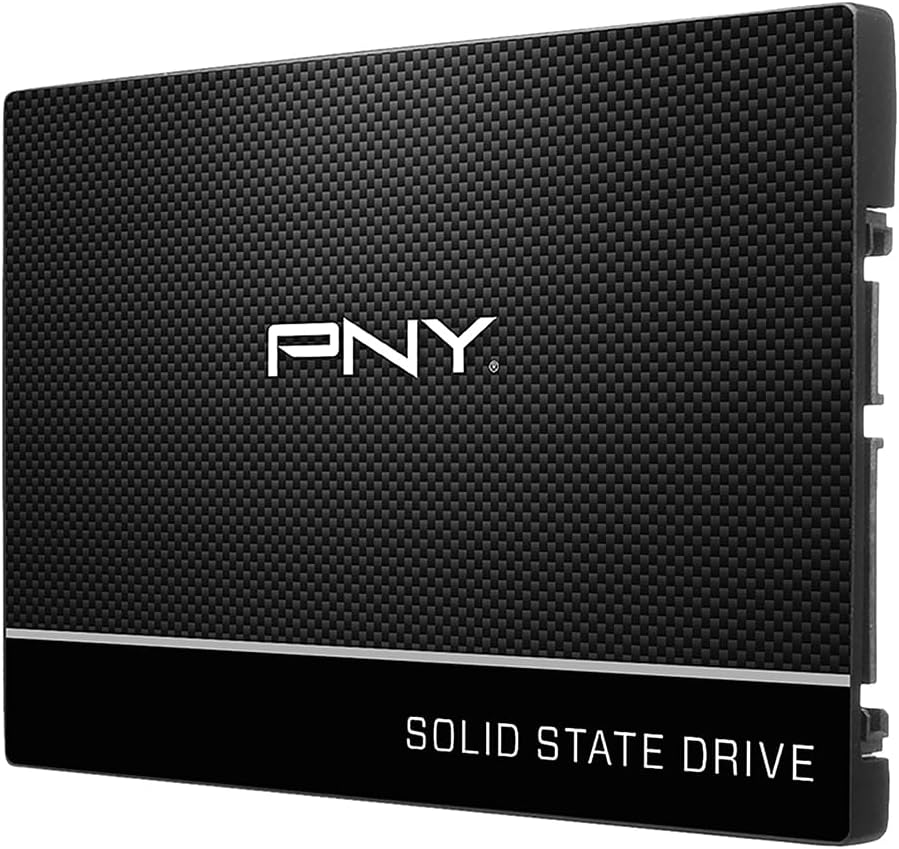
5. PNY CS900 500GB - Best Budget SATA Workhorse

PNY CS900 500GB

PNY CS900 500GB

9.4/10★★★★★

PNY’s CS900 500GB is the budget SATA workhorse for builders who want the classic 2.5-inch upgrade path without overthinking Gen4 marketing. Exceptional performance versus traditional hard drives is the entire pitch, and it remains valid: sequential reads up to 550 MB/s and writes up to 500 MB/s erase the seek-time tax that makes old notebooks feel broken. Boot times and application loads improve immediately once the OS lives on NAND instead of platters.

  • 2.5-inch SATA III 3D NAND SSD
  • Up to 550/500 MB/s read/write
  • Low power; SATA II backward compatible
Check Price →
✓ Pros
  • Up to 550 MB/s read and 500 MB/s write for a crisp HDD-to-SSD transformation
  • Ultra-low power consumption messaging suits aging laptops on weaker batteries
  • Backward compatible with SATA II 3Gb/s hosts when Gen3 ports are unavailable
  • Strong 4.7 rating for a no-drama 2.5-inch internal upgrade
  • 3D NAND CS900 lineage is a familiar value play for secondary OS or storage volumes
✕ Cons
  • Still capped by SATA—will not match Gen4 NVMe sticks for large sequential installs
  • Budget controller designs can show cache cliffs on very long writes
  • Competes closely with Crucial BX500; brand preference may decide the tie

Detailed review

Low power consumption is more than a bullet—it is why CS900-class drives remain popular in aging Ultrabooks and small-form-factor PCs that already struggle with battery health. Replacing an HDD often cools the chassis and extends unplugged runtime because the drive no longer spins. Backward compatibility with SATA II 3Gb/s also matters for legacy desktops: you may not hit the full SATA III ceiling, but you still escape mechanical latency.

Against the Crucial BX500, the CS900 is a peer rather than a distant rival. Both target the same bay, similar sequential numbers, and the same buyer. Crucial currently carries the higher pack rating and our overall badge; PNY remains a sensible alternative when availability, bundling, or preference for the CS900 series tips the scale. Either way, plan 500GB as a curated volume with room for updates.

Real-world use cases include office PC refreshes, living-room HTPC quiet upgrades, and secondary game libraries beside a faster NVMe boot drive. The CS900 will not accelerate DirectStorage titles the way a Gen4 stick can, but it will make Steam downloads finish onto a responsive volume and keep recorders or media apps from stuttering on a dying HDD.

Installation mirrors any 2.5-inch SATA SSD: clone or clean install, confirm AHCI, enable Trim. On desktops, cable management and a tidy bay screw save you from vibration rattles that people sometimes blame on the drive. On laptops, verify caddy thickness and that optical-bay adapters—if used—are quality units with proper SATA alignment.

Buy the PNY CS900 500GB when you want a proven, low-power SATA III internal that still posts competitive 550/500 MB/s class numbers. Skip it if Crucial’s BX500 is the same price with better availability for you, or if your machine has M.2 Gen4 waiting. As a budget SATA workhorse, it remains a reliable path out of hard-disk purgatory.

Legacy host tip

If your desktop only offers SATA II, still upgrade—just expect a lower link ceiling. The responsiveness win over HDD remains large even when sequential peaks are capped.

Versus Crucial BX500

Choose BX500 for our overall SATA badge and slightly stronger pack rating. Choose CS900 when PNY availability or bundle kits make the upgrade simpler this week.

Best secondary-drive role

Excellent as a quiet media or games library beside a Gen4 NVMe boot stick, keeping write wear and bulk downloads off your primary volume.

Check Price on Amazon →

We may earn a commission at no additional cost to you.

6. WD Blue SA510 500GB - Best Mainstream Brand SATA

WD Blue SA510 500GB

WD Blue SA510 500GB

8.8/10★★★★☆

Western Digital’s WD Blue SA510 500GB is the mainstream-brand SATA pick for buyers who standardize on WD Blue across PCs. SATA III 6 Gb/s in a 2.5-inch/7mm chassis with reads up to 560 MB/s matches what you want from a Blue-series everyday SSD: laptop-friendly height, familiar naming, and sequential performance at the SATA ceiling. Half a terabyte remains a natural Blue capacity for OS upgrades and light creative libraries.

  • SATA III 6 Gb/s 2.5"/7mm SSD
  • Up to 560 MB/s sequential reads
  • WD Blue mainstream internal lineup
Check Price →
✓ Pros
  • WD Blue branding with a clear SATA III 6 Gb/s 2.5-inch/7mm fit for slim bays
  • Up to 560 MB/s reads sit at the top of practical SATA sequential performance
  • Mainstream lineup familiarity helps with Acronis/WD toolkit ecosystems many users already know
  • 7mm height suits modern laptop caddies without bulky adapters
  • Solid choice when you specifically want Western Digital’s Blue series for an internal upgrade
✕ Cons
  • Pack rating sits below Crucial BX500 and PNY CS900 for the same SATA role
  • Write-speed suffix on some title strings is truncated—verify full specs on the live listing
  • Still SATA-limited versus every NVMe option in this roundup

Detailed review

Brand ecosystems matter to some households more than peak charts. If you already use WD Dashboard-class tools, external WD drives, or trust Blue spinning disks in a NAS, keeping the internal SSD in the same family simplifies mental inventory. The SA510 will not invent new interfaces; it executes the classic SATA upgrade well when you accept that NVMe lives in a different slot.

Compared with Crucial BX500, WD Blue trades a lower pack rating for brand continuity and a prominently stated 560 MB/s read figure with 7mm guidance. Compared with Fikwot or fanxiang SATA options, you are paying for Western Digital’s mainstream retail presence and the expectation of consistent packaging and tooling. None of these SATA drives escape the interface ceiling; the differences are trust, availability, and fine print.

Use cases include corporate-refresh style laptop swaps, quiet HTPCs, and builders who want a WD-labeled secondary beside a flashier NVMe boot drive. Keep capacity hygiene in mind: Windows growth, hibernation files, and game launchers will consume a 500GB Blue faster than nostalgia suggests. Pair with cloud or portable archive habits.

Install like any 7mm 2.5-inch SSD. On older caddies that expect 9.5mm drives, use the correct spacer if required. Clone with WD’s recommended software when available, or use a universal imaging tool. Confirm Trim and AHCI afterward so the SA510 stays healthy.

Buy the WD Blue SA510 500GB when you specifically want Western Digital’s mainstream SATA SSD with up to 560 MB/s reads in a slim 7mm bay. Skip it if Crucial’s higher-rated BX500 is readily available for the same role, or if your machine can take a Kingston NV3 instead. As a brand-loyal SATA pick, it is the Blue-shaped answer in this pack.

Who should buy WD Blue SA510

Households and small offices already invested in Western Digital tools and naming, plus anyone whose laptop caddy explicitly wants a 7mm 2.5-inch SATA SSD.

Rating context

The 4.4 pack rating is still solid, but Crucial’s 4.8 overall SATA badge reflects broader reviewer enthusiasm. Let brand preference and live availability break the tie.

Versus Fikwot FS810

WD Blue offers mainstream retail familiarity; Fikwot leans value TLC messaging and a slightly different feature story. Both remain SATA-class upgrades.

Check Price on Amazon →

We may earn a commission at no additional cost to you.

7. SSK Portable SSD 500GB - Best Cross-Device Portable

SSK Portable SSD 500GB

SSK Portable SSD 500GB

9/10★★★★★

SSK’s Portable SSD 500GB is the cross-device shuttle in this pack: a USB 3.2 Gen2 external aimed at Windows, Mac, Android, tablets, and recent iPhone Pro models that can record ProRes to external storage. Reads up to 1050 MB/s and writes up to 1000 MB/s put it in the same headline class as the SANDISK Extreme, but the accessory story differs—SSK ships USB-C and USB-A cables so you are less likely to strand the drive on an older laptop port.

  • USB 3.2 Gen2 portable up to 1050 MB/s
  • USB-C & USB-A cables included
  • Aluminum body; iPhone ProRes friendly
Check Price →
✓ Pros
  • Up to 1050 MB/s read and 1000 MB/s write over USB 3.2 Gen2 for fast offloads
  • Includes both USB-C and USB-A cables for mixed device households
  • Framed for iPhone 15/16/17 Pro 4K ProRes capture with low power draw
  • Aluminum alloy case aids heat shedding during long transfers
  • S.M.A.R.T. monitoring and TRIM messaging for healthier long-term portable use
✕ Cons
  • Windows may report ~465GB usable due to GB vs GiB math—not a defective drive
  • Lacks the IP65 sealed rugged story of the SANDISK Extreme Portable
  • Sustained peaks depend on SLC cache behavior and host port quality

Detailed review

Phone-first creators should read the power and ProRes notes carefully. SSK calls out 4K60Hz ProRes HDR capture scenarios for compatible iPhones with power consumption under 2.4 watts, which is the difference between a drive that works on bus power and one that needs babysitting. Always confirm your exact iPhone model, iOS version, and cable path; not every adapter chain preserves the bandwidth ProRes wants.

Thermals and cache behavior get unusually specific attention in the listing. A 2mm-thick aluminum alloy case targets heat dissipation, with case temperature peaks cited around 105.58°F in SSK’s framing—warm to the touch is normal, alarming hot is not. SLC caching allocates a portion of free capacity for high-speed bursts, with steadier 10Gbps behavior called out for transfers under roughly 150GB when cache is healthy. That is a reminder to keep free space on a 500GB portable if you want bursts to stay bursty.

Capacity display quirks deserve a calm explanation. Windows often shows around 465GB for a 500GB SSD because of binary versus decimal gigabyte math; macOS typically reports closer to the decimal marketing number. This is not unique to SSK and does not mean you were shorted tens of gigabytes of NAND. Plan projects using the OS-reported free space.

Compared with SANDISK Extreme, choose SSK when dual cables, aluminum thermals, and iPhone ProRes workflows dominate your week. Choose Extreme when IP65 weather sealing, drop ratings, and AES hardware encryption dominate. Both can serve as edit shuttles; neither replaces a 3-2-1 backup plan.

Buy the SSK Portable 500GB when you bounce files across phones, tablets, and PCs and want USB 3.2 Gen2 speed in a tiny 36.6g-class chassis. Skip it if you need sealed rugged IP65 protection as a primary feature, or if you only need an internal boot SSD. As the cross-device portable pick, it is the cable-ready companion in this pack.

iPhone ProRes checklist

Use a direct, quality USB-C path, format the volume as the phone expects, and test a short recording before a paid shoot. Bus power and adapter quality matter as much as the SSD brand.

Keeping cache healthy

Leave free space so SLC cache can allocate. Huge back-to-back transfers on a nearly full 500GB portable are how people invent “it got slow” reviews.

Versus SANDISK Extreme Portable

SSK wins on dual-cable convenience and phone-capture framing. Extreme wins on IP65, drop protection, and hardware encryption for harsher environments.

Check Price on Amazon →

We may earn a commission at no additional cost to you.

8. fanxiang S690Q 500GB - Best PS5-Friendly Budget Gen4

fanxiang S690Q 500GB

fanxiang S690Q 500GB

8.8/10★★★★☆

fanxiang’s S690Q 500GB is the PS5-friendly budget Gen4 option when you want console-class expansion without paying flagship sequential premiums. PCIe Gen4 x4 with NVMe 1.4 and speeds reaching 4700 MB/s clears Sony’s practical performance expectations for expanded storage while remaining useful in PCs and laptops. At 500GB you are buying a fast slice for a handful of large titles or a compact PC boot drive, not an entire generation’s game catalog.

  • PCIe Gen4 x4 NVMe 1.4 M.2 SSD
  • Up to 4700 MB/s; PS5-oriented
  • Graphene heat sticker; SLC cache
Check Price →
✓ Pros
  • PCIe Gen4 x4 with up to 4700 MB/s aimed at swift PS5 and PC game launches
  • Graphene heat dissipation sticker included for lower operating temperatures under load
  • SLC cache architecture supports bursty gaming installs and load spikes
  • Works across PS5 expansion, desktops, and laptops with broad compatibility messaging
  • Five-year after-sales service claim plus lifetime technical support framing from fanxiang
✕ Cons
  • Sequential ceiling sits below Kingston NV3 and SANDISK Optimus 5100 in this pack
  • 500GB fills quickly with modern console titles—expect curation or a larger sibling later
  • Value-brand NVMe firmware maturity varies; keep backups regardless of warranty length

Detailed review

The graphene heat dissipation sticker is the feature that makes this listing console-relevant. PS5 expansion bays are thermally tight; a sticker is not a full copper heatsink, but it is better than a bare stick with no thermal plan. Desktop users can still add a chassis heatsink if clearance allows. The point is that fanxiang acknowledges sustained Gen4 heat instead of pretending M.2 modules run cold forever.

SLC cache and 3D NAND messaging target gaming workloads: bursty downloads, patch nights, and level loads. Cache helps those spikes feel snappy; filling the drive to the brim undermines that behavior. Keep free space, move finished single-player campaigns off the console’s expanded volume when you can, and remember that 500GB of marketing capacity is less than 500GB of installable games after formatting overhead.

Versus Kingston NV3, the S690Q trades some sequential headroom and brand mainstreaming for PS5-oriented thermal accessories and aggressive value positioning. Versus Optimus 5100, it is less of a creator sequential monster and more of a gaming expander. PC builders who already own a quality heatsink may prefer Kingston’s everyday Gen4 story; console expanders who want the sticker in-box may prefer fanxiang.

Warranty framing includes five years of after-sales service and lifetime technical support in the listing—useful, but never a substitute for backups. Value NVMe brands improve constantly, yet game saves and photo libraries still deserve redundancy. Register the product if guided, keep your receipt, and clone critical PC data before experimenting with firmware utilities.

Buy the fanxiang S690Q 500GB when you need a budget Gen4 internal with PS5-conscious thermals and ~4700 MB/s class speed. Skip it if you want the pack’s highest sequential internals, if you only have SATA, or if 500GB is obviously too small for your console library ambitions. As a PS5-friendly budget Gen4, it is the expander for curated game shortlists.

PS5 install notes

Follow Sony’s official SSD installation guide for heatsink thickness and supported formats. The graphene sticker helps, but console requirements still govern what fits under the cover.

Capacity planning for consoles

Modern titles can exceed 100GB each. Treat 500GB as four to eight active games depending on size, not an infinite vault.

Versus Kingston NV3

Pick S690Q for PS5-oriented thermal accessories and value Gen4 gaming. Pick NV3 for a more mainstream everyday Gen4 laptop/desktop story with higher advertised reads.

Check Price on Amazon →

We may earn a commission at no additional cost to you.

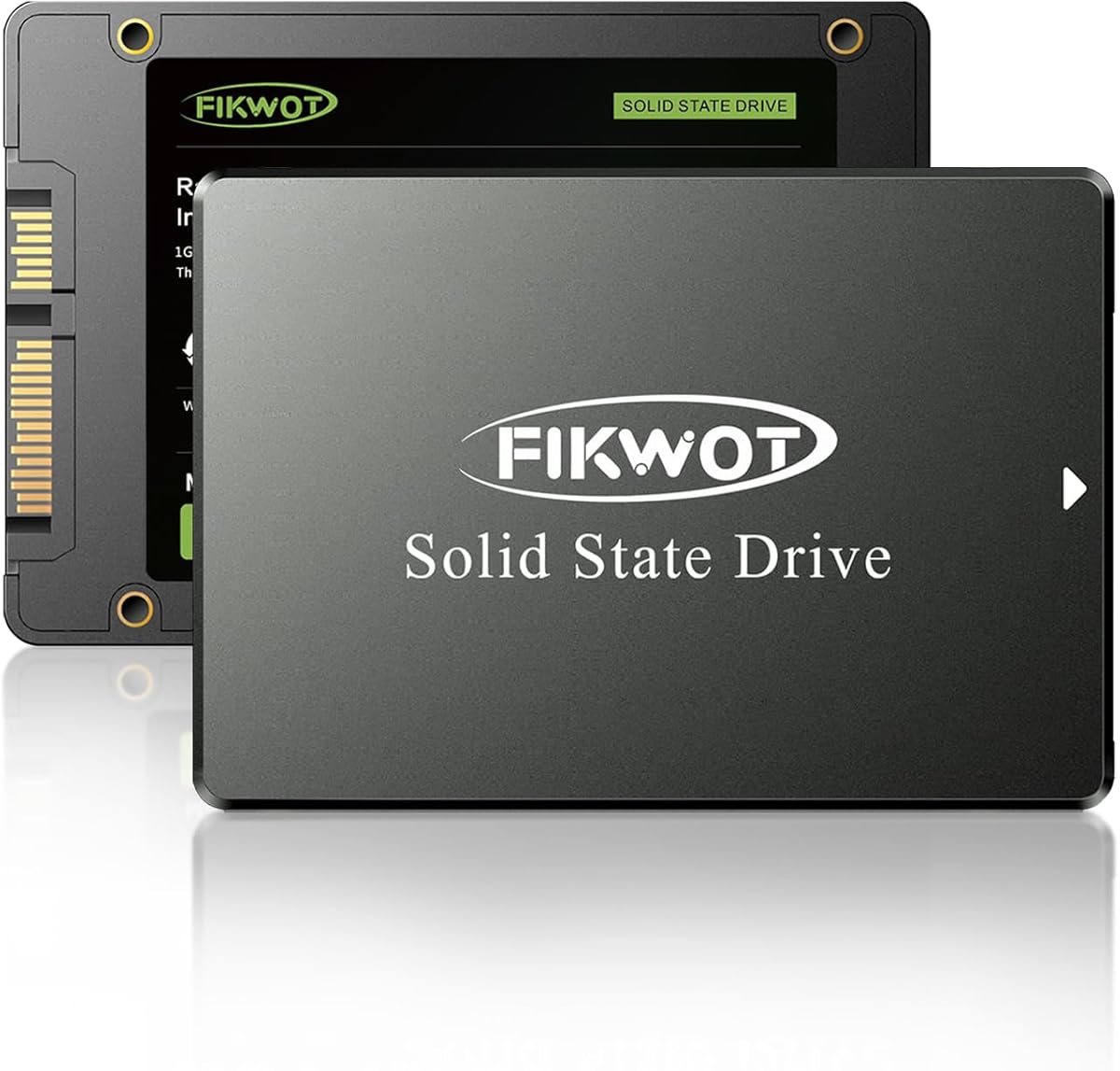
9. Fikwot FS810 500GB - Best Value TLC SATA

Fikwot FS810 500GB

Fikwot FS810 500GB

9/10★★★★★

Fikwot’s FS810 500GB targets the value TLC SATA buyer: a black 2.5-inch SATA III 6Gb/s drive with reads up to 560 MB/s and explicit 3D NAND TLC flash messaging. That TLC callout is the editorial reason it earns a distinct badge. In a capacity class crowded with QLC-friendly cost cutting, TLC often ages more gracefully under write-heavy office and light creative use—especially when the drive is a secondary volume that absorbs downloads and scratch-ish folders.

  • 2.5" SATA III 6Gb/s internal SSD
  • Up to 560 MB/s reads; 3D NAND TLC
  • Windows, macOS, Linux compatibility
Check Price →
✓ Pros
  • Up to 560 MB/s reads on SATA III for a sharp HDD replacement experience
  • 3D NAND TLC messaging emphasizes write longevity versus cheaper QLC alternatives
  • Broad OS compatibility claims across Windows, macOS, and Linux generations
  • Backward compatible with older SATA revisions for legacy desktops
  • Three-year service framing with value-focused testing claims from Fikwot
✕ Cons
  • Value-brand retail presence is thinner than Crucial or WD Blue for some buyers
  • Still SATA-bound—cannot replace Gen4 NVMe for large sequential creative pipelines
  • Sustained write behavior still depends on cache and free space like other budget SATA SSDs

Detailed review

As an easy upgrade path, the FS810 replaces mechanical drives for faster startup, application loading, and snappier responsiveness. That is the same story every good SATA SSD tells, and it remains the highest-ROI PC tweak for HDD machines. Desktops and laptops both fit the 2.5-inch pattern; confirm bay screws and cable reach on odd small-form-factor cases.

Compatibility bullets span Windows 10/8.1/8/7, macOS 10.4 or later, and Linux 2.6.33 or later, with SATA Rev. 3.0 backward compatible to Rev. 2.0. Realistically, modern OS versions are what you should run for security, but the wide claim reassures owners of older lab machines and spare PCs. Trim support and AHCI mode still matter more than the logo on the carton.

Versus PNY CS900 and Crucial BX500, Fikwot competes on TLC positioning and value packaging rather than mainstream brand gravity. If you prioritize Micron or WD retail comfort, choose those. If you prioritize an explicit TLC story at 500GB SATA, FS810 is the pack’s clearest value-TLC narrative.

Three-year service and “tested countless times” language is typical for value SSD listings—treat it as a warranty window, not immortality. Image your OS, keep file backups, and do not use any single 500GB stick as the only copy of irreplaceable data.

Buy the Fikwot FS810 500GB when you want a TLC-forward SATA III internal at half a terabyte for desktops and laptops. Skip it if you prefer Crucial’s higher overall rating or if NVMe is available in your chassis. As the value TLC SATA pick, it is the write-longevity-minded 2.5-inch option here.

Why TLC messaging matters at 500GB

Smaller SSDs have less spare area to hide write amplification. TLC’s generally stronger endurance profile versus QLC is especially welcome when capacity is modest and free space is precious.

Versus fanxiang S101

Both are value SATA internals with TLC-oriented stories. FS810 leads on the 560 MB/s read claim; S101 emphasizes a clean 500 MB/s class everyday upgrade with three-year assurance.

Clone checklist

Clone sector-by-sector only when needed; otherwise use OS-aware tools, verify the first boot, and keep the old drive untouched until you confirm files and activations survived.

Check Price on Amazon →

We may earn a commission at no additional cost to you.

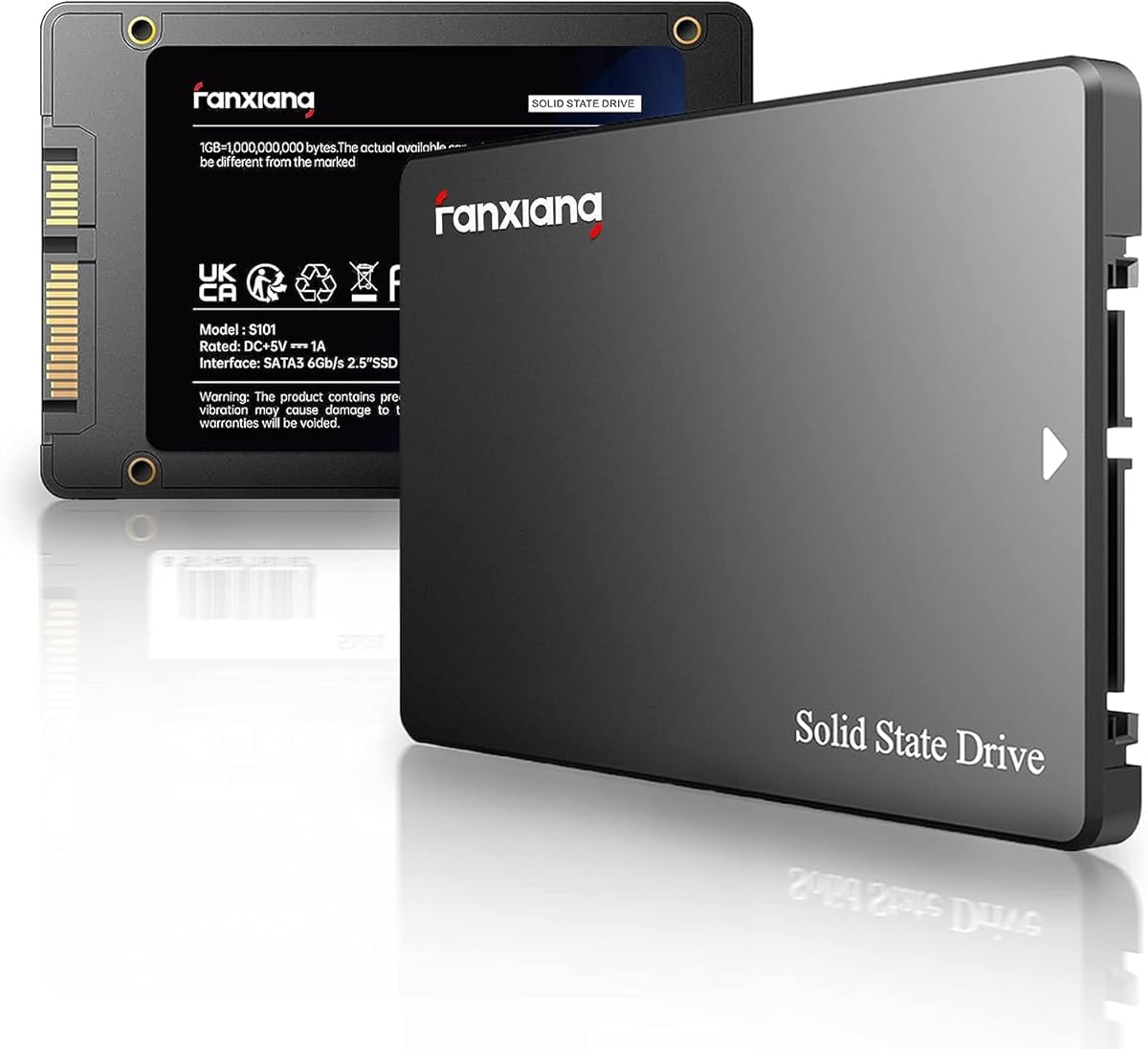
10. fanxiang S101 500GB - Best Simple Laptop SATA Swap

fanxiang S101 500GB

fanxiang S101 500GB

9/10★★★★★

fanxiang’s S101 500GB is the simple laptop SATA swap: a black 2.5-inch SATA III 6Gb/s internal with read speeds up to 500 MB/s and a TLC-focused durability story. It will not win a sequential arms race against the PNY CS900’s 550 MB/s claim or WD Blue’s 560 MB/s read figure, but the human experience of leaving an HDD behind is nearly identical across this SATA cluster. Boots feel immediate; apps stop hitching on platter seeks.

  • 2.5" SATA III 6Gb/s internal SSD
  • Up to 500 MB/s read/write class
  • 3D NAND TLC; laptop & desktop fit
Check Price →
✓ Pros
  • Straightforward 500 MB/s class SATA speeds that still crush mechanical hard drives
  • 3D NAND TLC chips called out for longer write lifespan versus QLC alternatives
  • Compatible with desktops, laptops, and all-in-ones across Windows, Linux, and Mac OS
  • Claims boots at least 50% faster than HDDs for instant productivity sessions
  • Three-year quality assurance framing for a simple black 2.5-inch upgrade
✕ Cons
  • Peak sequential claims sit a step under 550–560 MB/s SATA rivals in this pack
  • Value-brand ecosystem is lighter than Crucial or WD for some institutional buyers
  • Not suitable when you need Gen4 NVMe or USB portable form factors

Detailed review

The listing’s “at least 50% faster boots than HDDs” framing is conservative compared with many real upgrades, which often feel several times snappier depending on the dying disk you replace. Treat it as directional. The more important durability note is 3D NAND TLC versus QLC for write lifespan—valuable on a 500GB volume that may absorb constant downloads and temp files if you are not careful with free space.

Compatibility spans desktops, laptops, and all-in-ones with Windows, Linux, and Mac OS support called out. That breadth matches the FS810’s value positioning and makes S101 a spare-parts-bin friendly drive for households with mixed machines. Always check physical bay access on glued ultrabooks; some “laptops” are not user-upgradable regardless of SSD quality.

Versus fanxiang’s own S690Q NVMe sibling, the S101 exists for chassis that lack M.2 or for buyers who want the cheapest honest path to silence and speed. Versus Crucial BX500, S101 is the value alternative when you accept a slightly lower sequential ceiling for TLC messaging and fanxiang’s three-year assurance.

Use it as an OS drive for light productivity, a secondary games library, or a quiet upgrade inside an all-in-one that still exposes a 2.5-inch bay. Keep backups. Clone carefully. Leave free space. Those habits matter more than the last 50 MB/s of SATA marketing.

Buy the fanxiang S101 500GB when you want a simple, TLC-oriented SATA III laptop/desktop swap at half a terabyte without chasing peak SATA charts. Skip it if Crucial BX500 or WD Blue better match your brand comfort, or if your machine can take the S690Q Gen4 module instead. As the simple SATA swap pick, it is the uncomplicated closer of this internal list.

When 500 MB/s is enough

If you are coming from any HDD, 500 MB/s class SATA already transforms daily use. Obsessing over 560 versus 500 MB/s rarely changes how typing and browsing feel.

Versus Fikwot FS810

FS810 advertises up to 560 MB/s reads; S101 sits at 500 MB/s class with a similar TLC value story. Pick based on live availability, warranty comfort, and price—not a 60 MB/s paper gap.

All-in-one caution

Some all-in-ones make drive access painful. Verify service manuals and screw types before you buy any 2.5-inch SSD for a sealed consumer AIOs.

Check Price on Amazon →

We may earn a commission at no additional cost to you.

Best 500GB SSDs 2026 for Upgrades, Gen4 NVMe, and Portables

How to Choose a 500GB SSD in 2026

Start with the slot you actually have

Form factor decides the shortlist before brand loyalty does. A free M.2 2280 NVMe slot that speaks PCIe 4.0 opens the Kingston NV3, SANDISK Optimus 5100, and fanxiang S690Q. A 2.5-inch SATA bay points to Crucial BX500, PNY CS900, WD Blue SA510, Fikwot FS810, or fanxiang S101. If the storage must leave the computer, you are shopping the SSK and SANDISK Extreme portables instead. Buying the wrong interface is the most expensive way to save five minutes of research.

Match sequential needs to real workloads

SATA’s ~550 MB/s class ceiling is transformative versus hard disks and still fine for office boots, browsing, and modest photo libraries. Gen4 NVMe’s multi-gigabyte sequential peaks matter more when you clone drives overnight, install 100GB+ games often, or move 4K media folders between scratch locations. Portables in the ~1050 MB/s USB 3.2 Gen2 class sit between those worlds for offloads—but only when the host port cooperates.

TLC, QLC, and cache behavior

At 500GB, NAND type and cache policy punch above their usual weight because spare area is limited. TLC-oriented SATA options like Fikwot FS810 and fanxiang S101 are attractive when the drive will see steady writes. QLC-based Gen4 creator sticks like the Optimus 5100 can feel excellent on reads and bursts yet deserve disciplined offloading for heavy scratch use. SLC cache makes benchmarks soar until free space shrinks—plan capacity with that cliff in mind.

Thermals, power, and console rules

Laptops care about power draw; consoles care about heatsink thickness; desktops care about GPU-blocked M.2 slots. Kingston’s low-power Gen4 framing, fanxiang’s graphene sticker, and SANDISK Extreme’s sealed chassis each solve a different thermal or environmental problem. Read your laptop service manual, PS5 support page, or motherboard M.2 clearance chart before you chase peak megabytes.

Software, encryption, and migration

Dashboard apps, cloning tools, and hardware encryption change ownership experience. SANDISK Dashboard and Memory Zone, phone-oriented portable kits, and AES on the Extreme Portable are not fluff if you actually use them. For internals, rehearse the clone: AHCI mode, Trim, Secure Boot quirks, and a verification reboot while the old drive is still intact.

Frequently Asked Questions

01

Is 500GB enough for a Windows boot drive in 2026?

Yes—for a curated setup. Windows, browsers, office apps, and a modest project or game set fit comfortably if you avoid packing the drive to the brim. Modern AAA titles and raw video will fill 500GB quickly, so many people pair a 500GB boot SSD with a larger secondary or portable archive. Leave free space for updates and pagefile growth.

02

Should I buy SATA or NVMe at 500GB?

Buy the interface your machine supports. NVMe Gen4 sticks like the Kingston NV3 or SANDISK Optimus 5100 are dramatically faster for large installs when you have an M.2 slot. SATA drives like the Crucial BX500 remain the correct upgrade for 2.5-inch bays and still feel transformative versus hard disks. An NVMe drive does nothing helpful sitting in a shopping cart while your laptop only has SATA.

03

Can I use these Gen4 SSDs in a PlayStation 5?

Many PCIe Gen4 M.2 drives can expand PS5 storage when they meet Sony’s speed and heatsink requirements. The fanxiang S690Q is explicitly framed for PS5 use with a graphene thermal sticker, while Kingston NV3 and Optimus 5100-class Gen4 drives are commonly considered for console expansion with compatible heatsinks. Always follow Sony’s official guide for thickness, installation, and formatting.

04

Why does Windows show less than 500GB?

Operating systems often report capacity using binary gibibytes while manufacturers market decimal gigabytes. A 500GB SSD commonly appears near 465GB in Windows. macOS may display a number closer to the marketing capacity. This math difference is normal and appears across brands, including the SSK portable’s own capacity reminder.

05

Are portable SSDs as fast as internal NVMe drives?

Not usually at the top end. Internal Gen4 NVMe can reach multi-thousand MB/s inside the PCIe bus, while USB 3.2 Gen2 portables in this pack peak around 1050 MB/s by design. Portables win on mobility, phone connectivity, and rugged features; internals win on raw boot and install speed. Choose based on whether the drive must leave the chassis.

06

What is the difference between TLC and QLC for a 500GB SSD?

TLC stores three bits per cell and is often preferred for write endurance on smaller drives; QLC stores four bits and helps densify capacity, sometimes with stronger reliance on SLC caching for peak speeds. In this pack, several SATA value drives emphasize TLC, while the SANDISK Optimus 5100 line highlights BiCS QLC for creator-oriented Gen4 storage. Heavy sustained writers should favor TLC or larger capacities with more spare area.

07

Do I need a heatsink for a 500GB Gen4 SSD?

Desktops with cramped M.2 slots under GPUs and PS5 consoles benefit most from heatsinks or included thermal pads/stickers. Many laptops rely on chassis shields instead. The fanxiang S690Q includes a graphene sticker for a reason; other Gen4 sticks still appreciate airflow. If your motherboard already has an M.2 armor plate, use it.

08

Is the SANDISK Extreme Portable “Old Model” still worth buying?

It can be, if the listing’s speed, IP65 rating, encryption, and firmware notes match your needs. “Old Model” means you should compare the chassis and accessories against newer Extreme revisions, not that the drive is automatically obsolete. For rugged travel with AES encryption, this pack’s Extreme remains a strong portable pick when the live page confirms the SKU you expect.

09

Can I clone my hard drive directly to a 500GB SSD?

Yes if the used data on the source fits the SSD’s usable capacity. Shrink partitions first if your HDD is larger but mostly empty. Use reliable cloning software, boot once to verify, and keep the old drive untouched until you confirm licenses and files survived. Clean installs are cleaner when the old disk is a mess of years-old clutter.

10

Which 500GB SSD is best overall in this roundup?

For most internal SATA upgrades, choose the Crucial BX500 500GB. For everyday Gen4 NVMe in modern slots, choose the Kingston NV3 500GB. For rugged encrypted travel, choose the SANDISK Extreme Portable 500GB. Creators who want the highest internal sequential claim should look at the SANDISK Optimus 5100, and PS5 expanders on a budget should shortlist the fanxiang S690Q with a proper heatsink plan.

Conclusion

The best 500GB SSD in 2026 is the one that matches your bay, your port, and your tolerance for curation. Crucial’s BX500 remains the safest overall SATA answer for laptops and desktops still living in 2.5-inch land, while Kingston’s NV3 brings honest Gen4 everyday speed to M.2 machines that would waste a portable’s talents inside a closed chassis. Creators who feel sequential ceilings should step to the SANDISK Optimus 5100; travelers who fear weather and pocket drops should clip on the Extreme Portable.

The rest of the pack fills real niches rather than fake trophy shelves: PNY and WD Blue for familiar SATA alternatives, Fikwot and fanxiang S101 for TLC-minded value swaps, SSK for dual-cable phone-and-tablet shuttles, and fanxiang S690Q for PS5-conscious budget Gen4 expansion. Ignore dollar noise on any single day and compare interface, thermals, and NAND honesty instead.

Pick one primary role for your half-terabyte—boot, games slice, or travel shuttle—leave free space, and keep a backup. Do that, and any drive in this roundup can feel like the upgrade that finally made the machine quiet and quick again.