Start with connection reality, not marketing photos
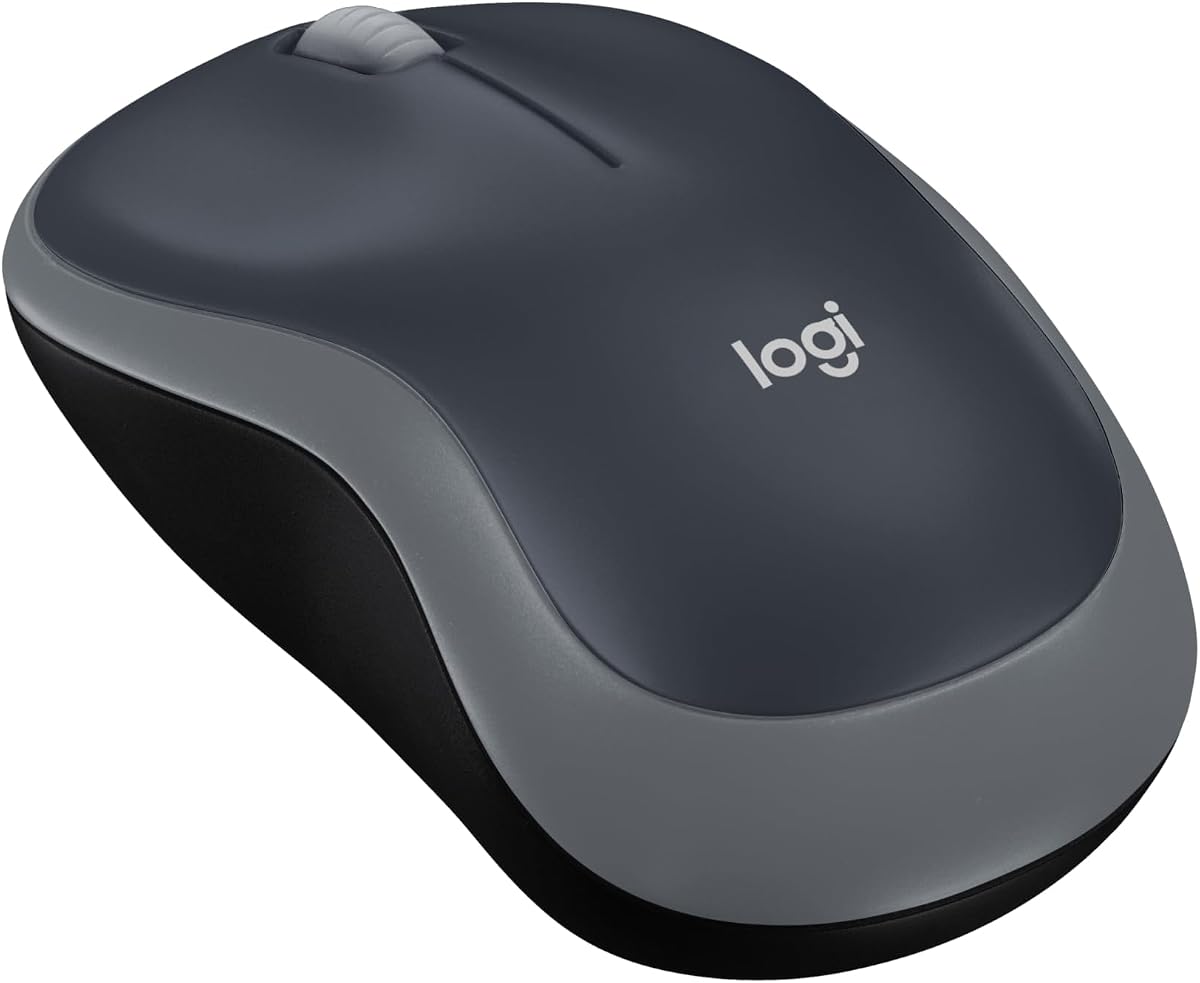
Your laptop’s ports decide half the shortlist. USB-C-only ultrabooks favor Bluetooth mice such as SUNGI, WL300, Dell MS700, and Lenovo WL310. Machines with USB-A—or a tiny hub you already carry—can use nano-receiver classics like Logitech M185, VssoPlor, and TECKNET. Dual-mode designs such as Afaartcci, DELUX MF20, and the arc tri-mode mouse cover mixed weeks when one machine blocks Bluetooth and another lacks spare ports.
Also check policy. Some corporate images disable Bluetooth peripherals. A beautiful silent Bluetooth mouse is useless if security software rejects it. In that case, a nano USB mouse that IT already understands can be the only path.
Optimize for packed volume and protection
Travel mice earn space by disappearing. Sliding pocket bodies (DELUX), folding hinges (TECKNET), arc snaps, and Dell’s twist-stow all attack bulk differently. Classic compact shells like M185 and Lenovo WL310 pack easily without mechanisms. Ask whether you need jeans-pocket survival or just “fits beside the laptop.” Mechanisms add failure points; solid compacts add a few millimeters. Match the mechanism to how aggressively you pack.
Treat silence as a first-class feature
If you work in cabins, shared rooms, or libraries, silent or quiet-click mice are not a luxury. WL300, Lenovo WL310, SUNGI, VssoPlor, DELUX, and the arc mouse all lean into lower noise. A louder classic like a standard office click may be fine in private hotel rooms and intolerable on a red-eye. Test click volume in a quiet room before your first trip if you are noise-sensitive.
Battery strategy: AA endurance versus USB-C top-ups
AA and AAA mice with long sleep timers—Logitech M185, WL300, TECKNET, Dell with included cells—win for set-and-forget seasons. Rechargeable slim mice—SUNGI, Afaartcci, DELUX, arc—win when you already charge a phone nightly and hate disposable cells abroad. Neither strategy is universally better. The wrong strategy is owning a rechargeable mouse and a cable you never pack.
DPI and buttons for real trip work
Most travelers live between 800 and 1600 DPI on laptop screens. Higher ceilings like 4000 DPI on Dell MS700 and DELUX MF20 help when you suddenly dock to a large monitor. Side buttons help Windows browser workflows on WL300-class mice but often disappoint on Mac. Do not buy six buttons for a trip that is mostly trackpad substitution on a MacBook—buy silence, Bluetooth, and comfort instead.
Surface and sensor expectations on the road
Hotel desks are inconsistent. Optical travel mice generally track on wood, paper, and fabric; glass and glossy resin still cause drama. A thin foldable mousepad weighs almost nothing and rescues bad surfaces. If you refuse a pad, prioritize mice that advertise broad surface tracking and keep expectations realistic on glass conference tables.