Bone conduction versus air conduction: pick your physics first
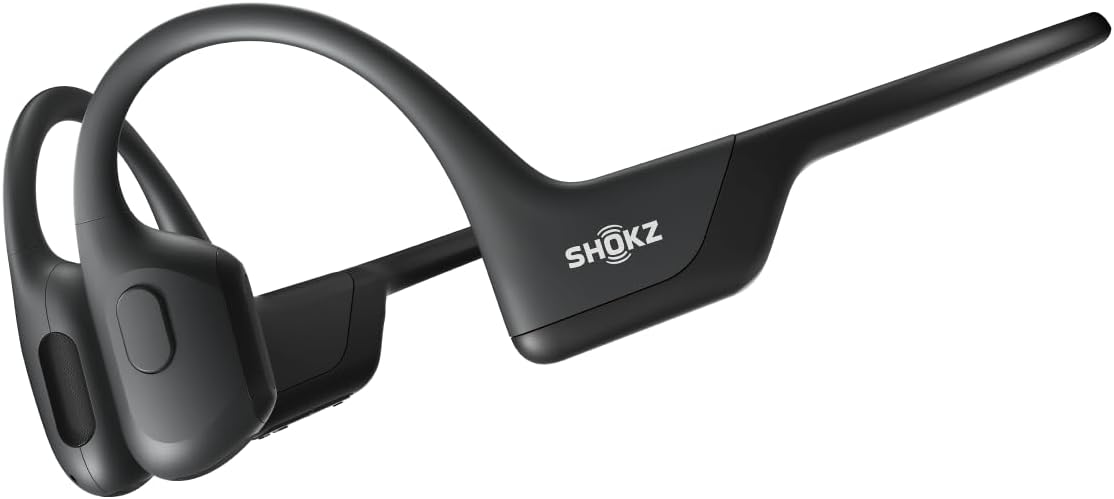
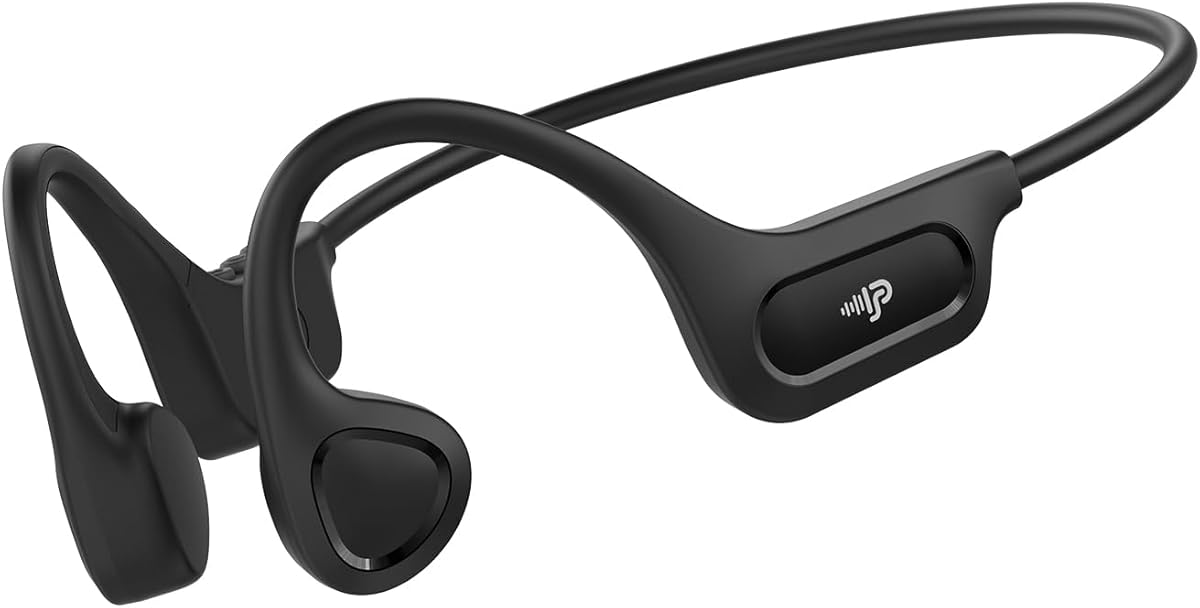
Open-ear headphones split into two families. Bone conduction bands—SHOKZ OpenRun Pro, PSIER, Raycon bone—vibrate through cheekbones while ear canals stay completely open. Air-conduction hooks and clip-ons—TRAUSI, X5S, OHAYO, Nothing, Baseus—use traditional drivers positioned near the ear without sealing the canal. Bone wins for maximum canal avoidance and medical sensitivity; air wins for richer musical detail and stronger perceived bass at similar awareness levels.
Many buyers try one family, feel vibration or fit discomfort, and wrongly conclude open-ear is not for them. If cheek tickle bothers you at high volume, switch to air hooks before abandoning awareness listening entirely. If hooks bounce loose during downhill runs, a titanium bone band may anchor better.
Hook, clip-on, and work headset silhouettes
Earhooks wrap cartilage like sport buds but stop short of insertion—TRAUSI, X5S, OHAYO, Raycon Essential, Nothing Ear (open). Clip-ons grip the pinna with cushioned rings—Baseus Inspire XC1. Work headsets like the dual-device open mic model prioritize mute buttons and laptop pairing over burpee stability. Match silhouette to primary activity: hooks for gym, clips for glasses-heavy office days, bone bands for outdoor miles, work headsets for Teams-heavy schedules.
Awareness, leakage, and volume etiquette
Open-ear exists so you hear traffic, colleagues, and kids while audio plays. That same openness leaks sound to nearby people when volume creeps high. Directional transmission on X5S and isolation systems on Nothing Ear (open) mitigate spill but do not eliminate it. Moderate volume in open offices is non-negotiable unless you enjoy side-eye from desk neighbors.
Do not expect subway isolation without sealed tips or ANC. Open headphones complement situational safety; they do not replace focus tools for noisy flights.
Battery claims and real-week math
Manufacturers sum bud plus case hours—eighty from TRAUSI, forty from X5S and Baseus, thirty from Nothing. Bone bands report single-charge hours—ten to thirteen—without pocket cases. Real weeks depend on volume, codec bitrate, and whether you drain buds before recharging case tops. LED and digital display cases on X5S and OHAYO reduce anxiety more than marginal hour differences under ten percent.
Ingress ratings: sweat, rain, and dust
IPX7 TRAUSI and IP7 X5S target heavy sweat and downpour confidence. IP68 Raycon bone leads bone models for rain rhetoric. IP66 Baseus adds dust resistance on trails. IP54 Nothing suits office commutes more than monsoon runs. IPX5 PSIER is fair-weather and gym-ready. Match rating to your worst regular environment, not best-case sunny jogs.
Calls, mics, and dual-device workflows
Open microphones hear the world. Dual-device pairing on the work headset and Nothing Ear (open) simplifies laptop-phone days. Four-mic AI on Baseus Inspire XC1 handles wind better than dual-mic budget hooks. One-touch mute exists only on the work-focused open headset in this pack—a feature worth prioritizing if you live on video calls.