Expert Review & Guide

Best Laptops for Photo Editing 2026: Color, RAM & Storage

Photo editing is unforgiving about three hardware truths: your display has to show believable color, your RAM has to keep catalogs and layers alive without thrashing, and your storage has to absorb RAW dumps without becoming a second job. In 2026 that still separates a laptop that merely opens Lightroom from one you can trust for client selects, wedding culls, and print-bound retouching. Brightness alone is not enough—gamut coverage, panel uniformity, and whether you can soft-proof with confidence matter more than a marketing refresh-rate number.

This roundup ranks machines from our current pack through that color-display, RAM, and storage lens. You will see a 16-inch OLED with claimed 100% DCI-P3 next to a Liquid Retina MacBook Air, a Copilot+ creator ultrabook with 32GB and a huge SSD, and a discrete-GPU gaming chassis that accelerates Denoise and AI masks even when its panel is more FHD+ speed than reference monitor. Budget and student options sit further down with honest notes about HD+ gamut limits and 8GB ceilings.

Every product below is taken only from the pack—ASINs, images, titles, and ratings unchanged. We do not invent prices. Match the configuration to your library size and color pipeline, then read the tradeoffs before you commit a catalog to one chassis.

Top photo editing laptop picks for color, memory, and RAW libraries

Best Color Display

ASUS Vivobook S 16

★★★★☆8.6/10
ASUS Vivobook S 16
  • 16" 3K OLED with 100% DCI-P3 coverage for skin tones and print-bound grades
  • 32GB DDR5 keeps Lightroom, Photoshop, and browser research fluid side by side
  • 1TB PCIe SSD plus Thunderbolt 4 for fast libraries and external archive drives
Check Price →

As an Amazon Associate we earn from qualifying purchases. We may earn a commission at no additional cost to you.

Photo editing laptop comparison: panels, memory, and drive space

Scan this table before the long reviews. Each row lists three photographer-first strings: how useful the screen is for judging color, how much RAM you get for catalogs and layers, and how much fast storage you have for RAWs and exports. No prices—use the deep dives for gamut caveats, discrete GPU wins, and when a big HD+ panel is the wrong trade.

#ProductSpecificationsScore
1
  • 16" 3K OLED, 100% DCI-P3, 120Hz, 400-nit creative canvas
  • 32GB DDR5 RAM for heavy Lightroom and Photoshop stacks
  • 1TB PCIe NVMe SSD; Intel Core Ultra 9 285H with Arc graphics
8.6
2
  • 13.6" Liquid Retina display with 1 billion color support
  • 16GB unified memory tuned for responsive photo apps
  • 512GB SSD; M5 chip with Neural Accelerators for AI edits
9.6
3
  • 14" FHD touchscreen for pinch-zoom selects and stylus retouch
  • 32GB LPDDR5X keeps catalogs, browsers, and AI tools open
  • 2TB-class PCIe SSD space for RAW libraries; Arc 140V graphics
9.6
4
  • 16" FHD+ 165Hz ACR film panel—fast, not a reference soft-proof
  • 16GB DDR5-5600; expand workflow with external drives if needed
  • 1TB Gen 4 SSD plus RTX 5060 for GPU-accelerated Denoise and export
9
5
  • 15.6" FHD anti-glare touchscreen for everyday photo review
  • Up to 40GB DDR4 RAM for huge catalogs and browser stacks
  • 2TB SSD plus 512GB docking-station storage set for archives
8.6
6
  • 15.6" FHD 250-nit anti-glare IPS for long cull sessions
  • 16GB DDR5 balanced for Lightroom Classic day jobs
  • 512GB SSD; Intel Core i7-1355U with Intel UHD Graphics
9
7
  • 14" FHD IPS panel for travel-friendly selects and edits
  • 16GB RAM configuration listed; listing notes higher RAM options
  • 1TB SSD with Intel Core 5 120U and Windows 11 Pro
8.8
8
  • 17.3" FHD IPS wide canvas for big-picture photo review
  • 8GB LPDDR5—fine for light edits, tight for big catalogs
  • 512GB SSD; Ryzen 3 30 with Radeon 610M for casual photo work
9
9
  • 15.6" FHD anti-glare screen for homework-level photo projects
  • 8GB DDR4 RAM limits concurrent catalogs and heavy layers
  • 256GB SSD—plan external storage for serious RAW seasons
8.4
10
  • 17.3" HD+ touch (1600x900, 60% NTSC)—size over color fidelity
  • Listing notes up to 16GB DDR4; treat memory as verify-before-buy
  • 128GB SSD base—external drive essentially required for RAWs
8.8

1. ASUS Vivobook S 16 - Best Color Display

ASUS Vivobook S 16

ASUS Vivobook S 16

8.6/10★★★★☆

If your buying criteria start with color display quality, the Vivobook S 16 is the clearest Windows answer in this pack. A 16-inch 3K OLED at 2880×1800 with claimed 100% DCI-P3 coverage is not the same product category as a bright FHD entertainment panel. Skin tones, deep greens in landscape work, and subtle highlight roll-off are easier to judge when the screen can actually reach the gamut your camera and export pipeline use. The 400-nit brightness and 120Hz refresh rate keep the canvas usable in normal indoor light while zooming and panning feel less sticky than on 60Hz office screens.

  • 16" 3K (2880×1800) OLED, 100% DCI-P3, 120Hz, 400 nits
  • 32GB DDR5 and 1TB PCIe NVMe SSD for catalogs and caches
  • Intel Core Ultra 9 285H with Intel Arc Graphics; Wi-Fi 7
Check Price →
✓ Pros
  • True creator panel story: 3K OLED with full DCI-P3 coverage
  • 32GB DDR5 is the right class for Lightroom Classic plus Photoshop
  • 1TB SSD and Thunderbolt 4 make local + external workflows sane
  • 120Hz smoothness helps scrub zooms and timeline-adjacent video stills
  • Slim creator chassis without forcing a thick gaming shell
✕ Cons
  • Listing notes the machine was resealed to upgrade the SSD—read warranty wording
  • Integrated Arc graphics trail a discrete RTX for heavy Denoise batches
  • OLED burn-in risk if you leave static Lightroom panels up for years

Detailed review

Memory and storage match the panel ambition. Thirty-two gigabytes of DDR5 is the practical floor many wedding and commercial photographers want once catalogs grow, smart previews accumulate, and Photoshop sits open with Frequency Separation or generative fill layers. One terabyte of PCIe NVMe storage is enough for an active season’s working set if you archive finished jobs to Thunderbolt or USB-C drives—exactly the kind of port set this machine ships with. Dual Thunderbolt 4 plus HDMI means you can park a calibrated desktop monitor beside the OLED when you need a second opinion before print.

Compute comes from an Intel Core Ultra 9 285H with integrated Arc graphics and an Intel AI Boost NPU rated up to 13 TOPS. That is not an RTX workstation, but it is a strong all-day creator CPU for culling, batch Develop adjustments, and 1080p-adjacent video stills. Photographers who live in Camera Raw, Capture One, or Affinity Photo will feel the Ultra 9 more in export queues and AI mask responsiveness than in synthetic benchmarks. The 75Wh battery claim of long runtimes matters if you edit on location after a shoot rather than only at a desk.

Build details support professional habits: MIL-STD-810H testing language, a 1080p IR webcam with privacy shutter for client calls, fingerprint login, and an RGB backlit keyboard for dark hotel rooms. Wi-Fi 7 helps when you are dumping cards to a NAS or uploading selects between coffee stops. None of that replaces a calibrated pipeline—you should still soft-proof and, for paid print work, verify critical jobs on a known monitor—but as a portable color canvas this is the pack’s standout.

Be clear-eyed about the listing disclosure: the computer is described as brand new but resealed to upgrade the SSD, with a one-year ASUS warranty on remaining components. That is common in Amazon creator configs; it is not a reason to skip the machine, but it is a reason to keep your invoice and confirm storage health on arrival with CrystalDiskInfo or the equivalent. Also plan OLED hygiene—auto-hide UI, vary wallpaper, and avoid parking the same Lightroom module chrome at full brightness for months.

Who should buy it: photographers and hybrid photo/video creators who want the best onboard color display in this set, enough RAM to stop babysitting Task Manager, and a terabyte of fast local space with easy external expansion. Who should look elsewhere: pure GPU batch processors who need an RTX 5060 more than DCI-P3, or travelers who insist on sub-three-pound 13-inch bags.

Color workflow notes for OLED editors

Set Lightroom and Photoshop to the appropriate RGB working space for your deliverables, enable soft proofing for print jobs, and consider a hardware calibrator even on a strong OLED. DCI-P3 coverage helps; unmanaged OS profiles still lie. Use the internal panel for travel grades and park finals on an external reference when stakes are high.

If you shoot for social-first delivery, the OLED’s contrast can make shadows look richer than phone screens will show. Spot-check exports on a phone and a typical IPS before you lock a look for a whole wedding album.

RAM and storage habits that keep 32GB/1TB honest

Keep the working catalog and Smart Previews on the internal 1TB; push finished RAWs to a Thunderbolt SSD after delivery. Thirty-two gigabytes of RAM loves fewer background sync clients—pause OneDrive or Dropbox during peak Develop sessions if you notice cache pressure.

For AI denoise and generative tools, close browsers with dozens of image tabs. The Ultra 9 and Arc combo rewards a clean session more than a cluttered one.

Check Price on Amazon →

We may earn a commission at no additional cost to you.

2. Apple 2026 MacBook Air M5 - Best Retina Color

Apple 2026 MacBook Air 13-inch Laptop with M5 chip: Built for AI

Apple 2026 MacBook Air 13-inch Laptop with M5 chip: Built for AI

9.6/10★★★★★

Apple’s 2026 MacBook Air with the M5 chip earns its badge on color display quality first. The 13.6-inch Liquid Retina panel supporting one billion colors is why so many photographers still default to MacBooks for travel grading: text is sharp, gradients stay clean, and the wide color habit of Apple’s stack plays nicely with Photos, Lightroom, and Final Cut stills workflows. It is not a 16-inch OLED desk replacement, but as a bagable color-accurate companion it is hard to beat in this pack.

  • 13.6" Liquid Retina supporting 1 billion colors
  • 16GB unified memory with M5 CPU, GPU, and Neural Engine
  • 512GB SSD; MagSafe, dual Thunderbolt 4, Wi-Fi 7
Check Price →
✓ Pros
  • Liquid Retina color volume that makes photo review feel trustworthy
  • Silent, cool chassis for long cull days without fan drama
  • Up to 18-hour battery class for location editing and client meetings
  • M5 Neural Accelerators suit Apple Intelligence and AI-assisted edits
  • Mature macOS photo app ecosystem and iPhone Continuity habits
✕ Cons
  • 16GB unified memory is less headroom than 32GB Windows creator configs
  • 512GB fills quickly with unarchived RAW seasons
  • No discrete GPU for extreme batch Denoise or multi-4K timelines

Detailed review

Unified memory at 16GB is the configuration to understand honestly. For many portrait, product, and travel photographers running Lightroom Classic with Smart Previews, Photoshop for targeted retouch, and a browser, 16GB of fast unified memory still feels snappy because the M5 architecture shares bandwidth efficiently. It is not the same as 32GB of discrete DDR5 when you keep three 50-megapixel catalogs open with tethered capture and Chrome eating another 4GB. If your library style is “everything open forever,” step up memory when Apple offers it or keep Windows 32GB machines in the shortlist.

Storage at 512GB is workable if you treat the Air as a working drive, not an archive. Photographers who dump every card to the internal SSD without offloading will hit the wall mid-season. Pair MagSafe charging with a Thunderbolt SSD in the same pouch as your card reader and the limitation becomes a habit, not a crisis. Wi-Fi 7 and dual Thunderbolt 4 ports support dual external displays in Apple’s stated configuration, which helps when you want a bigger soft-proof monitor at home.

Battery life up to the claimed 18-hour class is a real photo-editing advantage. Cull sessions on a train, hotel bed edits after a destination wedding, and coffee-shop selects without hunting for outlets keep creative momentum. The fanless design means you can edit next to a sleeping partner or in a quiet gallery without the ROG-style thermal soundtrack. Touch ID and the 12MP Center Stage camera cover the client-call side of freelance life.

AI features land through Apple Intelligence and the M5 Neural Engine with Neural Accelerators on the GPU. That helps writing, cleanup, and on-device assistance more than it replaces a dedicated GPU denoise farm. For photographers already living in the Apple ecosystem—shooting on iPhone as a second body, using AirDrop for client previews, finishing emails on Mac—the continuity story is part of the editing speed.

Choose the Air when color fidelity, silence, and battery matter more than maximum RAM or a giant OLED. Skip it if you need 32GB-class multitasking, a 16-inch canvas, or CUDA-accelerated Windows-only plugins. As a Retina color pipeline for 2026, it remains one of the most pleasant ways to live with photographs all day.

Who this MacBook Air fits in a photo business

Ideal for travel, wedding second shooters, editorial freelancers, and anyone whose master archive already lives on a desktop or NAS. Use the Air for selects, client reviews, and light retouch; keep heavy archival storage elsewhere.

Less ideal as the only machine for a studio that batches thousands of RAWs nightly with GPU-heavy denoise while juggling multiple catalogs.

Setup tips for color and storage on macOS

Create a dedicated Thunderbolt SSD volume for active catalogs and enable regular Time Machine or clone backups. Keep the internal 512GB lean with apps and current jobs only.

Calibrate if you deliver print; otherwise at least verify critical skin tones against a known phone and a secondary monitor before locking album grades.

Check Price on Amazon →

We may earn a commission at no additional cost to you.

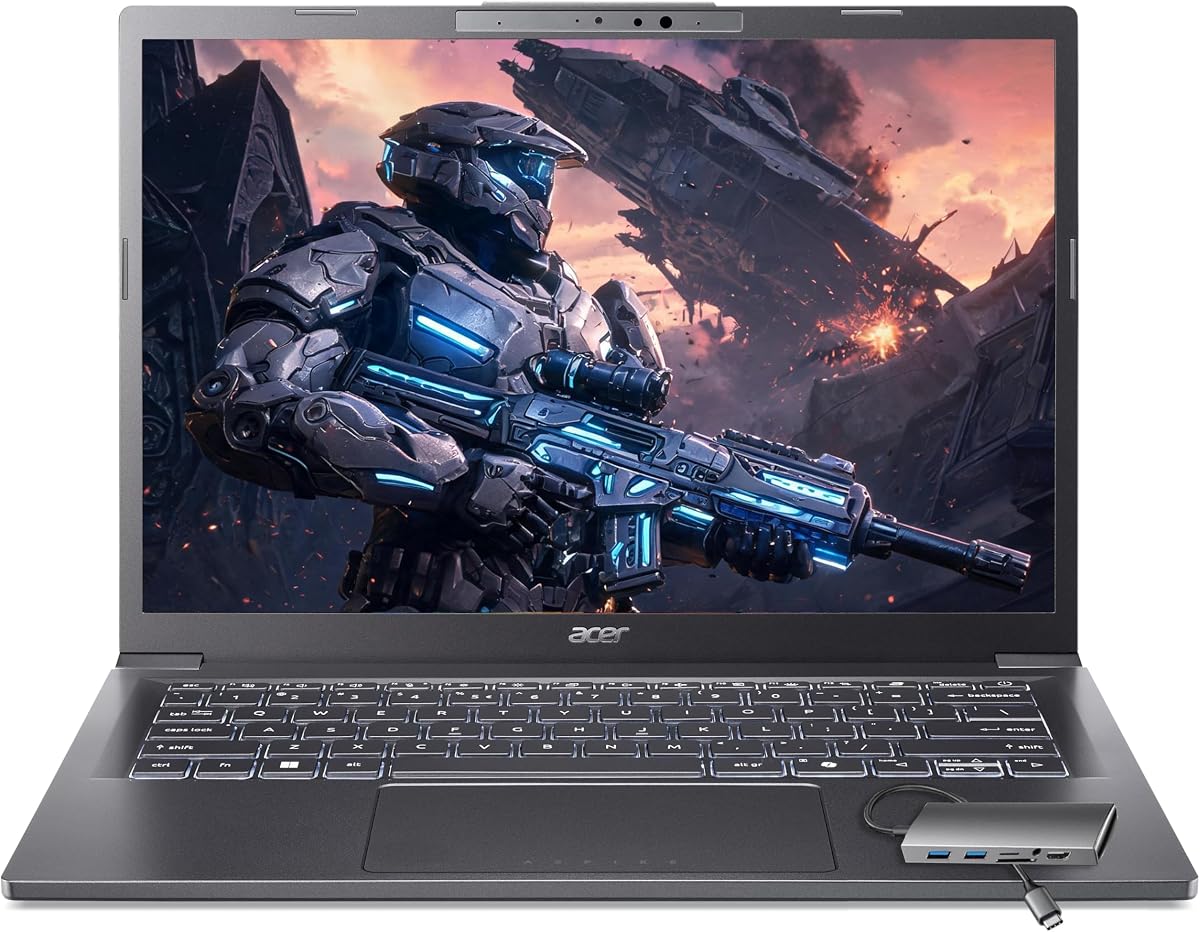
3. Acer 2026 Aspire AI - Best RAM & Library

Acer 2026 Aspire AI Laptop for Business & Creators | Intel Core Ultra 7 258V

Acer 2026 Aspire AI Laptop for Business & Creators | Intel Core Ultra 7 258V

9.6/10★★★★★

Where the Vivobook S 16 wins on color display and the MacBook Air wins on Retina refinement, the Acer Aspire AI wins on the other two pillars of this guide: RAM and storage. Thirty-two gigabytes of LPDDR5X plus a 2TB-class SSD is exactly what photographers ask for when catalogs swell with Smart Previews, local adjustment masks, and year-over-year archives they are not ready to cold-store. You can keep Lightroom Classic, Photoshop, a browser research stack, and cloud sync alive without watching the memory meter climb into the danger zone.

  • 14" FHD touchscreen with stylus-friendly photo retouch habits
  • 32GB LPDDR5X for catalogs, browsers, and local AI tools
  • 2TB PCIe SSD class capacity; Intel Arc 140V; Core Ultra 7 258V NPU
Check Price →
✓ Pros
  • 32GB LPDDR5X is photographer-grade multitasking headroom
  • 2TB-class SSD reduces the panic of mid-season disk full errors
  • Arc 140V accelerates Lightroom and light Premiere/DaVinci stills work
  • Touchscreen helps pinch-zoom culls and precise healing brush work
  • USB hub in the bundle eases SD, HDMI, and Ethernet at client sites
✕ Cons
  • FHD IPS is capable but not an OLED/DCI-P3 showcase panel
  • 14-inch canvas feels small for long desktop-style retouch marathons
  • LPDDR5X is soldered—you cannot add RAM later

Detailed review

The display is a 14-inch FHD touchscreen—honest, useful, and not the reason you buy this machine for color-critical print. It is bright enough for travel selects and, with touch, surprisingly nice for scrubbing a timeline of faces or using a stylus for healing and dodge/burn. If you deliver paid print or brand work, plan an external wide-gamut monitor at the desk and treat the laptop panel as a mobility canvas. That division of labor is normal for working photographers and plays to this Acer’s strengths.

Intel Core Ultra 7 258V with a dedicated NPU (47 TOPS) brings Copilot+ style local AI: background effects, AI photo assists, and privacy-friendly on-device features. Intel Arc 140V graphics with 8 Xe cores are called out for Lightroom acceleration and 1080p video editing—enough for many hybrid creators who cut short-form deliverables from stills shoots. It will not replace an RTX 5060 for massive Denoise batches, but it is a more balanced creator APU than entry N100 machines in this pack.

At roughly 3.09 pounds and 0.7 inches thin, the chassis is built for commuting between home office, coworking spaces, and client meetings. Long battery life claims support full workdays away from outlets. Wi-Fi 6E helps uploads to cloud galleries. The included USB hub with HDMI, USB-A, USB-C, SD card, and Ethernet is a photographer-friendly detail—card readers and wired venue networks show up more often than marketing decks admit.

Because LPDDR5X is soldered, the 32GB configuration is the one you want; there is no later upgrade path. That makes this listing attractive as a “buy once for memory” Windows ultrabook. Pair the 2TB drive with a disciplined folder scheme—Active, Delivered, Archive—and you can keep more seasons local than on a 512GB Air or a 256GB student HP.

Buy the Aspire AI when library size and multitasking RAM matter more than OLED gamut. Skip it if your first requirement is a reference-quality built-in panel or a discrete GPU for nightly GPU farms. As a RAM-and-storage workhorse with competent Arc graphics, it earns a top-three badge in this photo-editing set.

Touchscreen habits that speed photo culling

Use pinch-zoom on the FHD touchscreen during first-pass selects, then switch to a mouse or stylus for healing and frequency work. Touch is a cull accelerator, not a replacement for pressure-sensitive tablets if you do heavy portrait retouch.

Enable tablet-friendly workspaces in Photoshop if you lean on touch; keep classic modules for keyboard-driven Lightroom Develop.

When to add an external color display

If more than half your revenue is print, album, or brand color, budget a calibrated wide-gamut monitor and use the Acer as the compute-and-storage brain. Soft-proof on the external, travel with the laptop, and you get the best of both worlds without paying OLED portable premiums.

Check Price on Amazon →

We may earn a commission at no additional cost to you.

4. ASUS ROG Strix G16 (2025) - Best GPU Acceleration

ASUS ROG Strix G16 (2025) Gaming Laptop

ASUS ROG Strix G16 (2025) Gaming Laptop

9/10★★★★★

Photographers who bottleneck on GPU more than on gamut should look hard at the ROG Strix G16. The NVIDIA GeForce RTX 5060 Laptop GPU on Blackwell, with DLSS 4 and Max-Q technologies in the marketing stack, is the pack’s clearest answer for CUDA-accelerated Lightroom Denoise, Topaz-style enhancement, and After Effects or Premiere work that rides alongside stills. Color display is not why you buy this machine—the 16-inch FHD+ 165Hz panel with ACR film is tuned for smooth, contrasty entertainment and creation, not Pantone-lab soft proofing—but compute is a legitimate photo-editing pillar when your nights are batch queues.

  • 16" FHD+ 165Hz ACR film display for smooth creative scrubbing
  • 16GB DDR5-5600; 1TB Gen 4 SSD for active job storage
  • RTX 5060 Blackwell GPU with Intel Core i7-14650HX
Check Price →
✓ Pros
  • RTX 5060 transforms Denoise, AI masks, and export-heavy nights
  • 1TB Gen 4 SSD handles large active shoots with room for caches
  • Vapor chamber cooling sustains performance under long batches
  • 16:10 FHD+ gives more vertical room than old 16:9 game panels
  • Stealth Mode kills RGB when you edit in client-facing spaces
✕ Cons
  • FHD+ gaming panel is not a DCI-P3 OLED soft-proof display
  • 16GB RAM is the tightest part of an otherwise strong creator config
  • Gaming chassis weight and fans are less café-friendly than an Air

Detailed review

Sixteen gigabytes of DDR5-5600 is workable for many catalogs and frustrating for others. If you routinely run Photoshop with large files, Chrome, Slack, and a second catalog, you will feel RAM pressure sooner than on the 32GB Acer or Vivobook. Some ROG configurations are upgradeable; verify the exact G615JMR-AS74 internals before assuming a second SODIMM slot. Storage at 1TB Gen 4 is a strong active drive—keep archives on a desktop RAID or USB-C SSD.

The Intel Core i7-14650HX plus ROG’s vapor chamber, tri-fan design, and Conductonaut Extreme liquid metal story exists to sustain clocks when you lean on the GPU for an hour. That matters more for photographers than RGB light bars, though Stealth Mode helpfully turns lighting off for professional settings. Wi-Fi 7 helps large uploads after events.

Use this laptop as a processing engine paired with a calibrated external monitor at home. Grade and soft-proof on the external; use the internal FHD+ for gaming, scrubbing, and on-the-go review where absolute gamut is secondary. That hybrid setup is how many sports and wedding shooters already work.

Battery life will not match the MacBook Air or thin Aspire AI under load—discrete GPUs tax cells. Plan outlet access for heavy sessions. Fan noise under load is real; for silent café culls, prefer the Air or Vivobook S 16.

Pick the Strix when GPU acceleration and cooling matter more than OLED color. Skip it when you need a quiet, color-critical portable and rarely wait on Denoise. In a roundup scored on color, RAM, and storage, it places mid-pack on the first two and strong on storage-plus-GPU reality.

GPU-first photo stack recommendations

Enable GPU acceleration in Lightroom Classic and Photoshop, keep NVIDIA Studio drivers current, and batch Denoise overnight while you sleep. Export JPEGs for client galleries from the fast 1TB SSD, then archive RAWs externally.

If 16GB feels tight, close browsers during batch nights and keep only one major catalog open.

Color caveats on a gaming panel

Do not deliver print-critical skin tones from the stock FHD+ alone without checking a known monitor. Use the ACR film panel for speed and comfort, not as your only color authority.

Check Price on Amazon →

We may earn a commission at no additional cost to you.

5. Lenovo IdeaPad 15.6” FHD Touchscreen - Best Memory Monster

Lenovo IdeaPad 15.6” FHD Touchscreen Laptop

Lenovo IdeaPad 15.6” FHD Touchscreen Laptop

8.6/10★★★★☆

If RAM and storage are your pain points—and color display is something you already solve with an external monitor—the Lenovo IdeaPad configuration in this pack is almost comically generous. Up to 40GB of DDR4 and a 2TB SSD plus a 512GB docking-station storage set means you can keep sprawling catalogs, browser mood boards, Zoom, and accounting software open without the machine gasping. Photographers who grew up closing apps to free 8GB will feel spoiled.

  • 15.6" FHD anti-glare touchscreen for everyday photo review
  • Up to 40GB DDR4 RAM for massive multitasking headroom
  • 2TB SSD plus 512GB docking-station storage set; Iris Xe graphics
Check Price →
✓ Pros
  • 40GB-class RAM configuration is exceptional for catalog chaos
  • Combined storage set gives serious room for RAW seasons
  • FHD touchscreen and SD card reader suit photographer habits
  • Windows 11 Pro and Office included for small-business freelancers
  • Iris Xe handles light Develop and export without a discrete GPU
✕ Cons
  • FHD panel is not a wide-gamut creator display
  • Core i5 + Iris Xe trails Ultra 9 / RTX machines on heavy AI denoise
  • Bundle extras vary—confirm RAM/storage on the exact listing config

Detailed review

The 15.6-inch FHD anti-glare touchscreen is a solid everyday canvas for culling and client review, not a DCI-P3 proofing surface. Narrow bezels and 1920×1080 resolution are fine for social and web delivery; print-critical work still wants an external wide-gamut screen. Touch helps with quick zooms. An SD card reader on the I/O list is a practical win for camera-card dumps without hunting a dongle every time.

Compute is a 10-core Intel Core i5 with Intel Iris Xe Graphics and Windows 11 Pro. That stack is comfortable for Lightroom Classic Develop, Photoshop portrait retouch, and general business tasks. It is not the ROG Strix for overnight GPU farms. Export times will be acceptable for many freelancers and slow for high-volume sports shooters who denoise thousands of frames nightly.

Battery claims up to around ten hours with rapid charge support fit hybrid workdays. Ports include USB-C, dual USB-A, HDMI, headphone jack, and the SD reader—useful on location. Dolby Audio and a privacy shutter cover the meeting side of freelance photography businesses.

Bundle listings sometimes mix earphones and docking storage; always verify the Amazon title’s RAM and storage numbers match the unit in the cart. Third-party upgraded memory/storage configs are common in this segment. Run a quick health check on the SSD and confirm Windows sees the full RAM after unboxing.

Choose the IdeaPad when you want maximum multitasking memory and library space on a budget-friendly Windows chassis and already own or plan a better color monitor. Skip it if the laptop screen itself must be your color authority or you need RTX-class acceleration.

Making 40GB RAM useful for Lightroom

Raise Camera Raw cache size, keep Smart Previews for travel catalogs, and allow yourself more open apps—but still use one primary catalog per active job to avoid sync confusion. Extra RAM is not a substitute for clean catalog hygiene.

Park the docking-station storage as a secondary archive or scratch volume so the internal 2TB stays the fast working drive.

Versus the Acer Aspire AI

Acer offers newer Ultra 7 AI features, Arc graphics, and a thinner creator design with 32GB LPDDR5X. Lenovo answers with even more RAM and a larger combined storage story on a more conventional IdeaPad chassis. Your priority—AI NPU versus raw gigabytes—decides the winner.

Check Price on Amazon →

We may earn a commission at no additional cost to you.

6. Dell 15.6 Laptop - Best Everyday FHD Workhorse

Dell 15.6 Laptop

Dell 15.6 Laptop

9/10★★★★★

The Dell 15.6 configuration is the sensible middle of this photo-editing pack: enough CPU and RAM for real Lightroom work, an FHD IPS you can stare at for hours, and none of the OLED or RTX premiums. Photographers who edit web galleries, school sports, and family sessions will find it competent. Color specialists chasing DCI-P3 soft proofing on the laptop lid should look higher in the list.

  • 15.6" FHD 250-nit anti-glare IPS with ComfortView options
  • 16GB DDR5 for balanced Lightroom Classic day jobs
  • 512GB SSD; Intel Core i7-1355U with Intel UHD Graphics
Check Price →
✓ Pros
  • i7-1355U feels responsive for Develop and office multitasking
  • 16GB DDR5 is a sensible midpoint for serious hobbyists
  • Anti-glare IPS is easier on eyes during long cull sessions
  • ComfortView helps reduce blue-light fatigue on edit marathons
  • One-year onsite service language adds peace of mind
✕ Cons
  • 250-nit panel struggles in bright outdoor review
  • Intel UHD Graphics is not a creator GPU for heavy AI denoise
  • 512GB SSD fills fast once RAW seasons accumulate

Detailed review

Sixteen gigabytes of DDR5 paired with a 13th Gen Intel Core i7-1355U is a classic “get work done” combo. Export queues and AI masks are slower than on Ultra 9 or RTX machines, but Develop adjustments, batch renaming, and Photoshop retouch remain fluid when you keep catalogs tidy. The 512GB SSD is the storage pillar to watch—budget an external drive from day one if you shoot RAW.

The 250-nit anti-glare IPS prioritizes comfort over punch. Dell ComfortView software aims to reduce blue light during long sessions, which matters more than marketers admit when you cull for three hours. Lifted hinges and a numeric keypad support desk ergonomics. Wi-Fi 6 covers café uploads without Wi-Fi 7 bragging rights.

Intel UHD Graphics means GPU-accelerated denoise and heavy filters are not this Dell’s job. Pair it with patience, Smart Previews, and perhaps a desktop for seasonal batch nights. As a portable editor for already-selected images, it is pleasant.

Business-ready positioning and onsite service messaging help freelancers who cannot afford week-long shipping delays. Backlit keyboard helps night edits in hotel rooms after events.

Buy the Dell when you want a no-drama FHD Windows laptop with 16GB DDR5 for everyday photo jobs. Skip it when color gamut, 32GB RAM, or discrete GPU acceleration are non-negotiable.

Storage plan for a 512GB photo laptop

Keep only the current job and Smart Previews internal. Offload delivered RAWs weekly to a USB-C SSD and verify checksums or at least spot-open files before wiping cards. Five hundred twelve gigabytes disappears faster than you think once previews and caches grow.

Consider a second catalog strategy: travel catalog on the Dell, master catalog on a desktop.

Color expectations at 250 nits

Edit in controlled indoor light. Avoid final color decisions in sunlit rooms where the panel cannot compete. For print clients, soft-proof on a brighter calibrated display when possible.

Check Price on Amazon →

We may earn a commission at no additional cost to you.

7. ASUS Vivobook 14" FHD - Best Compact Windows Travel

ASUS Vivobook 14" FHD Business Laptop Computer

ASUS Vivobook 14" FHD Business Laptop Computer

8.8/10★★★★☆

The Vivobook 14 is the travel-first Windows pick when you want something smaller than the 16-inch OLED Vivobook S but still care about storage. A 1TB SSD at this size is the right priority for photographers who live out of a backpack: apps, a travel catalog, and a week of RAWs can coexist if you stay disciplined. Sixteen gigabytes of RAM in the listed config covers Lightroom and browser research; treat any “up to 40GB” marketing language as a ceiling to verify, not a guarantee.

  • 14" FHD IPS for portable selects and light Develop work
  • 16GB RAM listed (listing also mentions higher RAM options)
  • 1TB SSD with Intel Core 5 120U and Windows 11 Pro
Check Price →
✓ Pros
  • Fourteen-inch size disappears in a camera backpack side pocket
  • 1TB SSD is healthier storage than many thin business laptops
  • Windows 11 Pro suits freelancers who need Pro management features
  • Hub bundle eases SD and HDMI connections on the road
  • Privacy shutter and SonicMaster tuning help client calls
✕ Cons
  • FHD IPS is ordinary for color-critical grading
  • No discrete GPU for heavy AI enhancement batches
  • Confirm exact RAM—listings sometimes advertise upgrade ceilings

Detailed review

Intel Core 5 120U with up to 5GHz boost clocks delivers a snappy always-ready experience for culling and moderate retouch. Photo editing feels responsive for JPEGs and moderate RAW volumes; massive Denoise queues belong on a GPU machine at home. Windows 11 Pro is a quiet plus for small studios that use BitLocker or remote management habits.

The 14-inch FHD IPS maximizes entertainment and document clarity more than wide-gamut photography. Use it for selects on airplanes and hotel desks; reserve final color for a better panel when jobs pay for print. The included 8-in-1 hub reduces dongle anxiety—especially useful when venues still offer HDMI for slideshow proofs.

I/O on the laptop itself includes USB-C, USB-A, HDMI, and a combo jack with Wi-Fi 6. That is enough for card readers and backup drives. Camera privacy shutter is a small but welcome detail for consultants who also shoot corporate headshots and hop on calls between sessions.

Compared with the Acer Aspire AI, this Vivobook trades the Ultra 7 NPU story and 32GB LPDDR5X for a simpler Core 5 business build and a hub bundle. Compared with the OLED Vivobook S 16, it is lighter on color ambition and screen real estate. It exists for photographers who prioritize packability and a terabyte of fast storage over panel glory.

Buy it for compact Windows travel editing with healthy SSD space. Skip it if you need 32GB RAM, OLED gamut, or RTX acceleration as primary requirements.

Travel catalog strategy

Create a trip-specific Lightroom catalog on the 1TB drive, import with Smart Previews, and merge back to your master catalog at home. Do not treat the travel laptop as the only copy of irreplaceable RAWs—duplicate to a pocket SSD nightly.

The hub’s SD slot, if present in your bundle, should be tested before the first paid job so you are not debugging drivers in a hotel lobby.

Color honesty check

FHD business IPS panels vary unit to unit. If skin tones look off compared with your phone and your desktop, do not fight endless white-balance wars on the road—wait for a trusted display.

Check Price on Amazon →

We may earn a commission at no additional cost to you.

8. HP OmniBook 3 17.3 - Best Big-Screen Budget Canvas

HP OmniBook 3 17.3 inch Laptop PC

HP OmniBook 3 17.3 inch Laptop PC

9/10★★★★★

Sometimes photo editing is about seeing the whole frame with a client sitting beside you. The HP OmniBook 3’s 17.3-inch FHD IPS makes that social review easier than a 14-inch ultrabook. Wide viewing angles help when two people lean in to pick hero shots. For color-critical print, though, this remains a vibrant everyday panel—not a DCI-P3 OLED.

  • 17.3" FHD IPS with wide viewing angles for group photo review
  • 8GB LPDDR5—entry memory for light photo projects
  • 512GB SSD; Ryzen 3 30 with Radeon 610M graphics
Check Price →
✓ Pros
  • Huge 17.3-inch FHD canvas makes culling feel spacious
  • Long battery life claims suit students and casual editors
  • Radeon 610M handles casual photo edits better than older UHD chips
  • EPEAT Silver Climate+ and ENERGY STAR nods for eco-minded buyers
  • Wi-Fi 6 and Bluetooth 5.4 cover home and class networks
✕ Cons
  • 8GB RAM is the wrong ceiling for serious Lightroom Classic libraries
  • Not a wide-gamut color-critical panel
  • Chassis size fights true portability despite the big screen appeal

Detailed review

Eight gigabytes of LPDDR5 is the hard limit on ambition. HP’s copy suggests multitasking, streaming, and smooth photo edits, and that is fair for JPEG-heavy social work, school projects, and light Lightroom sessions with small catalogs. Serious RAW wedding catalogs will push you into slowdowns. If you know you need 32GB, look at the Acer or Vivobook S 16 instead of hoping 8GB will grow—it will not.

Storage at 512GB is acceptable for a student or hobbyist who offloads to a cloud or external drive. AMD Ryzen 3 30 with Radeon 610M is modern enough for casual Develop work and entertainment. It will not race an Ultra 9 or RTX 5060 through AI denoise.

Battery claims up to roughly fourteen hours with Fast Charge from 0 to 50% in about 45 minutes support long library days. FHD camera with HDR auto-switch and AI noise reduction help hybrid students who also edit club photography between classes. Copilot key access fits Windows 11 Home’s AI assistant habits.

Treat this machine as a big, affordable review canvas for lighter photo workloads. Pair it with external storage early. Do not expect it to be a studio color hub.

Buy the OmniBook 3 when screen size and value matter more than RAM headroom. Skip it for professional catalog work that needs 16GB minimum, preferably 32GB.

Who can succeed on 8GB

JPEG shooters, smartphone photographers moving to a first laptop, and students editing class assignments can succeed if they close browsers during exports. RAW event shooters should not start here.

Use cloud-connected workflows that keep local working sets small.

Big-screen review tips

Dim the room slightly so the FHD IPS does not fight reflections. Sit clients square to the screen to take advantage of the wide viewing angles when comparing selects.

Check Price on Amazon →

We may earn a commission at no additional cost to you.

9. HP Laptop Intel N100 - Best Starter Photo Laptop

HP Laptop Computer with Intel N100

HP Laptop Computer with Intel N100

8.4/10★★★★☆

Marketing language that mentions video and photo editing on an Intel N100 laptop should be read as “capable of learning and light projects,” not “studio replacement.” This HP is honest best as a starter: 15.6-inch FHD anti-glare for comfortable viewing, 8GB DDR4 for tabs and documents, and a 256GB SSD that demands external storage the moment you shoot RAW sports or weddings.

  • 15.6" FHD anti-glare display for comfortable study and light edits
  • 8GB DDR4 RAM for entry multitasking
  • 256GB PCIe SSD; Intel N100 with UHD Graphics
Check Price →
✓ Pros
  • Approachable entry point for students learning photo basics
  • FHD anti-glare panel beats HD+ for everyday image clarity
  • Lightweight ~3.64 lb design moves between class and home
  • Office 365 inclusion helps school and small-business paperwork
  • Full port set including USB-C, USB-A, HDMI, and RJ45 adapter
✕ Cons
  • N100 and 8GB are entry-level for RAW-heavy Lightroom Classic
  • 256GB SSD is too small for serious photo libraries without externals
  • Not a color-managed creator display

Detailed review

The N100’s four cores up to 3.4GHz handle homework, streaming, and lighter Affinity or Photoshop tasks. Lightroom Classic will open and edit, especially with Smart Previews, but patience is part of the deal. Intel UHD Graphics keeps everyday visuals smooth without creator GPU acceleration.

Color display expectations should stay modest. You get a usable FHD canvas for social crops and school yearbook edits, not a calibrated DCI-P3 surface. Teach good habits early: edit in consistent light, compare exports on a phone, and do not promise print-perfect color from the laptop alone.

Portability and connectivity are strengths for students: Wi-Fi 6, Bluetooth 5.3, USB-C, USB-A, HDMI, and a Type-C to RJ45 adapter for wired dorm networks. The True Vision 720p camera and dual-array mics cover online classes between editing sessions.

Lifetime Microsoft Office 365 in the listing helps the non-photo half of student life—essays, spreadsheets, presentations. Windows 11 Home is fine for learners. Fast charging and long battery claims support a full school day if you are not rendering constantly.

Buy this HP when budget and learning matter most and your photo files are modest. Skip it when clients, RAW volume, or color accuracy already define your work—step up to 16GB/512GB minimum, preferably the 32GB creator machines above.

Starter workflow that fits 256GB

Shoot JPEG+RAW only when you need RAW; otherwise JPEG keeps libraries smaller while you learn composition and Lightroom basics. Keep a 1TB external SSD as your “real” photo drive from week one.

Use Smart Previews if you adopt Lightroom Classic so Develop can happen without full RAWs always online.

When to upgrade from the N100

When exports regularly exceed coffee-break patience, catalogs stutter with 8GB, or you start selling prints, graduate to 16–32GB RAM and a stronger CPU/GPU. The N100 did its job if it taught you the craft without debt.

Check Price on Amazon →

We may earn a commission at no additional cost to you.

10. HP 17.3" Touchscreen - Best Large Touchscreen for Casual

HP 17.3" Touchscreen Laptop w/Microsoft 365

HP 17.3" Touchscreen Laptop w/Microsoft 365

8.8/10★★★★☆

This HP 17.3-inch touchscreen laptop closes the pack with a clear personality: maximal screen real estate and touch, minimal color-display and storage credentials for serious photography. The HD+ 1600×900 panel at about 60% NTSC and 250 nits is an immersive browser and streaming surface. It is the opposite of the Vivobook S 16’s 100% DCI-P3 OLED story. If your unique buying filter is color fidelity, this machine fails that test—and that honesty is the point of ranking it last for photo editing.

  • 17.3" HD+ touch 1600×900, ~60% NTSC—size over gamut
  • Memory listed around 8GB with up-to-16GB language—verify config
  • 128GB SSD base storage; Intel N100-class quad-core CPU
Check Price →
✓ Pros
  • Massive touchscreen makes casual photo browsing tactile and fun
  • Fingerprint reader and webcam shutter add everyday security comfort
  • Backlit keyboard with numpad suits desk-bound hobby editing
  • Microsoft 365 apps included for school and home documents
  • HP Fast Charge helps short turnarounds between sessions
✕ Cons
  • HD+ 60% NTSC is a weak color display for serious photo grading
  • 128GB SSD is essentially incompatible with RAW libraries alone
  • Entry CPU/RAM class limits Lightroom Classic ambition

Detailed review

Storage at 128GB is the second hard stop. After Windows, Office, and a handful of apps, you have little room for RAWs. An external drive is not optional; it is the product. Memory messaging in the listing references 8GB and up to 16GB DDR4 depending on configuration—verify the exact unit. Even at 16GB, the HD+ gamut and N100-class CPU keep this in casual territory.

Where it still charms is tactile review: a huge touchscreen for swiping through vacation albums, fingerprint login, a privacy shutter, and a lavender finish that does not pretend to be a stealth creator toolbox. Wi-Fi 6 and Bluetooth 5.4 keep it connected. Ports include USB-C (data-only on this config’s Type-C note), dual USB-A, HDMI 1.4b, and a combo jack.

Intel Quad-Core N-series performance suits web edits, Canva-to-JPEG workflows, and light Photos app adjustments. Professional Lightroom Classic pipelines belong on higher-ranked machines. Copilot key access is a convenience, not a color engine.

Weight starting around 4.6 pounds for a 17-inch device is reasonable for the class but still a desk-leaning machine. Fast Charge from 0 to 50% in about 45 minutes helps students. Microsoft 365 personal premium apps require subscription activation as noted in the listing.

Buy it for casual large-touch photo browsing and school life when you accept external storage and non-critical color. Skip it for any paid photography that depends on trustworthy skin tones or large local RAW libraries—the pack has clearer answers above.

If you already own this HP

Use it as a touch-friendly client review station fed by JPEGs from a better editing machine. Do not fight the 60% NTSC panel for print grades. Attach a 1TB or larger SSD immediately and keep the internal 128GB for apps only.

Consider a cheap color-capable portable monitor if you must edit on the go more seriously without replacing the laptop yet.

Why it still appears in a photo roundup

Buyers searching “photo editing” on Amazon often land on large touchscreen HPs. Ranking it with explicit color-display and storage warnings prevents expensive disappointment and clarifies what “best for photo editing” should mean in 2026: gamut, RAM, and drive space—not just a big screen.

Check Price on Amazon →

We may earn a commission at no additional cost to you.

Best Laptops for Photo Editing 2026: Color, RAM & Storage

How to choose a photo editing laptop in 2026: color display, RAM, and storage

Color display: gamut, resolution, and honesty

Start with the panel, not the CPU badge. For photo editing, ask whether the screen covers enough of sRGB or DCI-P3 to judge skin, product color, and landscape greens without constant surprises on phones and prints. OLED and Liquid Retina class panels in this pack—the Vivobook S 16 and MacBook Air M5—earn priority when the laptop itself is your grading surface. FHD IPS panels on the Dell, IdeaPad, and business Vivobook are fine daily drivers if you soft-proof elsewhere. HD+ 60% NTSC panels are review canvases, not color authorities.

Resolution and aspect ratio change how you edit. A 3K 16:10 OLED shows more timeline and module chrome than a 1080p 16:9 screen. A 17-inch HD+ panel can feel huge yet still show less useful detail than a sharp 14-inch Retina or 3K display. Brightness matters outdoors; 250-nit office panels wash out on porches. Anti-glare coatings help cull marathons under lights.

Calibration closes the loop. Even strong factory gamut claims drift. For paid print, use a hardware calibrator and soft-proofing. For web-first work, at least cross-check exports on a phone and a second computer before locking a signature look.

RAM: the real Lightroom bottleneck

Eight gigabytes is a learning tier. Sixteen gigabytes is the practical floor for many Lightroom Classic + browser days. Thirty-two gigabytes is the comfort zone when catalogs, Photoshop, messaging, and AI tools coexist. Forty-gigabyte class configs like the IdeaPad are luxuries for chaos multitaskers.

Unified memory on Apple Silicon behaves differently from DDR5 on Windows, but the planning question is the same: how many heavy apps stay open while you Develop? If the answer is “all of them,” prioritize the Acer Aspire AI or Vivobook S 16 over 8GB HPs.

Soldered LPDDR5X means buy the RAM you need now. Upgradeable SODIMM machines can grow later—verify before you assume a slot exists on gaming chassis.

Storage: working drive versus archive

RAW libraries punish small SSDs. One hundred twenty-eight and two hundred fifty-six gigabyte drives force external storage immediately. Five hundred twelve gigabytes works with weekly offloads. One to two terabytes keeps active seasons local—the Acer’s 2TB-class story and Lenovo’s multi-terabyte set shine here.

Speed matters as much as capacity. Gen 4 NVMe keeps catalog snappiness and cache writes healthier than dying hard drives of the past. Still, SSDs fill with previews and scratch files—schedule archive days.

Thunderbolt and USB-C ecosystem choices affect backup speed. MacBook Air and Vivobook S 16 make fast external SSDs pleasant. Always maintain at least one offline backup of irreplaceable shoots.

CPU, GPU, and AI: when compute outranks the panel

If your nights are Denoise and export farms, an RTX 5060 like the ROG Strix can save hours even if you grade on an external monitor. If your days are travel culls and client meetings, fanless M5 efficiency or a thin Ultra 7 Aspire may matter more.

NPUs and Copilot+/Apple Intelligence features help masking, writing, and on-device effects. They do not replace fundamental RAM and storage planning. Treat AI as a accelerator on top of a sound color-RAM-storage base.

Integrated Arc and Iris Xe graphics are enough for many stills photographers. Discrete GPUs become mandatory when plugins and video stills pipelines dominate your calendar.

Portability, thermals, and ports photographers forget

Card readers, HDMI for venue slideshows, and MagSafe or reliable USB-C charging matter on wedding days. Hubs included with Acer and Vivobook 14 listings reduce forgotten dongles.

Fans on gaming laptops sustain GPU loads but annoy quiet cull sessions. Air and thin AI PCs win libraries and hotel rooms. Match noise tolerance to when you edit.

Weight trades against screen size. A 17-inch OmniBook is a desk magnet; a 13-inch Air disappears in a sling. Be honest about where 80% of your editing happens.

Frequently Asked Questions

01

How much RAM do I really need for photo editing in 2026?

For Lightroom Classic with moderate catalogs and a browser, 16GB is the realistic minimum on both Windows DDR5 machines and Apple unified-memory Airs. If you keep Photoshop open with large retouch files, run AI denoise tools, and refuse to quit Slack or Chrome, 32GB becomes the comfort tier—exactly why the Vivobook S 16 and Acer Aspire AI rank so high in this guide. Eight gigabytes remains fine for JPEG learning and school projects, but it is the first bottleneck serious RAW shooters hit. More RAM does not fix a bad panel, yet it does stop the stutter that makes people blame their software unfairly.

02

Is an OLED or Liquid Retina display worth it for photographers?

Yes, if the laptop screen is where you make final color calls. The ASUS Vivobook S 16’s 3K OLED with 100% DCI-P3 coverage and the MacBook Air’s Liquid Retina with one-billion-color support make skin tones and gradients easier to trust than HD+ 60% NTSC panels. OLED contrast can look more glamorous than phone screens, so still spot-check social exports. If you already own a calibrated desktop monitor, you can save money on a plainer laptop panel and spend on RAM and SSD instead—as with the Acer Aspire AI strategy.

03

How big should my SSD be for RAW photo libraries?

Think in seasons, not marketing numbers. A single busy wedding weekend can chew tens of gigabytes before previews. A 128GB or 256GB drive fills after Windows and a few jobs. Five hundred twelve gigabytes works if you offload weekly. One terabyte is the happier active-drive size for many freelancers, and 2TB-class configs like the Acer Aspire AI reduce archive anxiety. Always keep a second copy of irreplaceable RAWs on an external SSD or NAS—laptop drives fail, get dropped, and get stolen.

04

Do I need a gaming laptop with an RTX GPU for Lightroom?

Only if GPU-accelerated features dominate your week. The ROG Strix G16’s RTX 5060 shines for Denoise, certain AI enhance tools, and hybrid photo/video work. Many stills photographers are happier with a color-strong OLED ultrabook or a quiet MacBook Air and a bit more patience on exports. If you grade on an external monitor anyway, a gaming chassis can be a smart processing engine—just do not confuse high refresh rates with color accuracy.

05

Can I photo edit professionally on 8GB of RAM?

You can deliver work, especially with Smart Previews, JPEG workflows, and ruthless app closing, but you will feel friction. The HP OmniBook 3 and N100 HP in this pack show that 8GB machines still sell for students and casual editors. Professionals who bill for speed and keep complex catalogs open should treat 16GB as the floor and 32GB as the target. Fighting memory pressure every session costs more in time than the upgrade difference.

06

MacBook Air versus Windows OLED creator laptop—which should photographers choose?

Choose the MacBook Air M5 when you want silent battery life, Liquid Retina color, and Apple ecosystem continuity, and you can live with 16GB unified memory and a 512GB working drive plus externals. Choose the Vivobook S 16 when you want a larger 3K OLED with DCI-P3 coverage, 32GB DDR5, and Windows-only plugins or habits. Both beat budget HD+ machines for color. Your existing catalog platform, plugin list, and whether you need 32GB today usually decide faster than brand loyalty.

07

Is a touchscreen useful for photo editing?

Touchscreens help with pinch-zoom culling, quick client review, and some stylus retouch—strengths of the Acer Aspire AI and Lenovo IdeaPad. Most precision healing and masking still feel better with a mouse, tablet, or trackpad gestures you already trust. Touch is a bonus, not a reason to accept a weak color gamut or tiny SSD. If you love stylus work, confirm pen compatibility rather than assuming every touchscreen is artist-ready.

08

What display specs matter most if I deliver prints?

Wide gamut coverage (sRGB completeness at minimum, DCI-P3 preferred for many modern cameras), decent brightness uniformity, and a calibration workflow matter more than 165Hz gaming refresh rates. Soft-proofing in Lightroom, understanding paper profiles, and verifying on a known monitor protect you when laptop panels exaggerate contrast. The Vivobook S 16 and MacBook Air are the pack’s best starting points; still plan calibration for paid print.

09

Should I buy a 17-inch laptop for photo editing?

Buy 17-inch machines for desk-bound review and shared selects, not because bigger automatically means better color. The HP OmniBook 3’s FHD IPS can be a pleasant family review canvas, while the HP 17.3 HD+ touch model proves that size without gamut or storage is a trap. Many professionals prefer 14–16-inch high-quality panels with an external monitor at home. Measure your bag and desk before falling for diagonal inches alone.

10

How do I balance color display, RAM, and storage on a budget?

Pick two pillars to nail on the laptop and fake the third externally if needed. Example: Acer Aspire AI for RAM and storage, plus a used calibrated monitor for color. Or MacBook Air for color and battery, plus a Thunderbolt SSD for library overflow. Avoid spending the whole budget on a huge weak HD+ screen with 128GB storage—that fails all three pillars at once. The checklist in this guide exists to stop that purchase.

Conclusion

The best laptop for photo editing in 2026 is the one that respects color display quality, RAM headroom, and storage reality in the proportions your work demands. In this pack, the ASUS Vivobook S 16 leads when the built-in panel must carry DCI-P3 grades; the MacBook Air M5 leads when Retina color, silence, and battery define your days; and the Acer Aspire AI leads when 32GB of memory and 2TB-class libraries matter more than OLED drama.

GPU-heavy shooters still have a clear path in the ROG Strix G16, while the Lenovo IdeaPad flexes outrageous RAM and storage for multitaskers who already own a better monitor. Midrange Dell and Vivobook 14 options cover honest everyday editing. The large HP machines at the bottom of the list serve casual and student roles if you accept their color and capacity limits.

Match the three pillars to your pipeline, verify the exact Amazon configuration, and keep an archive drive in the same bag as your card reader. Do that, and your next laptop will feel like a photographic instrument instead of a bottleneck.